




What's Happening?
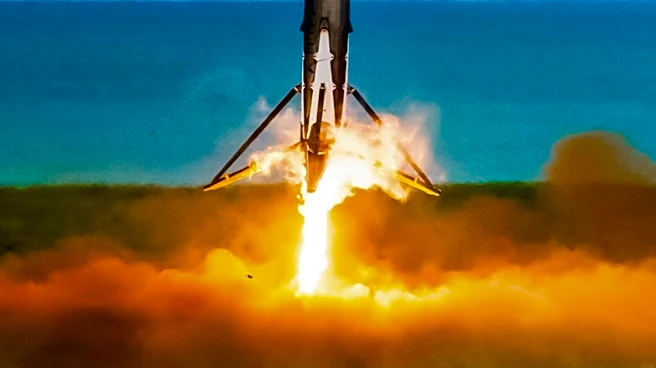
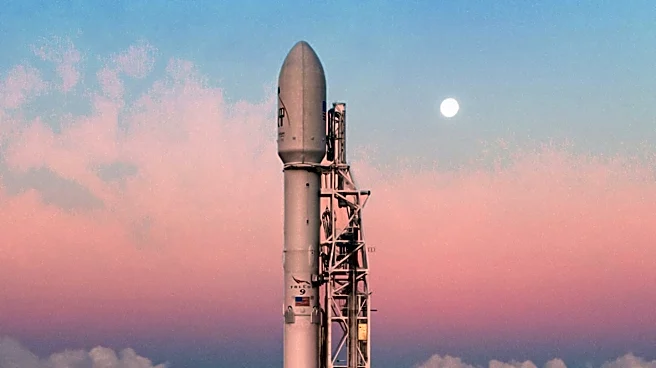
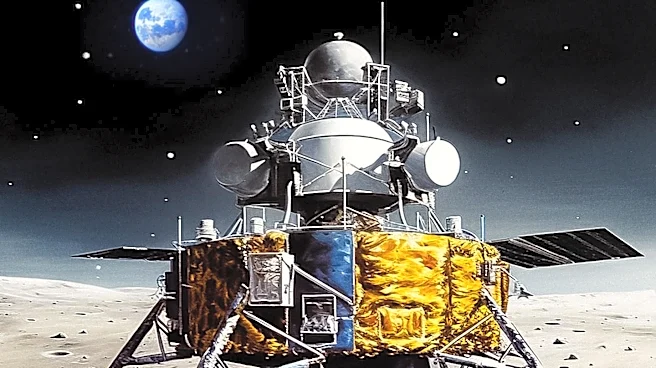
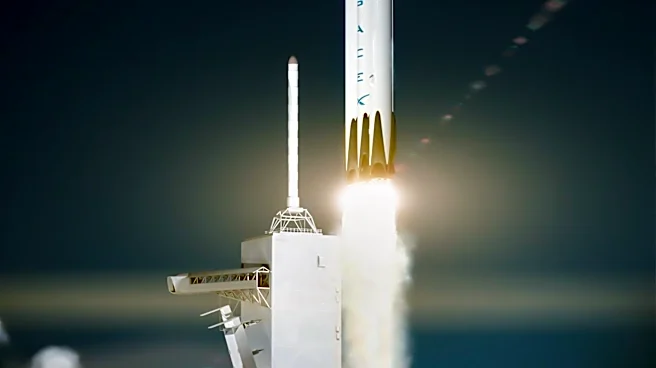
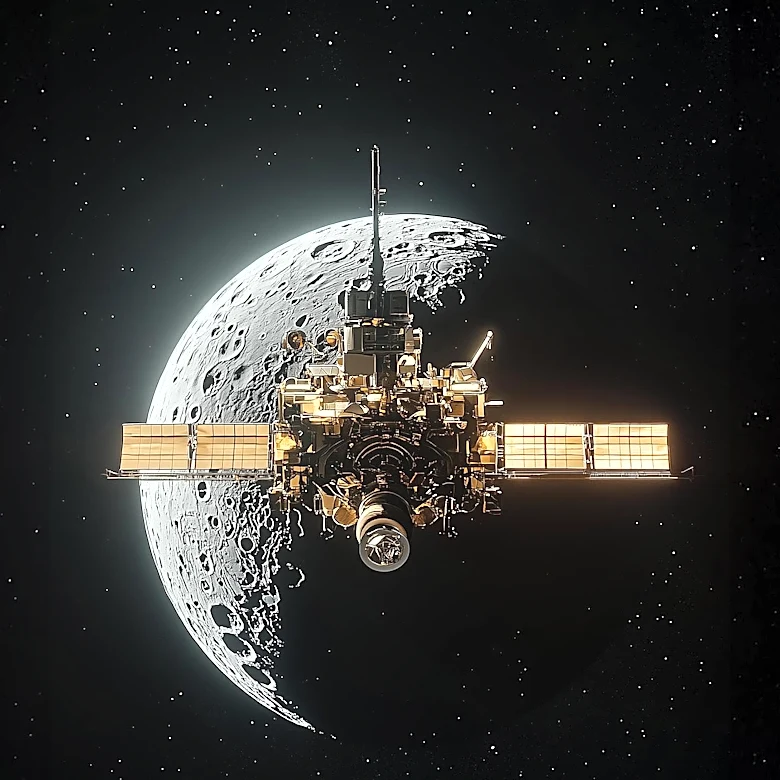
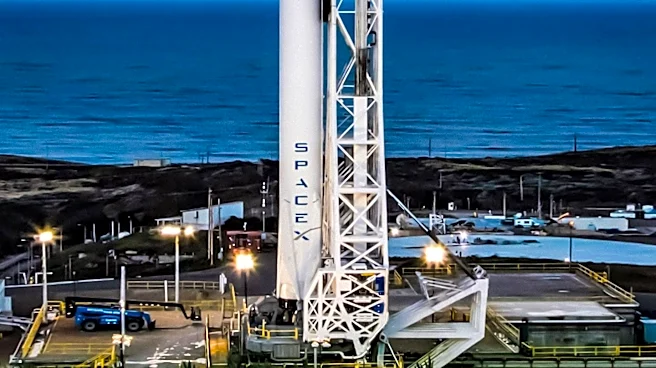
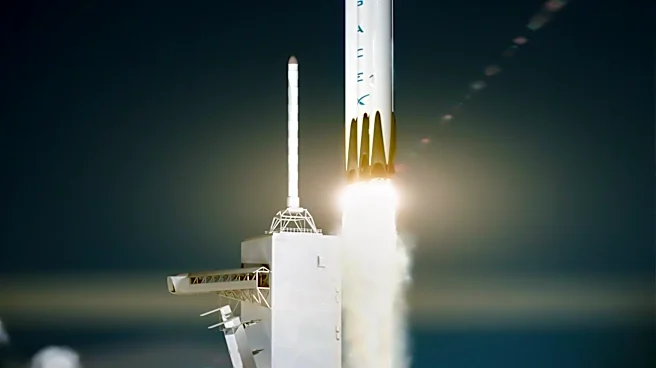
The upper stage of a SpaceX Falcon 9 rocket is set to crash into the moon, following its launch in January 2025 with two lunar landers. The Blue Ghost lander successfully reached the moon, while the Resilience lander failed. The rocket stage, initially
intended to fall away harmlessly, has instead remained in orbit, now on a collision course with the lunar surface. This event adds to the history of human-made objects impacting the moon, providing a unique opportunity for scientific study and raising concerns about space debris management.
Why It's Important?
The unplanned impact of the Falcon 9 upper stage on the moon highlights the complexities of space debris management, particularly as lunar exploration activities increase. This incident underscores the need for effective strategies to track and mitigate space debris, ensuring the safety of future missions and lunar infrastructure. The scientific community can leverage this event to study the lunar surface's response to impacts, which could inform the design of protective measures for astronauts and equipment in future missions.
What's Next?
In the aftermath of the impact, scientists will analyze data to better understand the lunar surface and the effects of artificial impacts. This could lead to advancements in space debris tracking and disposal techniques, as well as international discussions on regulatory frameworks for space debris management. As the Artemis program and other lunar initiatives progress, addressing these challenges will be crucial for sustainable exploration and the protection of lunar assets.