
What's Happening?
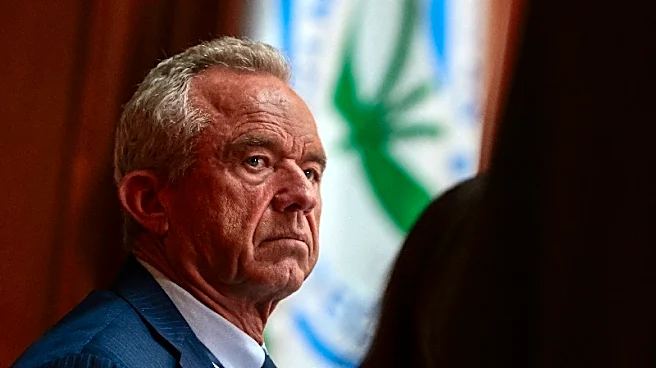
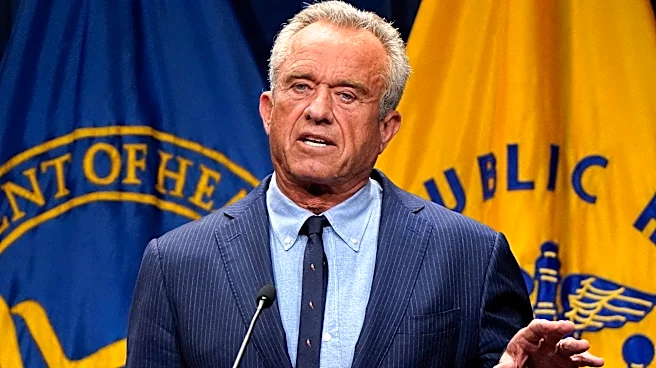
Health and Human Services Secretary Robert F. Kennedy Jr. has removed two key leaders from the U.S. Preventive Services Task Force (USPSTF), a panel that provides guidance on preventive healthcare services.
The dismissals of Vice Chairs John Wong, M.D., and Esa Davis, M.D., were communicated through letters sent by Kennedy on May 11. The decision has sparked concerns about potential political interference in the task force's operations. The USPSTF, established in 1984, is composed of 16 volunteer members who are experts in prevention and primary care. The task force's recommendations are crucial for federal policymakers and influence insurance coverage for preventive services. The recent dismissals leave the panel with only eight active members, as five others have not been replaced following the expiration of their terms. Kennedy is currently accepting nominations for the vacant positions, with a deadline set for May 23.
Why It's Important?
The removal of key leaders from the USPSTF by Secretary Kennedy has significant implications for the U.S. healthcare system. The task force's recommendations are integral to the Affordable Care Act's mandate for insurers to cover preventive services without cost-sharing. The dismissals have raised concerns among healthcare organizations about the potential for political influence to undermine the task force's independence and scientific rigor. The task force's ability to provide evidence-based recommendations is crucial for maintaining the quality and cost-effectiveness of preventive healthcare services. The lack of transparency regarding the reasons for the dismissals and the future composition of the task force has further fueled apprehension among healthcare stakeholders.
What's Next?
With the nomination deadline for new task force members approaching, the healthcare community is closely monitoring the situation. There is uncertainty about whether the new appointees will possess the necessary expertise to uphold the task force's standards. The outcome of this process could impact the credibility and effectiveness of the USPSTF's recommendations. Healthcare organizations are advocating for transparency and the preservation of the task force's scientific integrity. The situation also highlights the broader issue of political influence in healthcare policy, which could have long-term effects on public trust and the delivery of preventive services.