


What's Happening?
New research indicates that El Niño forecasts initiated during La Niña conditions are significantly more accurate up to a year in advance. The study, which analyzed 7,500 forecasts from nine different models, found a consistent pattern: predictions made
when the Pacific was in a La Niña phase were most successful in foretelling future El Niño events. Conversely, forecasts made during neutral conditions were often incorrect. This discovery suggests that La Niña has a stabilizing influence on climate models, making their long-range predictions more reliable. El Niño and La Niña are opposite phases of the El Niño–Southern Oscillation (ENSO), a natural climate phenomenon in the tropical Pacific that influences global weather patterns. While El Niño typically brings warmer global temperatures and altered weather, La Niña is characterized by cooler surface waters in the central and eastern tropical Pacific. The ability to predict El Niño events earlier could provide crucial lead time for communities to prepare for their impacts.
Why It's Important?
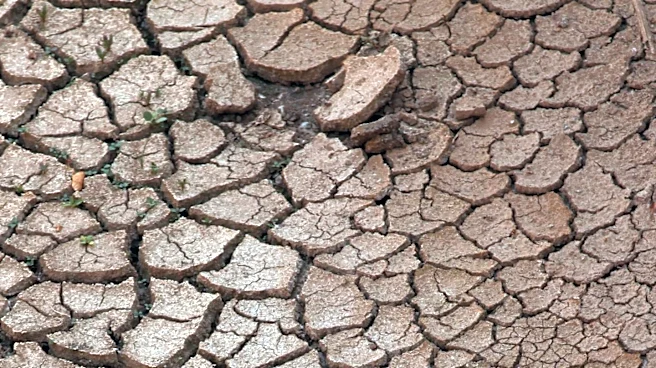
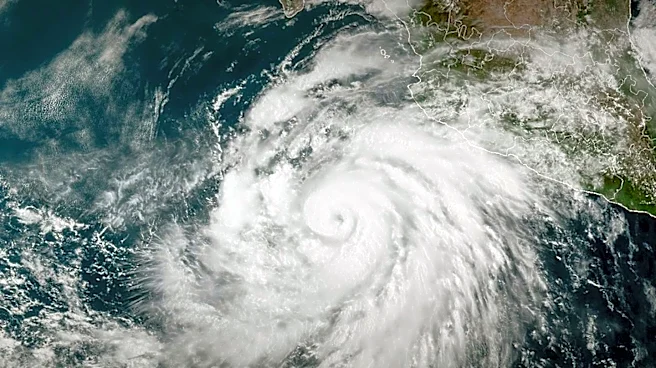
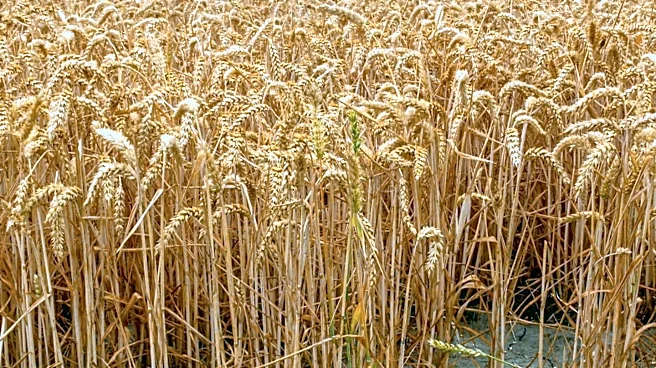
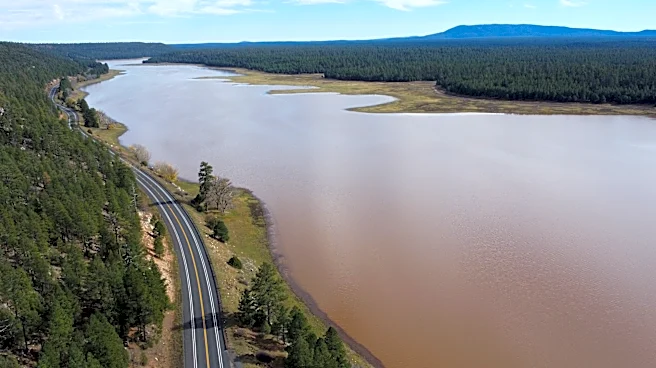
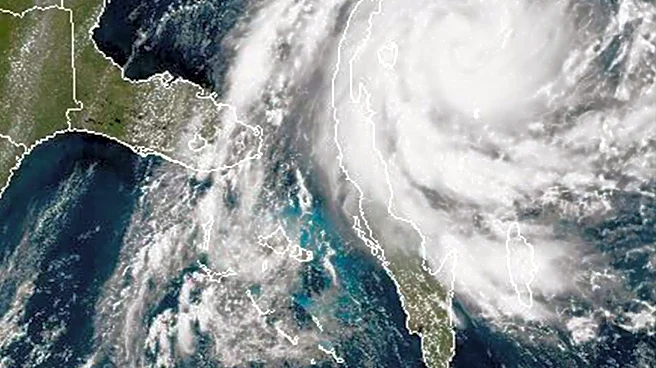
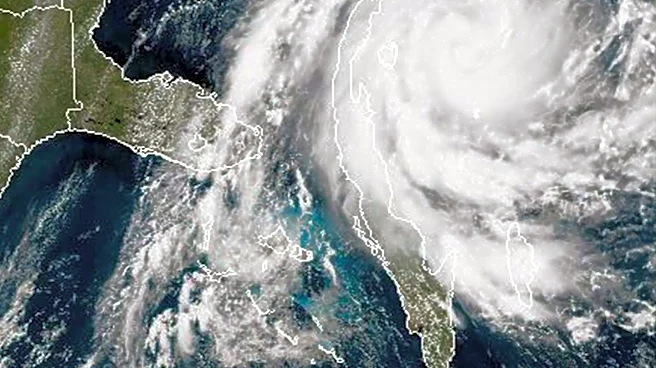
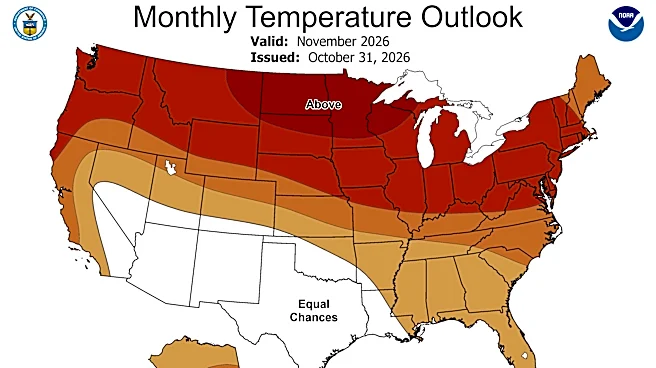
The improved predictability of El Niño events during La Niña years holds substantial importance for global preparedness and disaster mitigation. El Niño phenomena are known to cause significant disruptions, including floods, heatwaves, and intense hurricanes, as observed in recent events. Early and reliable forecasts, up to a year in advance, can provide governments, emergency responders, and vulnerable communities with critical time to implement preventative measures. This could include adjusting agricultural practices, reinforcing infrastructure against extreme weather, and developing public health strategies to cope with heat-related illnesses. For the U.S., this means better preparation for potential shifts in weather patterns, such as increased rainfall in California and the South, or altered hurricane activity. The economic implications are also significant, as industries like agriculture, insurance, and energy can better plan for potential climate-related challenges, reducing financial losses and enhancing resilience.
What's Next?
Further research is needed to fully translate these findings into practical applications. Scientists plan to investigate the specific ocean and atmospheric patterns that contribute to the enhanced model performance during La Niña events. Understanding these mechanisms will help distinguish between reliable and unreliable predictions in real-time forecasting. The goal is to develop clearer guidelines for interpreting early forecasts, allowing for more effective communication and action by stakeholders. This ongoing research will also explore how to best integrate these insights into existing forecasting systems to provide actionable intelligence. The scientific community will focus on refining models and developing tools that can leverage La Niña's stabilizing influence to issue more confident early warnings, ultimately aiming to protect communities from the adverse effects of future El Niño events.
Beyond the Headlines
This research delves into the complex interplay of chaotic systems and predictability in climate science. While weather forecasting is notoriously difficult beyond a week or two due to the 'butterfly effect,' oceanic phenomena like ENSO operate on slower timescales, offering longer prediction windows. The discovery that La Niña conditions reduce the chaotic sensitivity of El Niño predictions highlights a critical window of opportunity. This isn't just about better weather forecasts; it's about understanding the underlying stability within seemingly chaotic climate systems. It could lead to a paradigm shift in how long-range climate predictions are approached, moving beyond general probabilities to more confident, actionable warnings. The ethical implications involve ensuring that these advanced forecasting capabilities are equitably distributed and utilized, particularly in developing nations that are often most vulnerable to climate impacts, preventing a 'forecast gap' that could exacerbate existing inequalities.