




What's Happening?
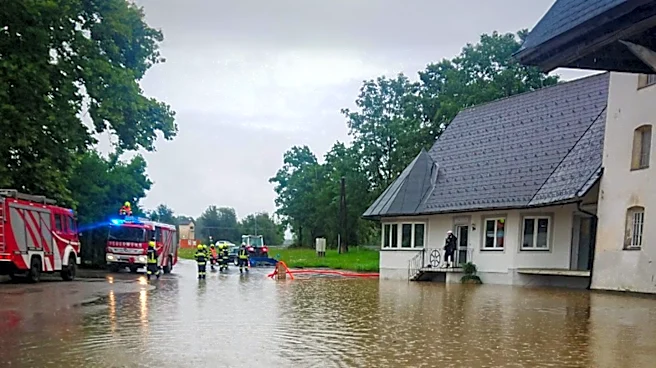
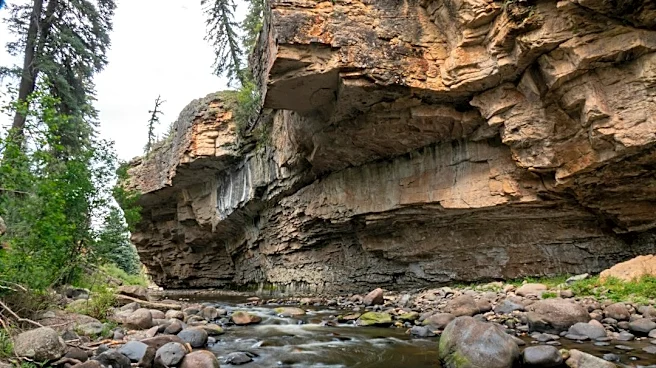
Matthew Martinez, a 60-year-old resident of Edith, Colorado, is grappling with an estimated $200,000 in losses after the Navajo River surged through his property twice in two weeks. Martinez, who has lived in a canyon on the Navajo River for most of his life,
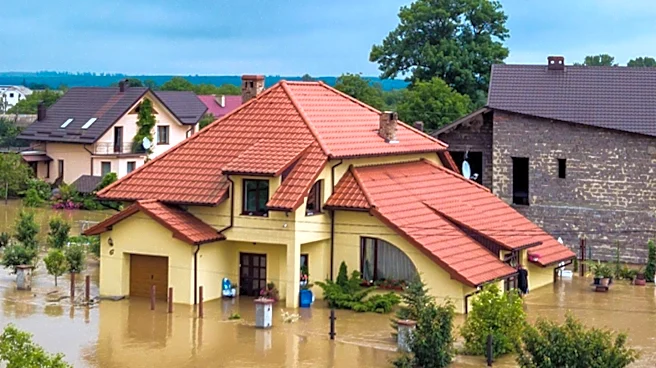
had never experienced severe flooding until recently. The floods, which also affected other areas in the Four Corners region including Flagstaff, Arizona; Pagosa Springs and Durango in Colorado; Farmington, New Mexico; Bluff, Utah; and parts of the Navajo Nation, caused significant damage to his home and outbuildings. His barn is damaged, a corral was swallowed by the river, and his house is covered in mud. Martinez, who was recovering from knee surgery at the time of the floods, did not have flood insurance because his property was too close to the water. He and his fiancée have been displaced, moving from a son's home to a hotel, and now to an Airbnb, with concerns about potential homelessness once his emergency voucher expires. Scientists attribute the increased likelihood and intensity of heavy rains in the Southern U.S. to a supercharged El Niño event.
Why It's Important?
Matthew Martinez's story exemplifies the devastating personal and financial impact of severe flooding, particularly for individuals without flood insurance. His estimated $200,000 in losses, coupled with the inability to secure flood insurance due to his property's location, highlights a critical gap in disaster preparedness and financial protection for many homeowners in high-risk areas. The displacement of Martinez and his fiancée, and their struggle to find stable housing, underscores the immediate humanitarian crisis that follows such events. The broader regional flooding, affecting multiple states and the Navajo Nation, points to a systemic vulnerability across the Four Corners area to extreme weather, potentially exacerbated by climate phenomena like El Niño. This situation raises questions about government support for uninsured victims and the long-term viability of living in flood-prone regions, especially as climate patterns become more unpredictable. The loss of topsoil on Martinez's land also indicates a significant ecological impact, affecting agricultural livelihoods and natural ecosystems.
What's Next?
Martinez is currently on a list for potential assistance and is awaiting options for recovery. He is considering asking family and friends for help with the cleanup, which he estimates will cost thousands of dollars just for debris removal. His immediate concern is securing stable housing as his emergency voucher is set to expire. The broader community in the Four Corners region will likely face ongoing challenges in recovery and rebuilding. Discussions about federal aid and long-term solutions for flood-prone areas, especially for those unable to obtain flood insurance, are anticipated. The scientific link to El Niño suggests that similar events could recur, necessitating enhanced regional flood mitigation strategies and community resilience planning.
Beyond the Headlines
Martinez's plight brings to the forefront the ethical and policy dilemmas surrounding flood insurance and disaster relief in a changing climate. His inability to obtain flood insurance due to his property's proximity to the river reveals a systemic issue where those most at risk are often least protected. This situation could spark broader conversations about reforming flood insurance programs, potentially including government-backed options for high-risk properties or relocation assistance. The emotional toll of losing one's home and livelihood, as expressed by Martinez's tears and his worry that 'normal might not ever be normal again,' highlights the profound psychological impact of climate-related disasters. The flooding, while ending a drought, also caused significant ecological damage by washing away topsoil, illustrating the complex and often contradictory effects of extreme weather on natural landscapes and agricultural practices. This event serves as a poignant reminder of the human cost of environmental shifts and the urgent need for comprehensive, equitable solutions.