



What's Happening?
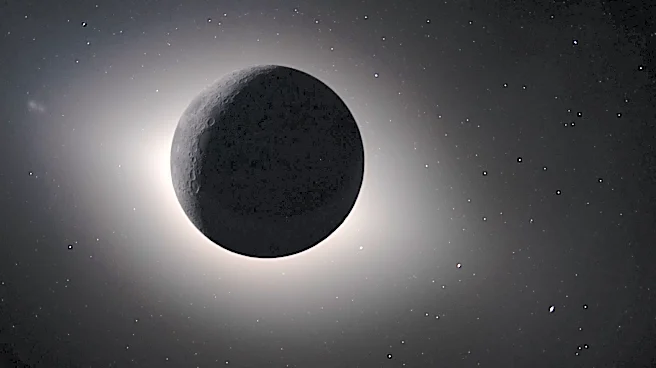
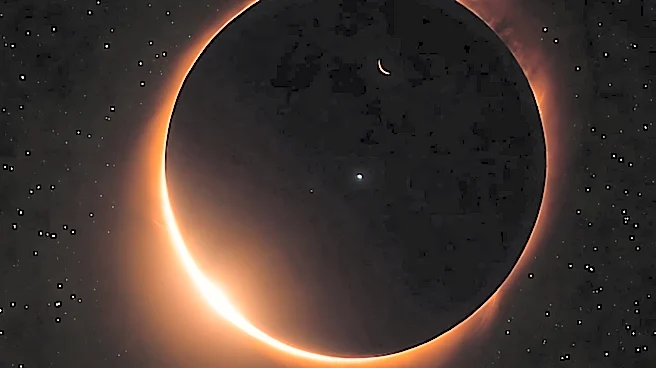
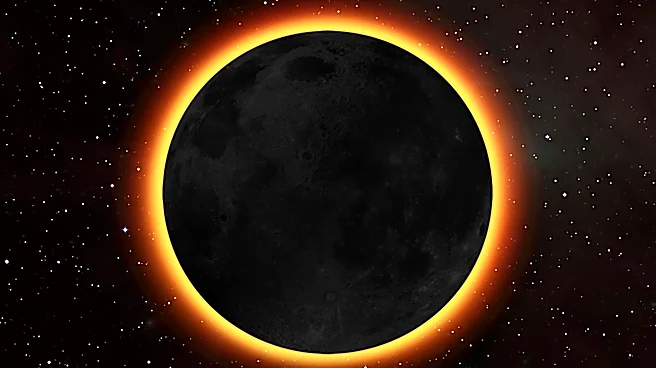
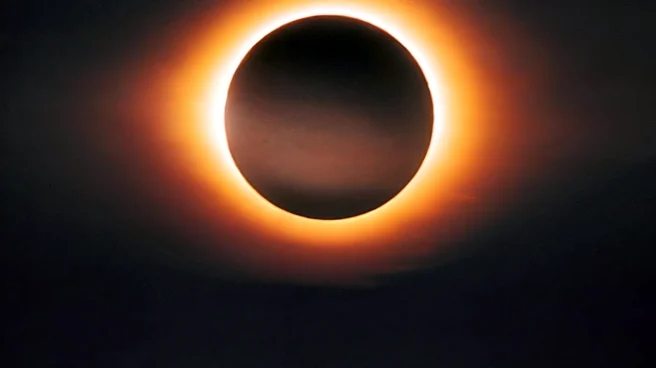
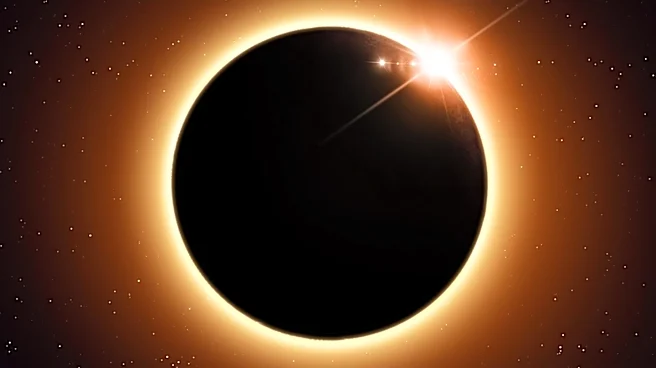
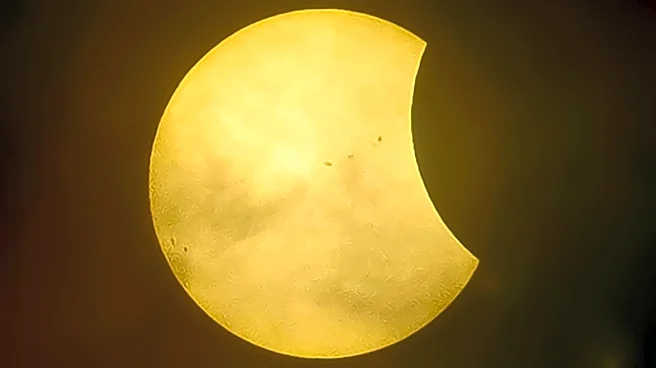
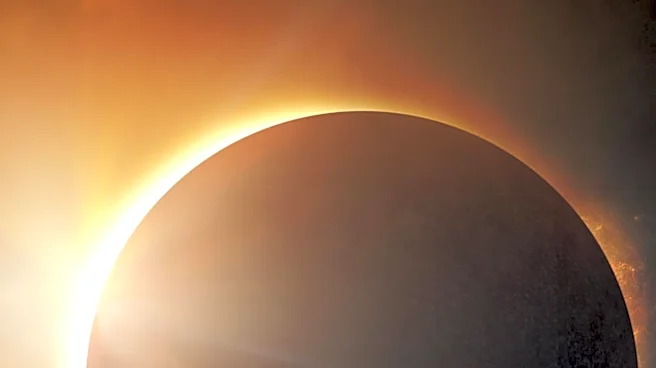
In August 2026, two significant eclipses will occur, providing unique viewing opportunities for astronomers and the public. The first event is a total solar eclipse on August 12, visible in the northern hemisphere. The path of totality will pass through
sparsely populated areas of eastern Greenland and the far western edge of Iceland, with Spain being the most populated region to experience totality. The second event is a partial lunar eclipse on August 27-28, visible across the Americas, including eastern and central Canada, the US, Mexico, and parts of Central and South America. This lunar eclipse will see up to 96% of the lunar disk in Earth's shadow, offering a dramatic view.
Why It's Important?
These eclipses provide valuable opportunities for scientific observation and public engagement with astronomy. The solar eclipse, in particular, allows scientists to study the sun's corona and other solar phenomena that are otherwise obscured by the sun's brightness. For the public, these events foster interest in astronomy and science education, as they are rare occurrences that captivate global attention. The lunar eclipse, while less scientifically significant, still offers a chance to observe the dynamics of celestial bodies and their interactions.
What's Next?
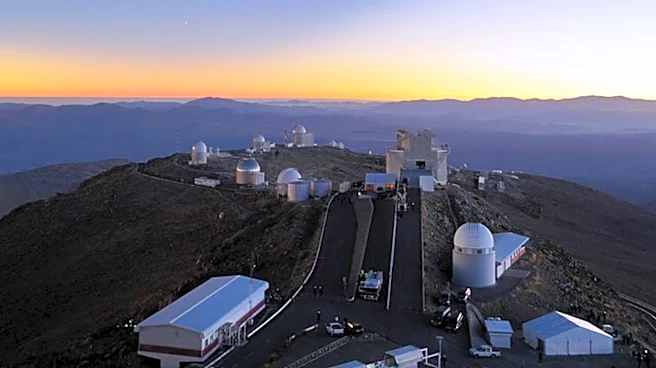
As the dates approach, astronomers and enthusiasts will prepare for these events by setting up observation sites and ensuring proper equipment is available for safe viewing. Educational institutions and science organizations may host events to engage the public and provide educational resources. Additionally, scientists will plan specific studies to maximize the data collected during these eclipses, contributing to ongoing research in solar and lunar sciences.