







What's Happening?
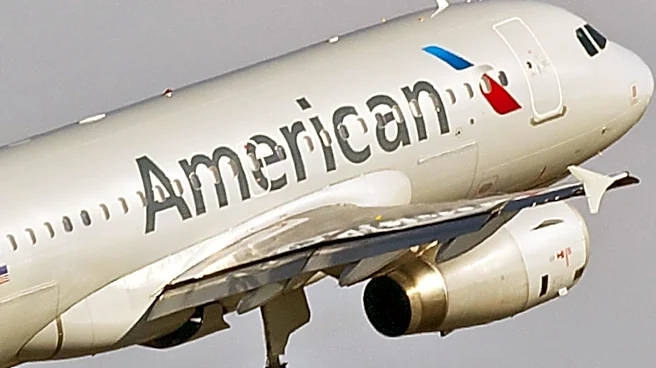
An American Airlines flight experienced a laptop fire during its landing sequence at Dallas Fort Worth International Airport on Friday, August 21. Flight 2398, an Airbus A321 carrying 133 passengers, departed from Hartsfield-Jackson International Airport in Atlanta
and landed safely around 8 p.m. ET. The incident involved smoke emanating from a passenger's device. Emergency personnel met the aircraft upon arrival at the gate. One passenger received medical attention on-site and was subsequently released. The pilot initially reported concerns to air traffic controllers about four to five passengers potentially being burned by the laptop, which was contained mid-aircraft. American Airlines commended its crew for their professional and swift response in containing the device. Federal Aviation Administration (FAA) spokesperson Cassandra Nolan confirmed that flight attendants used a thermal containment bag to manage the fire. The FAA has launched an investigation into the incident.
Why It's Important?
This incident highlights the ongoing safety concerns associated with lithium-ion batteries in portable electronic devices on commercial flights. The potential for these batteries to overheat and ignite poses a significant risk to passenger safety and flight operations. The quick response by the flight crew and the use of a thermal containment bag were crucial in preventing a more severe outcome, underscoring the importance of crew training and onboard safety equipment. The FAA's investigation will likely contribute to further understanding the circumstances of this specific event and could influence future airline safety protocols or regulations regarding electronic devices. With the increasing number of personal electronic devices carried by passengers, such incidents, though relatively rare, serve as a reminder of the inherent risks and the need for continuous vigilance and effective emergency procedures within the aviation industry.
What's Next?
The Federal Aviation Administration (FAA) is currently investigating the laptop fire incident on American Airlines flight 2398. This investigation will aim to determine the exact cause of the battery malfunction and assess the effectiveness of the crew's response. Depending on the findings, the FAA may issue new safety recommendations or regulations concerning the handling and storage of lithium-ion battery-powered devices on aircraft. American Airlines will likely conduct its own internal review to evaluate its procedures and crew training. Passengers and the broader public can expect updates from the FAA as the investigation progresses. This incident may also prompt airlines to reinforce existing guidelines for passengers regarding the safe use and storage of electronic devices during flights, potentially including more prominent warnings or instructions about reporting overheating devices to cabin crew immediately.
Beyond the Headlines
The recurring issue of lithium battery incidents on flights points to a broader challenge for the aviation industry: balancing passenger convenience with safety in an era of pervasive personal electronics. Through July 2026, the FAA has recorded 55 lithium battery incidents involving passengers during flights, in addition to three involving cargo. This trend suggests that while individual incidents are contained, the cumulative risk is growing. The long-term implications could include stricter regulations on the types of devices allowed in cabins, limitations on battery size, or even advanced fire suppression systems specifically designed for lithium battery fires. Furthermore, it raises questions about the manufacturing standards and longevity of these batteries, especially as devices age. The industry may need to explore innovative solutions to mitigate these risks, potentially involving new battery technologies or enhanced detection systems to prevent such incidents before they escalate.