



What's Happening?
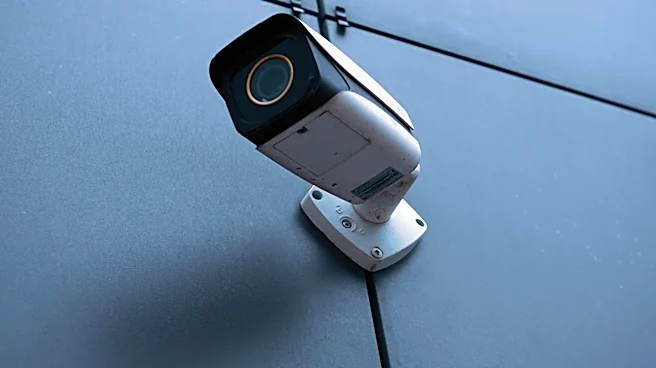
Adam Heimerman, an independent candidate running for Congress in Tennessee's 2nd Congressional District, appeared in court on charges of vandalism. Heimerman is accused of using a shotgun to destroy four Flock cameras, which are automated license plate
readers, across Blount County between July 14 and July 22. The Blount County Sheriff's Office conducted the investigation leading to his arrest. During a brief court appearance, the judge rescheduled the case for September 9, emphasizing that Heimerman's attendance is mandatory. Heimerman is competing against Republican incumbent Tim Burchett, Democrat Michaela Barnett, and another independent candidate, Bruce Fine. Notably, Burchett has introduced federal legislation aimed at restricting funding for Flock cameras, the same technology Heimerman allegedly targeted.
Why It's Important?
The charges against Heimerman highlight a contentious issue surrounding the use of surveillance technology, such as Flock cameras, which are designed to capture license plate data for law enforcement purposes. The case underscores the ongoing debate over privacy and security, as well as the role of technology in public safety. Heimerman's actions and the subsequent legal proceedings could influence public opinion and policy regarding surveillance technology. Additionally, the incident may impact Heimerman's candidacy and the dynamics of the congressional race, particularly given that his opponent, Tim Burchett, has taken a legislative stance on the issue. The outcome of this case could have broader implications for how similar technologies are perceived and regulated in the future.
What's Next?
Heimerman is scheduled to return to court on September 9, where the case will continue to unfold. The legal proceedings will likely attract attention from both the public and political figures, given the implications for privacy and surveillance technology. Depending on the outcome, there could be increased scrutiny on the use of Flock cameras and similar technologies, potentially leading to legislative or regulatory changes. Political opponents and stakeholders may use the case to further their positions on surveillance and privacy issues, influencing the broader discourse on technology and civil liberties.