








What's Happening?
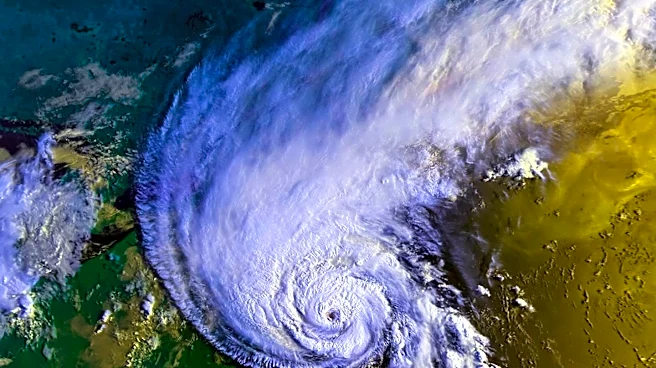
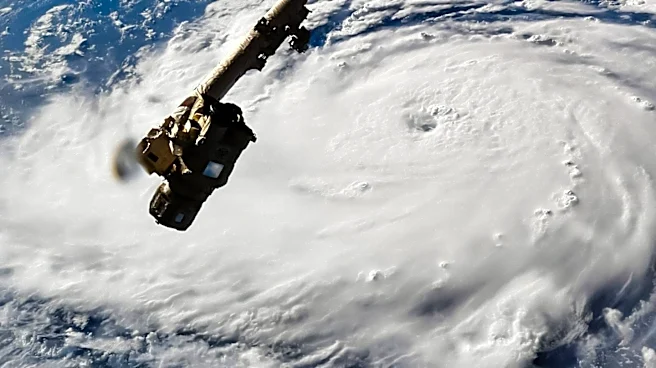
Meteorologists have confirmed the onset of the El Niño weather phenomenon, which is expected to significantly impact global agriculture. El Niño events, characterized by unusually warm Pacific Ocean waters, influence global rainfall patterns and temperatures.
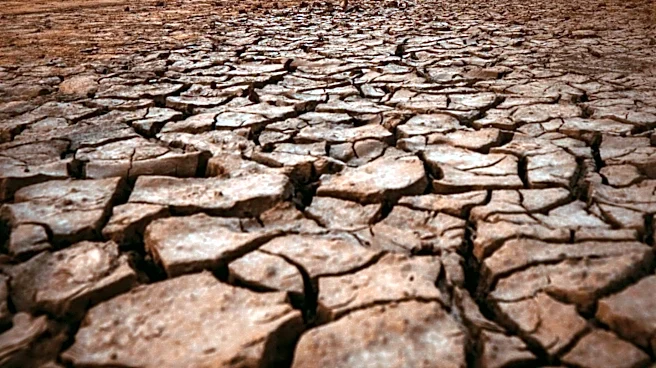
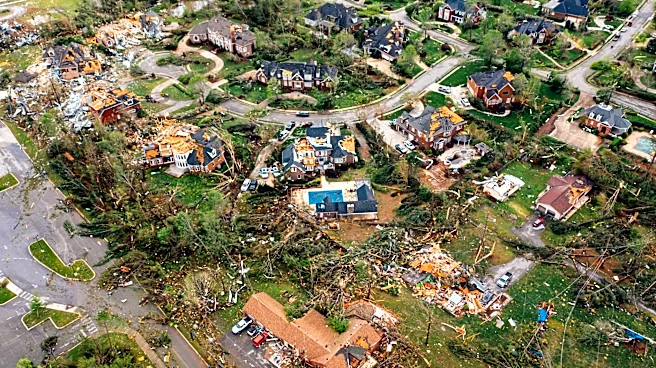
This year's El Niño could be particularly strong, posing risks to regions already facing food insecurity. The U.N. Food and Agriculture Organization and the World Food Programme have issued a joint appeal for over $200 million to support 8.8 million people in high-risk areas. Historically, El Niño has caused severe weather disruptions, such as floods and droughts, affecting millions and triggering substantial humanitarian aid requests.
Why It's Important?
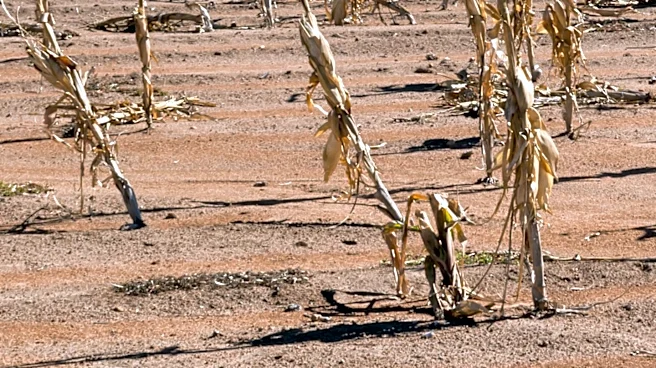
The current El Niño event is occurring amidst a backdrop of global economic challenges, including trade wars and high energy prices, which have already strained agricultural sectors worldwide. The phenomenon's impact is expected to vary by region, potentially exacerbating food insecurity in vulnerable areas like southern Africa, Central America, and parts of Asia. While some regions may benefit from improved crop yields, others could face significant agricultural setbacks, leading to increased food prices and humanitarian needs. The situation underscores the importance of international trade in mitigating food shortages and highlights the need for coordinated global responses to climate-related challenges.
What's Next?
As El Niño progresses, aid agencies and governments will need to monitor its impacts closely, particularly in regions with high food insecurity. The focus will be on ensuring adequate food supplies through trade and aid to prevent crises. The agricultural sector must prepare for potential disruptions, and policymakers may need to adjust strategies to support affected farmers and communities. The international community's response will be crucial in addressing the humanitarian and economic challenges posed by this weather phenomenon.
Beyond the Headlines
El Niño's effects extend beyond immediate agricultural impacts, potentially influencing global food security and economic stability. The phenomenon highlights the interconnectedness of climate, agriculture, and geopolitics, as weather-related disruptions can exacerbate existing tensions and resource scarcities. Long-term, this event may prompt renewed discussions on climate adaptation strategies and the need for resilient agricultural systems capable of withstanding such shocks.