








What's Happening?
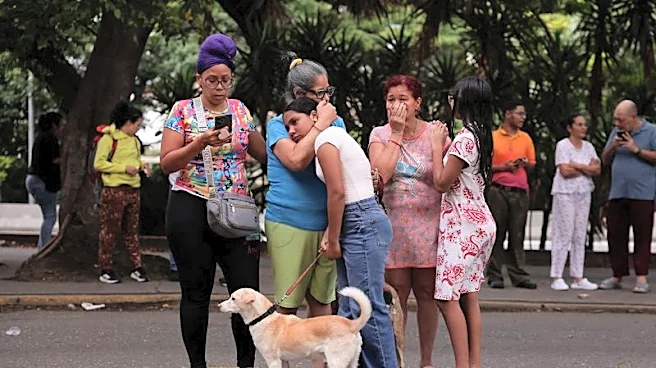
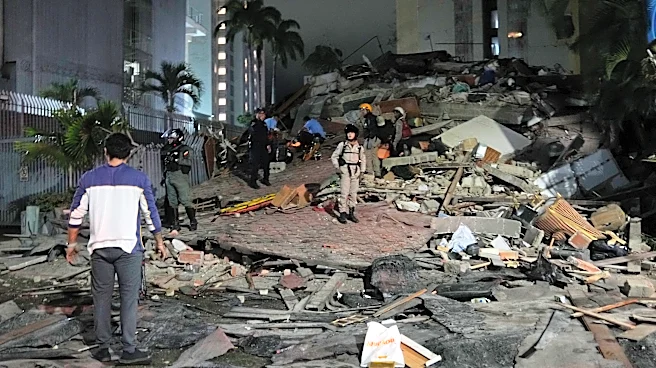
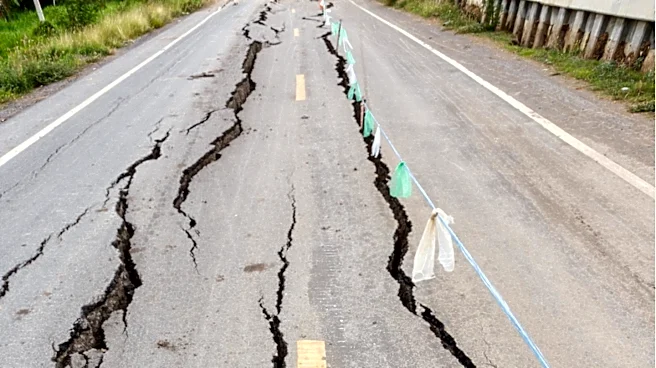
Two massive earthquakes struck Venezuela, causing significant destruction and loss of life. The earthquakes, with magnitudes of 7.2 and 7.5, hit within seconds of each other, leading to the collapse of numerous buildings in Caracas and surrounding areas.
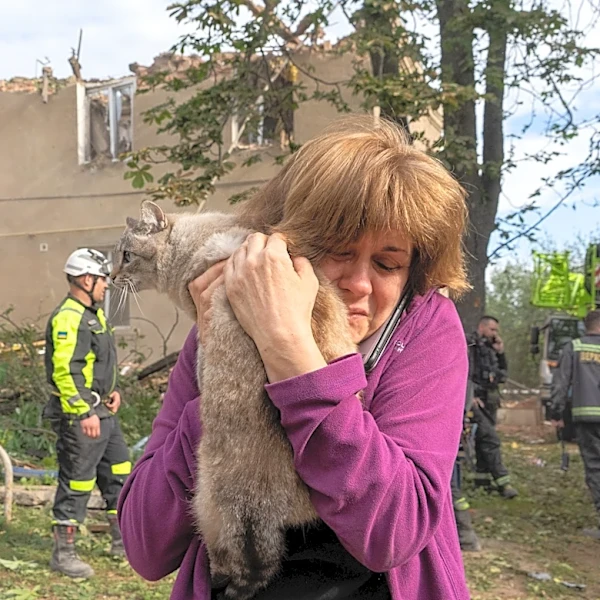
At least 32 people have died, and over 700 have been injured, with these numbers expected to rise. The destruction primarily involved non-ductile concrete buildings, a construction type also found in California. These buildings are particularly vulnerable to collapse during earthquakes due to insufficient steel reinforcement. The U.S. Geological Survey has identified such structures as highly dangerous during seismic events.
Why It's Important?
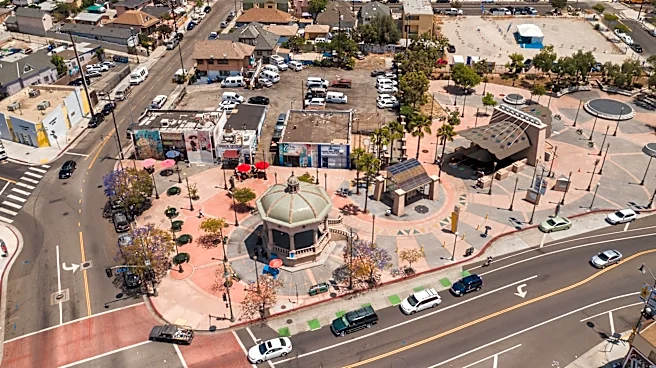
The devastation in Venezuela serves as a critical warning for California, which shares similar seismic vulnerabilities. Many older buildings in California, particularly those constructed before modern building codes were established, are at risk of collapse in a major earthquake. Despite improvements in building standards, many structures have not been retrofitted to withstand significant seismic activity. The potential for a similar disaster in California could result in substantial loss of life and economic damage, highlighting the urgent need for retrofitting and updating building codes to prevent such outcomes.
What's Next?
California faces the challenge of retrofitting vulnerable buildings to prevent catastrophic damage in the event of a major earthquake. Local governments have begun implementing measures to address these risks, but progress is slow, and many buildings remain unprotected. The state offers grants to assist with retrofitting costs, but more comprehensive policies and enforcement are needed. The recent events in Venezuela may prompt renewed efforts to accelerate these initiatives and ensure that California is better prepared for future seismic events.
Beyond the Headlines
The earthquakes in Venezuela also underscore the broader issue of global seismic safety and the need for international cooperation in improving building standards. Corruption, inadequate enforcement of building codes, and shoddy construction practices contribute to the vulnerability of structures worldwide. Addressing these issues requires a concerted effort from governments, engineers, and the construction industry to prioritize safety and resilience in urban planning and development.