





What's Happening?
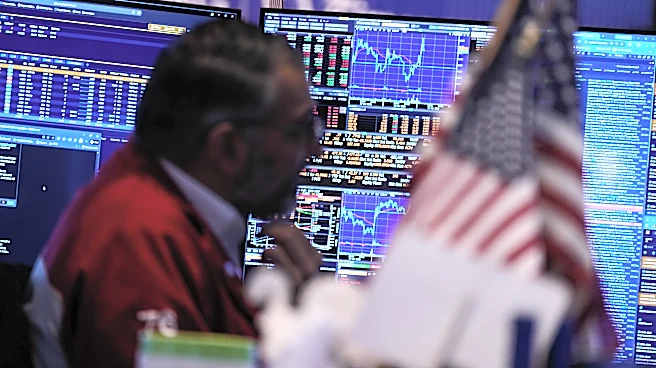
Canada's main stock index, the S&P/TSX Composite Index, showed little change in trading as investors processed news of a potential ceasefire between the U.S. and Iran. The proposed ceasefire, brokered by Pakistan, suggests an immediate halt to hostilities
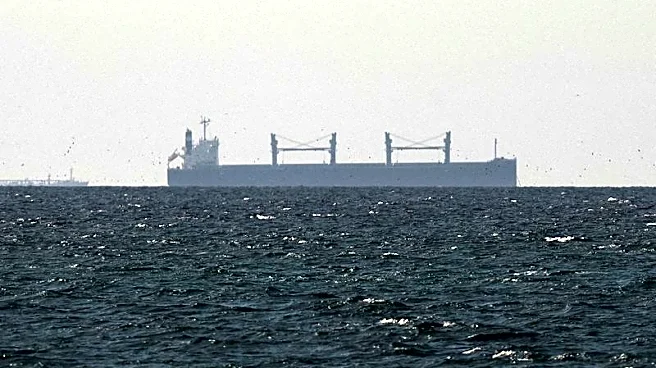
followed by peace talks to be concluded within 15 to 20 days. Despite this, investor sentiment remains cautious due to statements from a senior Iranian official indicating Tehran's reluctance to reopen the Strait of Hormuz under a temporary arrangement. The uncertainty surrounding the ceasefire talks has led to volatility in the markets, with mixed performances across various sectors.
Why It's Important?
The potential ceasefire between the U.S. and Iran could have significant implications for global markets, particularly in the energy sector. The Strait of Hormuz is a critical chokepoint for global oil shipments, and any developments affecting its status can influence oil prices and energy stocks. The cautious investor sentiment reflects the broader uncertainty in international relations and economic stability. The outcome of these talks could impact investment strategies, particularly in sectors sensitive to geopolitical tensions, such as energy and defense. The situation underscores the interconnectedness of global markets and the influence of geopolitical events on economic performance.
What's Next?
Investors and market analysts will be closely monitoring the progress of the ceasefire talks and any official announcements from the involved parties. President Trump's upcoming press conference may provide further insights into the U.S. stance and potential developments. The response from Iran and its willingness to engage in negotiations will be pivotal. Market volatility is expected to continue until more clarity is achieved regarding the ceasefire and its implications for global trade and security. Stakeholders will be assessing the potential impacts on oil prices and related industries.