






What's Happening?
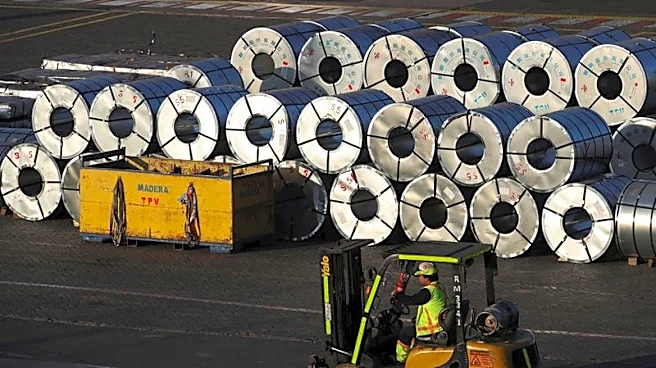
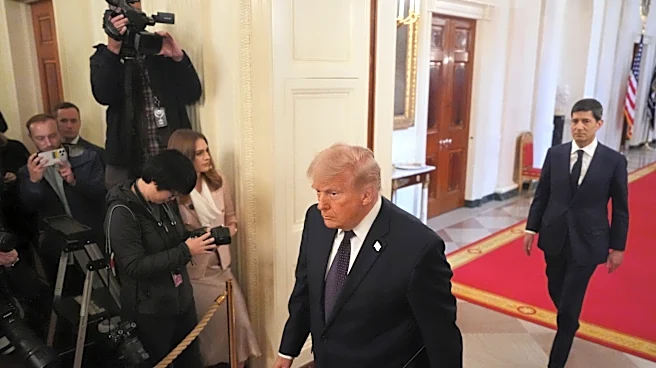
President Trump has issued a proclamation to further adjust the tariff regimes for imports of aluminum, steel, and copper into the United States. This action is based on findings that these metals are being imported in quantities that threaten national
security. The adjustments include imposing ad valorem duties of 50% on products made of these metals, 25% on derivative products, and a temporarily reduced duty of 15% on certain derivative products like fixed industrial machinery. The Secretary of Commerce has recommended expanding the category of products subject to reduced tariffs to include agricultural equipment and residential HVAC systems. Additionally, aluminum lithographic plates and steel racks will now be subject to tariffs to prevent circumvention of existing measures.
Why It's Important?
The adjustments to the tariff regimes are significant as they aim to protect U.S. national security by controlling the import of metals that are crucial to various industries. By imposing higher tariffs, the administration seeks to encourage the use of domestically produced metals, thereby supporting American industries and jobs. The inclusion of agricultural equipment and HVAC systems in the reduced tariff category reflects the importance of these products in the U.S. economy, particularly in sectors like farming and construction. These measures could lead to increased costs for industries reliant on imported metals, potentially affecting pricing and competitiveness.
What's Next?
The Secretary of Commerce, in consultation with other senior officials, will continue to monitor imports of metal products and assess their impact on national security. The administration may take further actions if deemed necessary. The Secretary is also tasked with issuing guidance to U.S. Customs and Border Protection regarding the assessment of U.S. content in imported products. This ongoing review process ensures that the tariff regimes remain effective in addressing national security threats while supporting domestic industries.
Beyond the Headlines
The proclamation highlights the broader implications of trade policies on national security and economic stability. By modifying the threshold for products to qualify as made entirely from American metals, the administration aims to incentivize the use of domestic resources. This could lead to long-term shifts in supply chain strategies and manufacturing practices. The focus on national security underscores the intersection of trade and defense policies, reflecting a strategic approach to safeguarding critical industries.