






What's Happening?
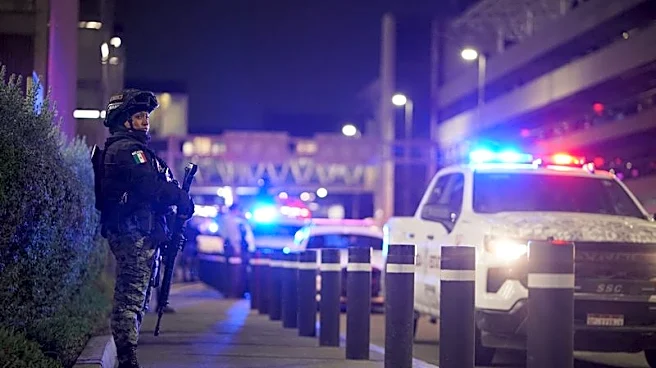
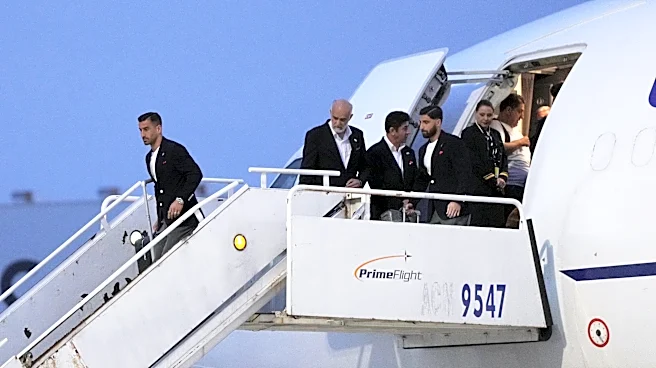
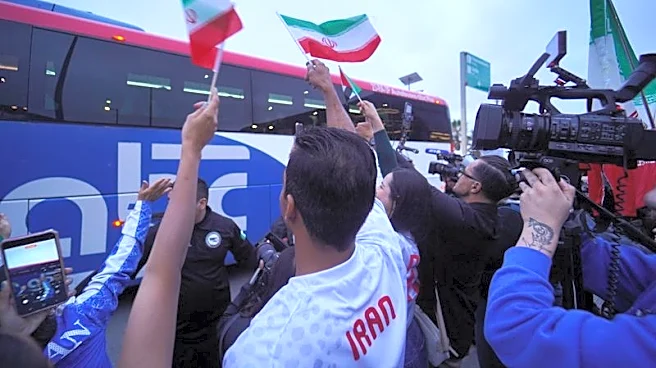
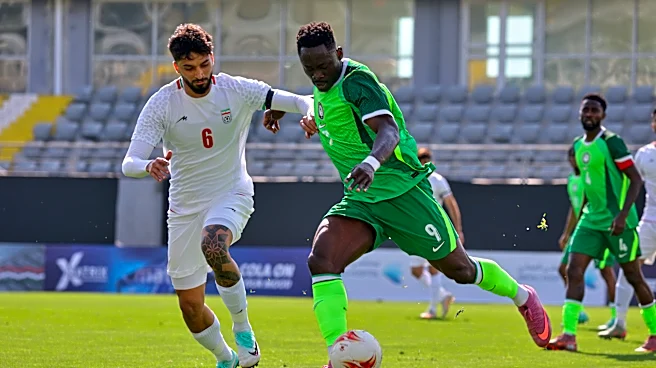
Iran's World Cup soccer team arrived in Tijuana, Mexico, wearing lapel pins to honor the victims of a missile strike on an elementary school in Minab, Iran. The pins, gold-colored and marked with the number '168', commemorate the lives lost, most of whom
were children, in the February 28 attack. The strike, which occurred near a Revolutionary Guard base, has been attributed to the United States, although neither the U.S. nor Israel has accepted responsibility. The incident has drawn criticism from the United Nations and human rights organizations. The Iranian team, which had initially planned to train in Tucson, Arizona, changed its base to Mexico due to visa processing delays for some team members with ties to the Revolutionary Guard. Iran is set to play its group-stage matches in the U.S., starting with a game against New Zealand in Inglewood, California.
Why It's Important?
The tribute by Iran's World Cup team highlights ongoing tensions between Iran and the United States, particularly in the context of military actions and their humanitarian impacts. The missile strike and its aftermath underscore the complexities of international relations and the challenges faced by sports teams in navigating geopolitical issues. The decision to wear the pins serves as a poignant reminder of the human cost of conflict and the role of sports in raising awareness about global issues. The situation also reflects the broader implications of diplomatic relations on international sporting events, as seen in the visa delays for Iranian players. This development could influence public perception and diplomatic discourse between the involved nations.
What's Next?
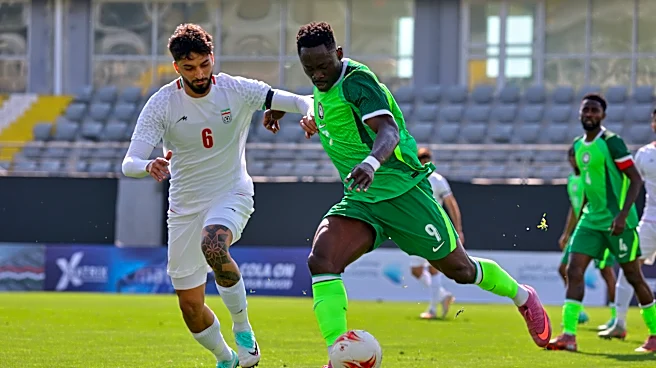
Iran's team is scheduled to play its first World Cup match in the U.S. on June 15 against New Zealand. The team will return to Tijuana between games and is set to face Belgium and Egypt in subsequent matches. The possibility of Iran and the U.S. meeting in the round of 32 adds another layer of complexity to the tournament, given the current diplomatic tensions. The U.S. military's ongoing investigation into the missile strike may also impact future diplomatic interactions and public opinion. Additionally, the international community will likely continue to monitor the situation, particularly regarding the humanitarian aspects and the accountability of military actions.