



What's Happening?
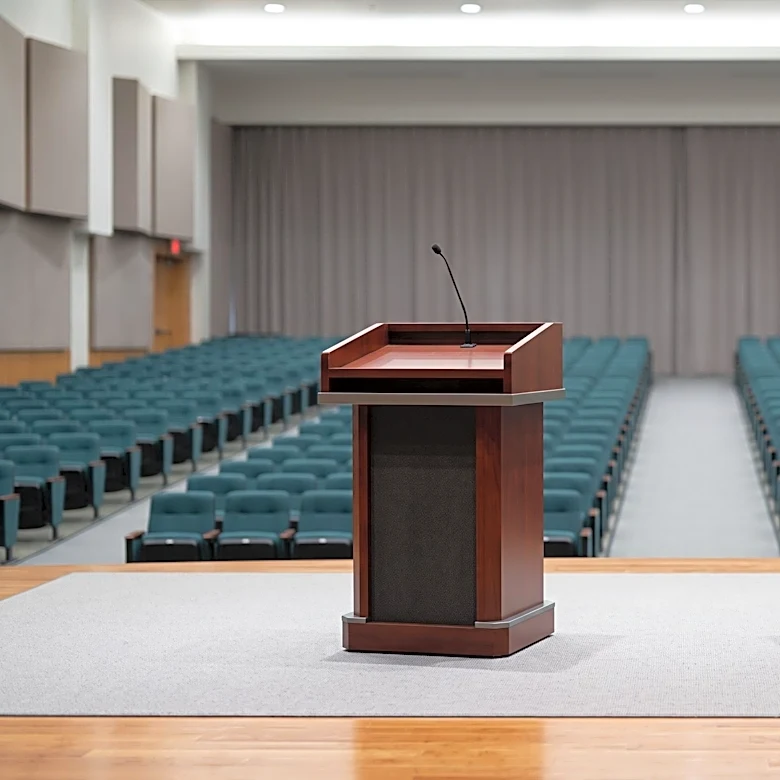
Incumbent U.S. Representative Julie Fedorchak (R-N.D.) has announced she will not participate in the U.S. House debates organized by Prairie Public. These debates are scheduled for the North Dakota and Minnesota's 7th Congressional District races. The North Dakota debate,
set for Thursday, October 8, at 7 p.m., will feature Democrat Trygve Hammer and independent candidates Helene Neville and Charles Tuttle. The Minnesota's 7th Congressional District debate, featuring incumbent Republican Rep. Michelle Fischbach and Democratic challenger Erik Osberg, is scheduled for Thursday, October 15, at 7 p.m. Both debates will be broadcast live on Prairie Public's television and radio networks and streamed on their YouTube channel. Instead of participating in the live Prairie Public debate, Representative Fedorchak will engage in a prerecorded debate with Trygve Hammer for the Plain Talk podcast, which is slated for release on Wednesday, October 14, at 4 p.m. Central.
Why It's Important?
Representative Fedorchak's decision to forgo the live Prairie Public debates carries significant implications for the North Dakota U.S. House race. Her absence from a widely broadcast and streamed event could limit her direct engagement with a broad segment of the electorate, potentially impacting voter perception and access to her policy positions. For the other candidates—Democrat Trygve Hammer and independents Helene Neville and Charles Tuttle—this creates an opportunity to gain more airtime and present their platforms without direct rebuttal from the incumbent. This dynamic could shape the narrative of the election, allowing challengers to define issues and present themselves as viable alternatives. The choice to participate in a prerecorded podcast debate, while still offering a platform for discussion, may reach a different audience demographic compared to a live public television and radio broadcast, potentially altering the reach and impact of her campaign messaging. This decision highlights varying campaign strategies and the evolving landscape of political communication, where candidates choose platforms that best suit their objectives and target audiences.
What's Next?
Following Representative Fedorchak's decision, the Prairie Public debates will proceed as scheduled without her participation. The North Dakota debate on October 8 will feature Democrat Trygve Hammer and independents Helene Neville and Charles Tuttle, offering them a prominent platform to articulate their stances and differentiate themselves. Voters will have the opportunity to compare these candidates directly through the live broadcast and streaming. Concurrently, the prerecorded debate between Representative Fedorchak and Trygve Hammer on the Plain Talk podcast will be released on October 14. This will provide a separate avenue for voters to hear from the incumbent and one of her challengers, albeit in a different format and potentially to a different audience. The outcomes of these debates, both in terms of candidate performance and public reception, will likely influence voter sentiment as the election approaches. Campaign strategies will likely adapt based on the visibility and impact generated by these various media appearances.
Beyond the Headlines
The decision by an incumbent to opt out of traditional live debates raises broader questions about the role of such forums in modern political campaigns and democratic discourse. While live debates offer unscripted exchanges and direct comparisons, some candidates may prefer alternative formats, such as prerecorded podcasts, which allow for more controlled messaging and potentially deeper dives into specific issues without the pressures of a live, multi-candidate setting. This trend could reflect a strategic shift in how campaigns engage with voters, leveraging niche media platforms to reach targeted demographics. However, it also prompts concerns about transparency and accountability, as live debates traditionally serve as a critical mechanism for voters to assess candidates' ability to think on their feet and respond to challenges in real-time. The long-term implications could include a fragmentation of political discourse, where different segments of the electorate receive information through distinct and potentially less confrontational channels, impacting the overall quality of public debate and voter engagement.