
What's Happening?
A free maternity care program in eastern Congo has ended, leaving many women without access to essential healthcare services. The program, which was not renewed in June, aimed to reduce high maternal and
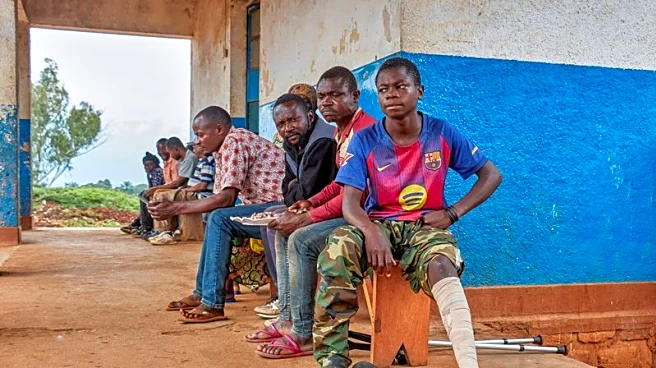
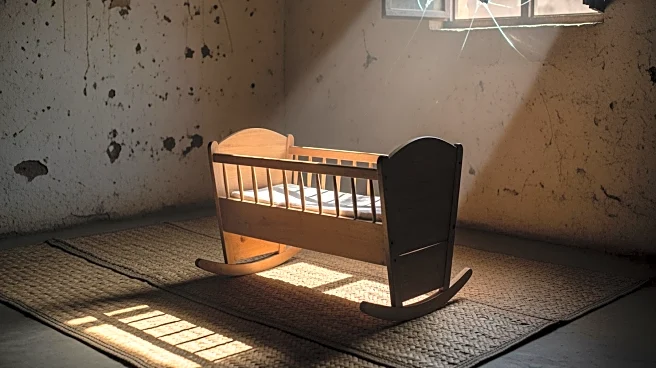
neonatal death rates by offering free consultations and treatment for at-risk pregnancies. The conflict in the region, exacerbated by the M23 rebel group's offensive, has disrupted medical supply chains and infrastructure, making it difficult for women to access care. Many are now forced to give birth at home in unsanitary conditions, increasing the risk of complications.
Why It's Important?
The termination of the free maternity care program highlights the broader impact of conflict on public health services in eastern Congo. The region's already high maternal mortality rates are likely to increase, exacerbating the humanitarian crisis. The lack of access to healthcare services underscores the urgent need for international support and intervention to restore essential services and infrastructure. The situation also raises concerns about the long-term health and well-being of women and children in conflict-affected areas.
What's Next?
Efforts to restore healthcare services in eastern Congo will require coordinated international aid and support. Humanitarian organizations may need to step in to provide emergency medical supplies and support to affected communities. The Congolese government and international partners will need to prioritize rebuilding healthcare infrastructure and ensuring access to essential services for vulnerable populations. Continued conflict poses a significant challenge to these efforts, highlighting the need for a comprehensive peace process.