




What's Happening?
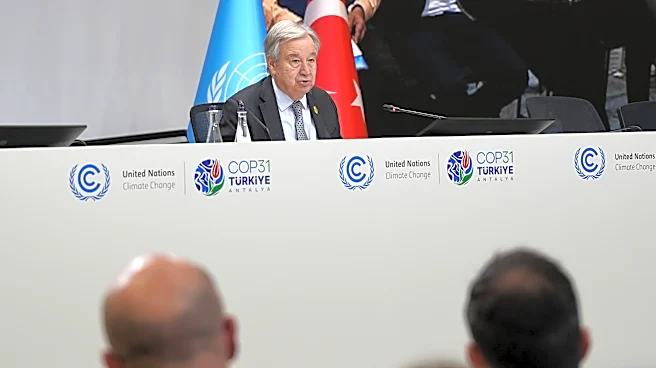
Greenpeace, in collaboration with Danish artist Thomas Dambo, unveiled a six-meter-tall Trojan Horse sculpture made from recycled materials at the UN COP31 climate conference in Antalya, Türkiye. The installation, which spilled plastic waste from its
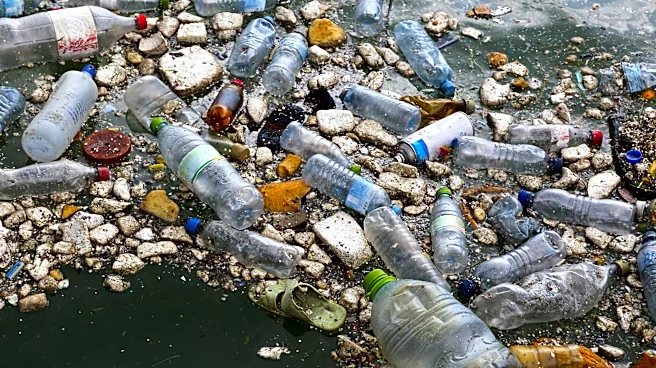
belly, aimed to highlight the fossil fuel industry's reliance on plastic production to maintain profits as demand for oil and gas declines. Greenpeace asserts that 99% of plastics are derived from fossil fuels, making plastic expansion a strategy for the industry to circumvent climate action. The protest served as a prelude to the Global Plastics Treaty negotiations scheduled for March 2027, with campaigners advocating for production caps, a ban on plastic waste imports, and a just transition away from fossil fuels. The organization is urging world leaders to implement a legally binding treaty that reduces plastic production at its source and halts new petrochemical investments.
Why It's Important?
This protest underscores the growing global concern over plastic pollution and its intrinsic link to the fossil fuel industry and climate change. The demonstration aims to influence the upcoming Global Plastics Treaty negotiations, pushing for stricter regulations on plastic production and waste management. For the U.S., which is a significant producer and consumer of plastics, the outcome of these negotiations could have substantial implications for its petrochemical industry, waste management policies, and environmental regulations. A global treaty with production caps could necessitate significant shifts in industrial practices and investment strategies within the U.S., potentially impacting jobs and economic sectors tied to plastic manufacturing. Furthermore, the call for a ban on plastic waste imports could affect international trade dynamics and domestic recycling infrastructure.
What's Next?
The next official round of negotiations for the Global Plastics Treaty is scheduled for March 2027. Greenpeace and other environmental organizations will likely continue their advocacy efforts to pressure governments to adopt a robust, legally binding treaty that addresses plastic production at its source. These negotiations will involve various stakeholders, including national governments, industry representatives, and environmental groups, each with differing priorities and objectives. The U.S. delegation's stance and influence in these upcoming talks will be crucial in shaping the final agreement. Domestically, there may be increased pressure on U.S. policymakers to consider national legislation or policies that align with potential international commitments on plastic reduction and waste management.
Beyond the Headlines
The Greenpeace protest highlights a deeper ethical and economic dilemma: the fossil fuel industry's pivot to plastics as a long-term profit strategy, potentially undermining global climate goals. This shift raises questions about corporate responsibility and the effectiveness of international climate agreements if loopholes, such as increased plastic production, are exploited. The 'Trojan Horse' metaphor suggests a deceptive strategy by the industry, presenting plastics as benign while concealing their environmental and climate impact. This narrative could further fuel public demand for greater transparency and accountability from corporations regarding their environmental footprint. The long-term implications could include a re-evaluation of economic models that rely heavily on single-use plastics and a push towards more circular economy principles globally.