







What's Happening?
A bill aimed at boosting condominium construction in California, Assembly Bill 1903, failed to pass before the legislative session concluded at midnight on Tuesday. The bill, authored by Oakland Democratic lawmaker Buffy Wicks, sought to reform how disputes
between homeowners and builders over construction defects are resolved. Its proponents argued that the current system, which often leads to litigation, deters developers from building condos, thereby limiting affordable homeownership opportunities. The bill had successfully passed the Senate without objection but did not receive the necessary 'concurrence' vote in the Assembly to finalize amendments before the deadline, effectively causing it to die without a single 'no' vote in either chamber.
Why It's Important?
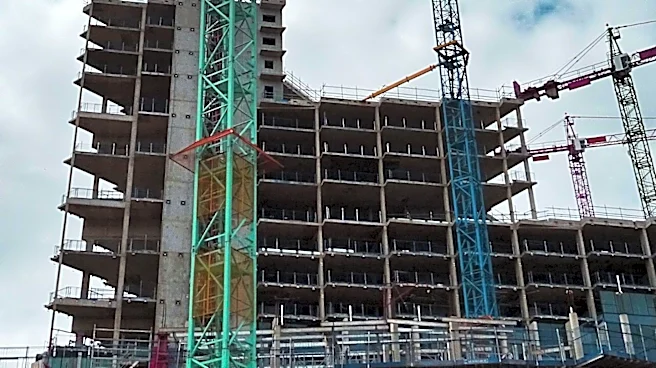
The failure of Assembly Bill 1903 carries significant implications for California's housing market, which is grappling with a severe shortage of affordable homes. Condominiums are often seen as a more accessible entry point into homeownership compared to single-family residences. Developers, however, have been reluctant to build condos due to the high risk and cost associated with construction defect lawsuits. The bill aimed to mitigate this by requiring homeowners to document defects clearly and allow builders an opportunity for repair before litigation. Its demise means that the disincentives for condo construction remain, potentially exacerbating the housing crisis and limiting options for working-class families seeking to own homes in the state. This outcome highlights the ongoing tension between consumer protection and developer incentives in California's legislative landscape.
What's Next?
Assemblymember Buffy Wicks expressed disappointment but indicated confidence that the bill's backers would bring back a similar or stronger proposal in future legislative sessions. The legislative process in California often sees bills reintroduced after initial failures, especially those addressing pressing issues like housing. Stakeholders, including real estate interests, pro-housing advocates, and lobbying groups representing civil trial lawyers and homeowners associations, will likely continue their advocacy efforts. Future iterations of the bill will need to navigate the concerns of various parties, particularly those related to consumer protection against defective construction. The debate over balancing developer liability with the need for increased housing supply is expected to persist in California politics.
Beyond the Headlines
The legislative demise of Assembly Bill 1903 underscores a deeper systemic challenge within California's governance: the intricate and often contentious balance between competing interests. The bill's failure, despite broad support for its intent, reveals the powerful influence of lobbying groups, such as the Consumer Attorneys of California, who argued that the bill could undermine homeowners' ability to seek redress for legitimate defects. This situation highlights how procedural complexities and last-minute negotiations can derail even widely supported initiatives. It also points to a broader philosophical debate about who bears the risk in housing development—developers or homeowners—and how that risk impacts the availability and affordability of housing. The incident reflects the difficulty of enacting significant policy changes in a state with diverse and often conflicting stakeholder demands.