




What's Happening?
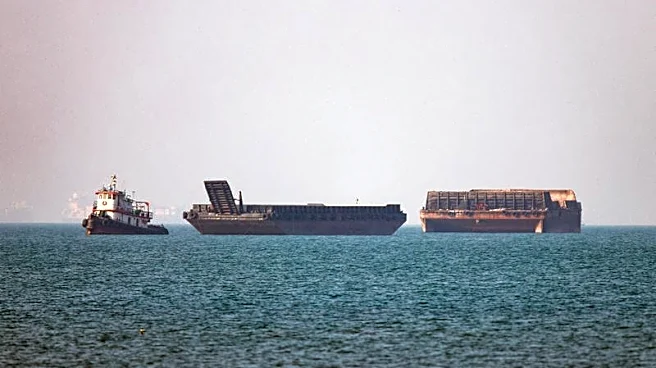
International Energy Agency (IEA) Executive Director Fatih Birol met with Canadian Prime Minister Mark Carney and other officials to address energy market turmoil linked to the Middle East conflict and disruptions in the Strait of Hormuz. The discussions
in Ottawa focused on the impact of constrained oil and natural gas flows and Canada's potential to expand its role as a global energy exporter. The meetings also covered energy security, global supply reliability, and critical minerals supply chains.
Why It's Important?
The discussions are crucial as they address the global energy market's vulnerability to geopolitical tensions, particularly in the Middle East. The Strait of Hormuz is a critical chokepoint for global oil and gas shipments, and disruptions can lead to significant market volatility. Canada's potential to increase its energy exports could help stabilize global supply and reduce dependency on Middle Eastern oil, enhancing energy security for importing countries.
What's Next?
Canada may take steps to strengthen its domestic energy infrastructure and increase export capacity. This could involve investments in pipeline projects and partnerships with other countries to secure energy supply chains. The IEA is likely to continue monitoring the situation and may issue further guidance or recommendations to member countries on managing energy security risks.
Beyond the Headlines
The situation underscores the interconnectedness of global energy markets and the need for diversified energy sources. It also highlights the strategic importance of critical minerals in energy production and the potential for countries like Canada to play a larger role in the global energy landscape. The ongoing conflict in the Middle East may prompt countries to reassess their energy policies and explore alternative energy sources.