







What's Happening?
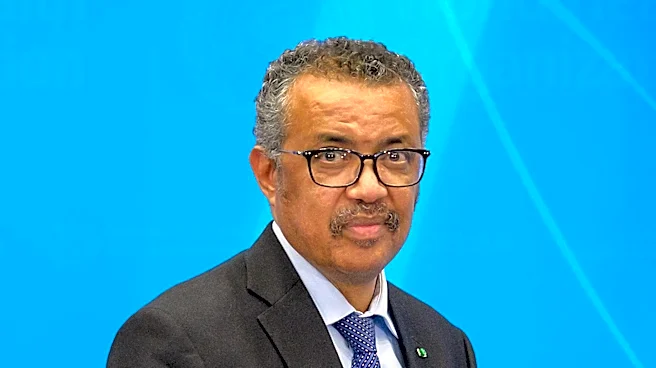
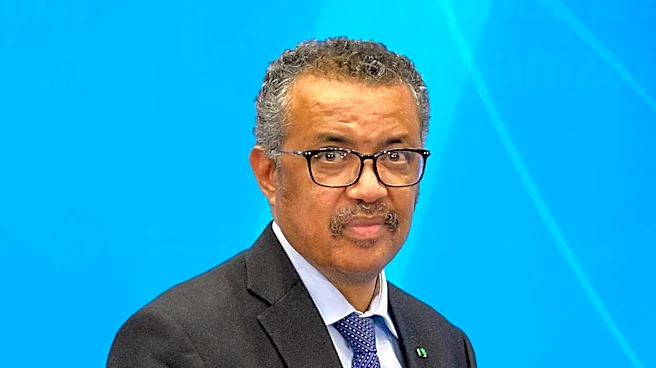
The World Health Organization (WHO) is advocating for public health to be a central focus at COP31, emphasizing the need to address premature deaths and illnesses stemming from both the causes and consequences of climate change. WHO Director-General Tedros
Adhanom Ghebreyesus stated that 'Health is the human face of climate change,' highlighting that air pollution, largely from burning fossil fuels, causes approximately seven million deaths annually. UN Climate Change Executive Secretary Simon Stiell echoed this sentiment, calling climate change 'a global health crisis of pandemic proportions.' The draft agreement for COP31, dated November 16, includes health impacts, focusing on adaptation and resilience to 'climate-sensitive diseases such as malaria, dengue and cholera, heat stress, maternal health, food and nutrition insecurity and damage to health facilities during extreme events.' The WHO also points out that heat stress contributed to a record 710,000 deaths globally in 2023, with over 70% attributed to human-caused climate change, according to the Lancet Countdown report. David Miller, managing director of C40 Cities, noted that cities are already experiencing the brunt of this health crisis.
Why It's Important?
Integrating public health into climate action is crucial for the United States and the global community as climate change increasingly impacts human well-being. The WHO's push for health to be an explicit eligibility area for climate finance could redirect significant funding towards health-centric climate initiatives, potentially saving lives and reducing healthcare burdens. For the U.S., this could mean increased investment in cleaner energy sources to combat air pollution, which contributes to respiratory and cardiovascular diseases, and enhanced public health infrastructure to manage climate-sensitive diseases and extreme weather events. The economic case for such investments is strong; a WHO analysis suggests that six priority climate-health actions could save 1.6 million lives annually, with five actions yielding approximately $24 for every dollar invested. This highlights a potential pathway for the U.S. to achieve both environmental and public health benefits, fostering a more resilient and healthier population while also stimulating economic growth in green sectors. Failure to prioritize health in climate policies could lead to escalating healthcare costs, decreased productivity, and increased mortality rates.
What's Next?
As COP31 progresses, the focus will be on whether health concerns are explicitly included in the final negotiated text and if health becomes a recognized area for climate finance. The WHO is advocating for policies that promote cleaner household fuels and efficient fossil-fuel pricing, which could significantly reduce air pollution-related deaths. If these proposals are adopted, countries, including the U.S., may face pressure to implement more stringent regulations on fossil fuel consumption and invest in renewable energy sources. Additionally, there could be a push for the development and implementation of heat-health warning systems and climate-resilient water and sanitation services. The outcome of COP31 will likely influence national climate and health policies, potentially leading to new international collaborations and funding mechanisms aimed at addressing the health impacts of climate change. Stakeholders, including governments, healthcare organizations, and environmental groups, will be closely watching the negotiations to assess the commitment to public health in global climate action.
Beyond the Headlines
The emphasis on public health at COP31 signals a growing recognition that climate change is not solely an environmental issue but a fundamental threat to human health and societal stability. This shift could lead to a more holistic approach to climate policy, where health impact assessments become standard in environmental decision-making. Ethically, it underscores the responsibility of nations to protect vulnerable populations from climate-induced health crises, particularly those in developing countries and marginalized communities within developed nations like the U.S. Legally, it might pave the way for new international agreements or domestic legislation that link climate action directly to public health outcomes, potentially leading to legal challenges against entities contributing significantly to pollution and climate change. Culturally, it could foster a greater public understanding of the direct link between environmental degradation and personal well-being, potentially driving broader societal changes in consumption patterns and support for sustainable practices. This integrated perspective could also spur innovation in health technologies and climate adaptation strategies.