


What's Happening?
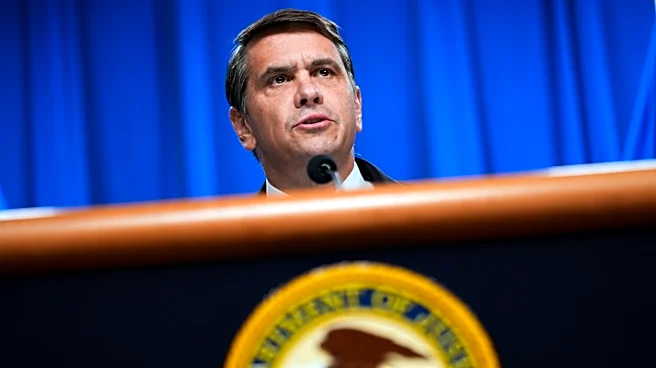
The Justice Department has announced its compliance with a federal court ruling that temporarily halts the Trump administration's $1.776 billion anti-weaponization fund. This fund was intended to support individuals who claimed they were unfairly targeted
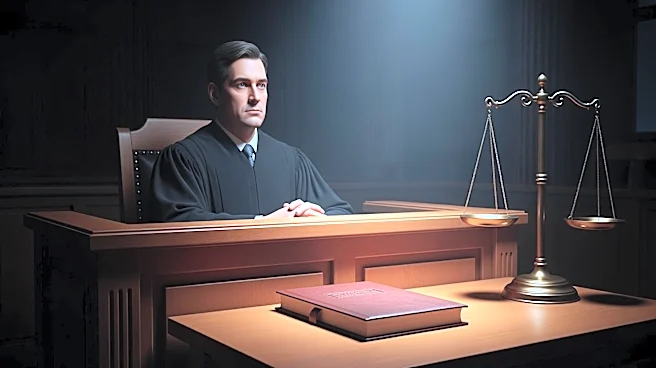
by the federal government, a notion that gained traction among some Trump supporters during the Biden administration. The fund faced criticism from Democratic lawmakers, who labeled it a 'slush fund' for Trump supporters, and even some Republicans expressed reservations. The Eastern District of Virginia's federal judge issued the temporary block following a lawsuit from Democracy Forward and other groups. The Justice Department, while disagreeing with the court's decision, has stated it will abide by the ruling. The fund was part of a settlement related to a $10 billion lawsuit President Trump filed against the IRS over leaked tax returns.
Why It's Important?
The suspension of the anti-weaponization fund highlights ongoing tensions between the Trump administration and various political and legal entities. The fund's creation was seen by critics as a politically motivated move to support Trump allies, raising concerns about the use of federal resources for partisan purposes. The court's decision to halt the fund underscores the judiciary's role in checking executive actions perceived as overreaching. This development could influence future legal and political strategies, particularly regarding how administrations allocate funds and address claims of governmental weaponization. The outcome of this legal challenge may set precedents for how similar funds are scrutinized and managed in the future.
What's Next?
The federal judge in Virginia is set to hold a hearing on June 12 to determine whether the temporary block on the fund should become permanent. Additionally, a separate legal matter in Florida, involving President Trump's lawsuit against the IRS, is under review. Judge Kathleen Williams is considering whether to reopen the case, questioning its legitimacy due to President Trump's involvement on both sides of the dispute. The outcomes of these legal proceedings could have significant implications for the Trump administration's legal strategies and the broader political landscape.