








What's Happening?
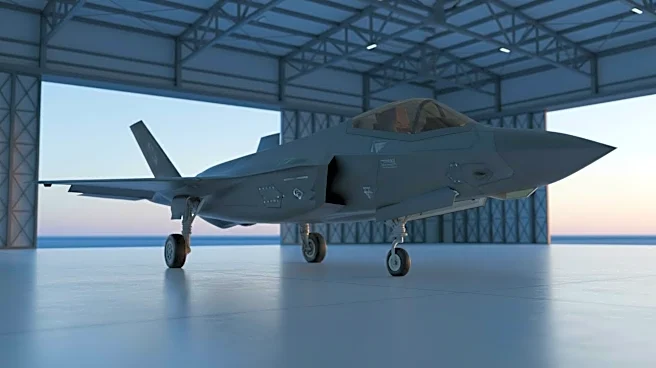
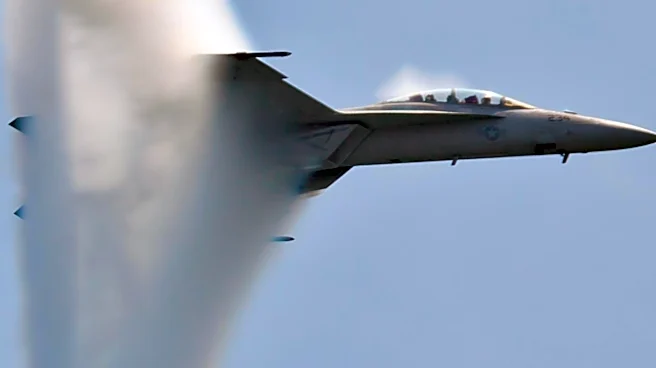
The UK government has unveiled a Defense Investment Plan that significantly boosts the Royal Air Force's (RAF) combat capabilities. The plan includes funding for the Global Combat Air Program (GCAP), additional Lockheed Martin F-35 purchases, and upgrades
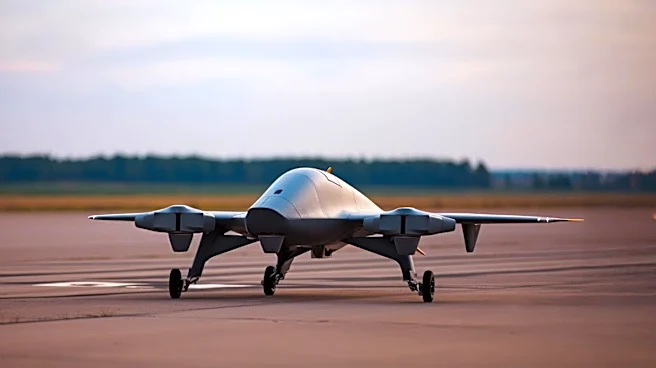
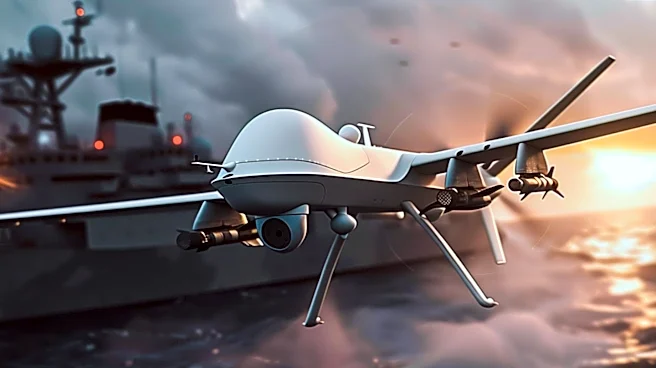
to the Eurofighter Typhoon fleet. It also introduces a new collaborative combat aircraft. The plan emphasizes the need for affordable munitions, deep-strike systems, and drones. However, it also involves cuts to certain fleets, such as the British Army's Leonardo AW159 Wildcat helicopters and the RAF's Raytheon Shadow R1 aircraft.
Why It's Important?
This defense spending plan reflects the UK's strategic priorities in modernizing its military capabilities amidst evolving global threats. By investing in advanced aircraft and munitions, the UK aims to enhance its defense readiness and maintain a competitive edge. The focus on drones and uncrewed systems aligns with global military trends towards automation and cost-efficiency. However, the plan's reliance on cuts to existing fleets and the backloaded funding raise concerns about its long-term sustainability and effectiveness in addressing immediate security challenges.
What's Next?
The implementation of the defense spending plan will likely involve further negotiations and adjustments, especially as the UK government balances security needs with fiscal constraints. The introduction of new aircraft and systems will require coordination with industry partners and may face challenges related to production timelines and technological integration. Additionally, the plan's success will depend on the support of the incoming UK Prime Minister and the ability to secure necessary funding amidst economic pressures.
Beyond the Headlines
The emphasis on drones and uncrewed systems in the UK's defense strategy highlights a broader shift towards technological innovation in military operations. This trend could influence other countries to adopt similar approaches, potentially reshaping global defense dynamics. The plan's focus on affordability and scalability also underscores the importance of cost-effective solutions in modern military planning, which may drive further advancements in defense technology and procurement strategies.