





What's Happening?
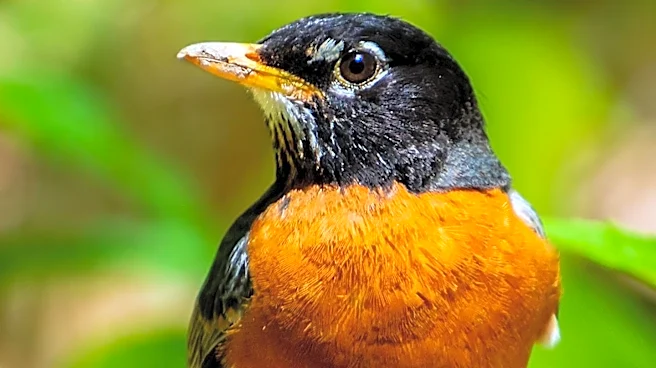
The American robin, once a common dish in the United States, is now protected under the Migratory Bird Treaty Act of 1918. This federal law prohibits the hunting, killing, capturing, or consuming of American robins, imposing significant penalties for
violations. Historically, robins were widely consumed across the country, appearing in various recipes and dining establishments. However, the enactment of the Migratory Bird Treaty Act marked a turning point in conservation efforts, ensuring the protection of robins and other migratory birds. The act has played a crucial role in preserving bird populations and maintaining biodiversity in North America.
Why It's Important?
The protection of the American robin under the Migratory Bird Treaty Act highlights the importance of federal conservation laws in safeguarding wildlife. This legislation has been instrumental in preventing the decline of bird populations and promoting biodiversity. The act serves as a model for other conservation efforts, demonstrating the effectiveness of legal protections in preserving natural resources. The success of the Migratory Bird Treaty Act underscores the need for continued vigilance and enforcement to ensure the survival of vulnerable species. It also reflects broader societal values regarding the ethical treatment of wildlife and the preservation of natural heritage.
Beyond the Headlines
The Migratory Bird Treaty Act's impact extends beyond the protection of individual species, influencing broader conservation policies and practices. It has set a precedent for international cooperation in wildlife protection, as similar agreements have been established with other countries. The act also highlights the role of public awareness and advocacy in driving legislative change, as conservation efforts often rely on public support to succeed. The story of the American robin serves as a reminder of the delicate balance between human activities and environmental stewardship, emphasizing the need for sustainable practices that respect and protect wildlife.