





What's Happening?
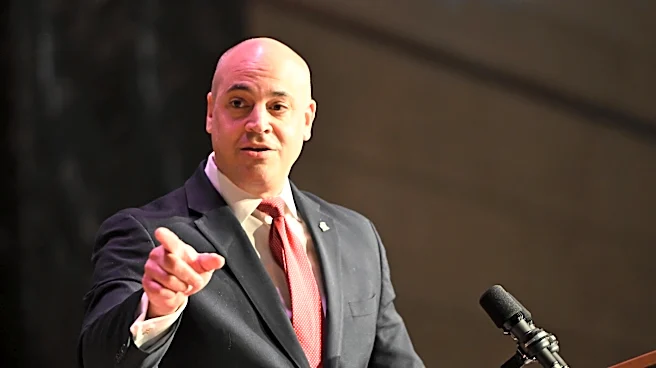
A Pittsburgh attorney, Paul Robinson, has been charged alongside 13 Pennsylvania State University students, including his son Thomas M. Robinson, in connection with a cocaine trafficking operation. Pennsylvania Attorney General Dave Sunday announced the
charges on August 17, stating that the drug dealing occurred primarily at the Delta Upsilon and Sigma Chi fraternity houses in 2023 and 2024. The operation involved cutting and packaging large quantities of cocaine. Paul Robinson, the only non-student charged, faces felony counts of tampering with evidence and hindering apprehension for allegedly concealing evidence and obstructing the investigation. His son, Thomas M. Robinson, is identified as one of the two alleged leaders of the operation.
Why It's Important?
This case highlights the serious issue of drug trafficking within university communities and the potential involvement of individuals beyond the student body. The charges against a practicing attorney, particularly one with a son allegedly leading the operation, underscore the far-reaching consequences of such criminal activities. It raises concerns about the influence of external parties on campus life and the challenges universities face in monitoring and preventing illegal activities. The involvement of fraternity houses as primary locations for drug operations also brings into question the oversight and accountability within Greek life organizations, potentially leading to increased scrutiny and policy changes regarding student housing and social events.
What's Next?
The legal proceedings against Paul Robinson and the 13 students are expected to continue, with potential trials and sentencing phases. The charges of felony tampering and hindering apprehension against Paul Robinson could result in significant legal repercussions. For the university, this incident may prompt a review of existing policies related to drug enforcement, fraternity oversight, and student conduct. There could be increased pressure on Penn State and other universities to implement stricter measures to prevent drug-related activities on or near campus, potentially leading to changes in Greek life regulations or enhanced surveillance. The law firm where Paul Robinson is employed has stated it is reviewing the circumstances and will not comment further due to the ongoing criminal proceeding.
Beyond the Headlines
This incident delves into the complex interplay between personal responsibility, professional ethics, and the broader societal issue of drug abuse. The involvement of a respected attorney in a drug trafficking ring, particularly one linked to his son, raises ethical questions about professional conduct and parental influence. It also sheds light on the vulnerabilities within university environments, where social networks like fraternities can be exploited for illicit activities. The case may spark broader conversations about the effectiveness of current drug prevention programs in educational institutions and the need for comprehensive strategies that address both supply and demand, as well as the role of family and community in deterring such behaviors.