




What's Happening?
The World Food Programme (WFP) announced on October 16 that it has received four awards from the U.S. Department of Agriculture (USDA) totaling over $182 million. These awards are designated for emergency food assistance in three countries and school
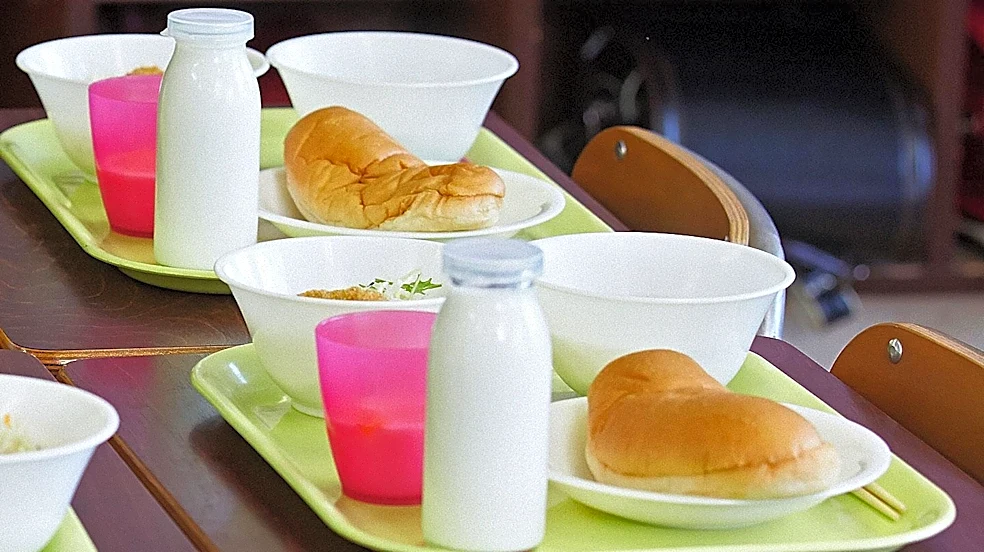
meal programs in Cambodia. Specifically, three Food for Peace awards, amounting to $147.6 million, will provide over 60,000 metric tons of U.S.-sourced food to more than two million people in the Democratic Republic of the Congo, Ethiopia, and Haiti. The commodities include grains, pulses, oil, and fortified nutrition products. The fourth award, $35 million through the McGovern-Dole program, will support school meals for an estimated 143,000 Cambodian students across more than 650 schools over five years, utilizing over 9,100 tons of U.S.-sourced rice, yellow split peas, and vegetable oil. Cambodia is expected to contribute nearly $10 million in co-financing for this program.
Why It's Important?
This significant funding from the USDA underscores the U.S.'s continued commitment to global humanitarian efforts and food security. The awards highlight the dual benefit of such programs: providing critical aid to vulnerable populations while also creating a sales channel for U.S. agricultural goods. The Food for Peace awards address immediate emergency needs in crisis-affected regions, directly impacting the lives of millions by supplying essential food items. The McGovern-Dole program, focused on school meals, has a long-term impact on education and nutrition for children, fostering stability and development. These initiatives demonstrate how humanitarian aid can be strategically linked to agricultural supply chains, benefiting both recipient countries and U.S. farmers. The co-financing from Cambodia also indicates a collaborative approach to sustainable development, aiming for continuity beyond external funding.
What's Next?
The immediate next steps involve the procurement, shipping, and distribution of the allocated food commodities to the Democratic Republic of the Congo, Ethiopia, Haiti, and Cambodia. The WFP will manage the logistical complexities, including trade financing, procurement tenders, shipping access, customs clearance, and ensuring local security for delivery. For the school meal program in Cambodia, the multi-year commitment will require ongoing coordination to ensure consistent supply of cereals and nutrition products. The success of these programs will be measured by delivery and attendance data, rather than just the initial funding announcements. Stakeholders will monitor how effectively these financial commitments translate into tangible food deliveries and improved nutritional outcomes for the targeted populations. The Cambodian government's co-financing suggests a long-term vision for the school meal program, potentially leading to its sustained operation after the five-year external funding period concludes.
Beyond the Headlines
These USDA awards extend beyond immediate food relief, illustrating the intricate connection between international aid, agricultural policy, and global stability. The provision of U.S.-sourced agricultural products through humanitarian programs can influence international trade dynamics and support U.S. agricultural markets. However, it's crucial to differentiate between humanitarian objectives and ordinary export demand, as the primary goal remains addressing food insecurity. The long-term impact of school meal programs, like the one in Cambodia, can be transformative, improving educational attainment, health outcomes, and economic stability in developing regions. Such initiatives also raise ethical considerations regarding the sustainability of food aid, the potential impact on local agricultural markets, and the importance of fostering self-sufficiency in recipient nations. The strategic use of U.S. agricultural surplus for humanitarian purposes reflects a complex interplay of economic, political, and social objectives on a global scale.