






What's Happening?
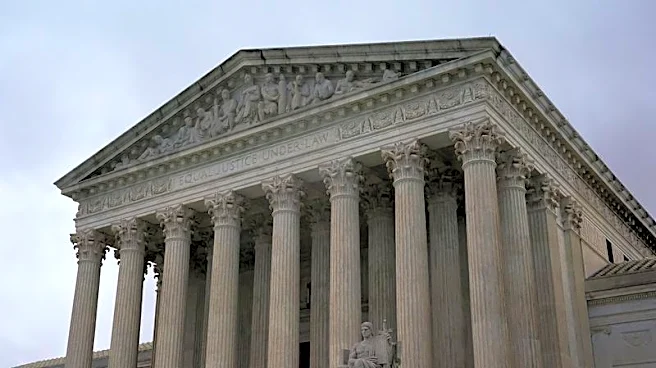
The U.S. House of Representatives has voted to extend Section 702 of the Foreign Intelligence Surveillance Act (FISA) for three years, with a vote tally of 235 to 191. This program allows U.S. intelligence agencies to intercept electronic communications
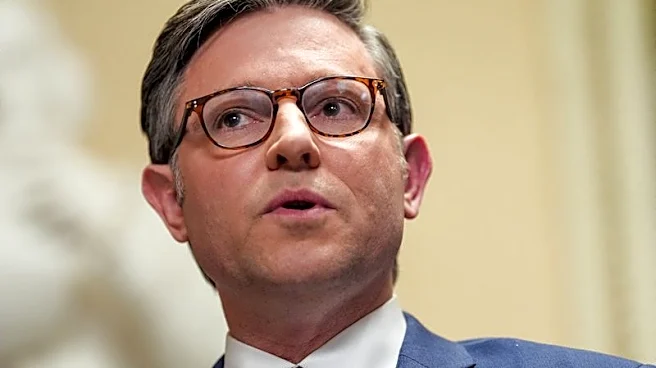
of foreign nationals outside the United States. The extension now moves to the Senate, where it faces a challenging path to approval before a looming deadline. Speaker Mike Johnson, R-La., faced significant opposition from privacy-focused Republicans, which previously led to the failure of longer extension proposals. The current extension includes limited modifications, such as requiring federal law enforcement to seek approval from attorneys before reviewing Americans' information and imposing criminal penalties for misuse. Despite these changes, privacy advocates argue that the program still lacks adequate protections for American citizens.
Why It's Important?
The extension of Section 702 is significant due to its implications for national security and privacy rights. While the program is deemed crucial for protecting the U.S. against foreign threats, it has been criticized for potentially infringing on the Fourth Amendment rights of American citizens. The debate highlights the ongoing tension between ensuring national security and safeguarding individual privacy. The outcome of this legislative process could set a precedent for how surveillance tools are balanced with civil liberties in the future. The decision also reflects broader concerns about government overreach and the need for transparency in intelligence operations.
What's Next?
The Senate will now consider the extension, with potential modifications or rejections on the table. Senate Majority Leader John Thune, R-S.D., has expressed opposition to an attached provision banning Central Bank Digital Currency, which could complicate the bill's passage. The Senate may choose to strip this provision or propose a temporary extension to allow further negotiations on FISA reforms. The outcome will depend on the ability of lawmakers to reconcile differences and address privacy concerns while maintaining the program's effectiveness.