



What's Happening?
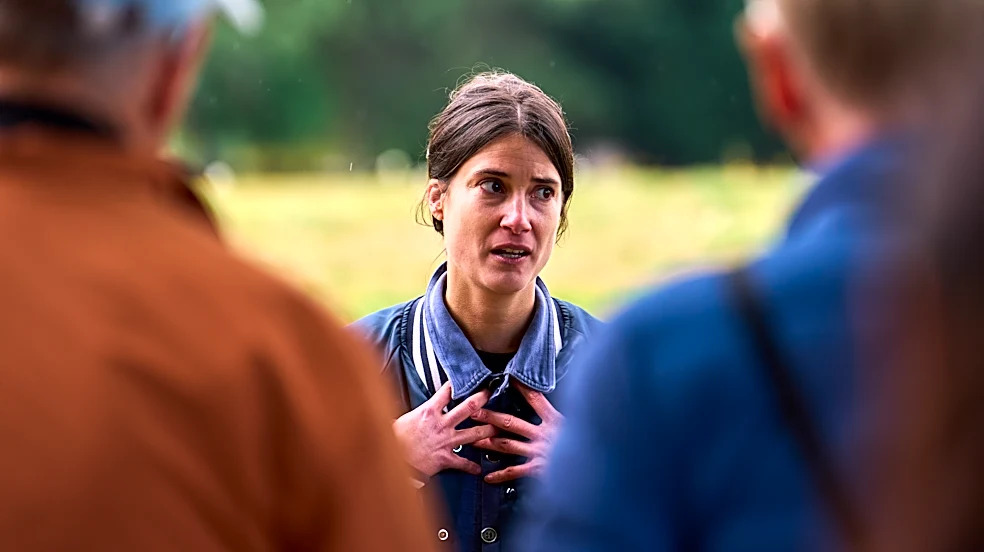
The U.S. Fish and Wildlife Service, Mid-Columbia Fisheries, and tribal partners are actively engaged in recovery efforts for bull trout in Washington and Idaho. These initiatives are highlighted in the film 'Where the Bulls Still Swim,' which showcases
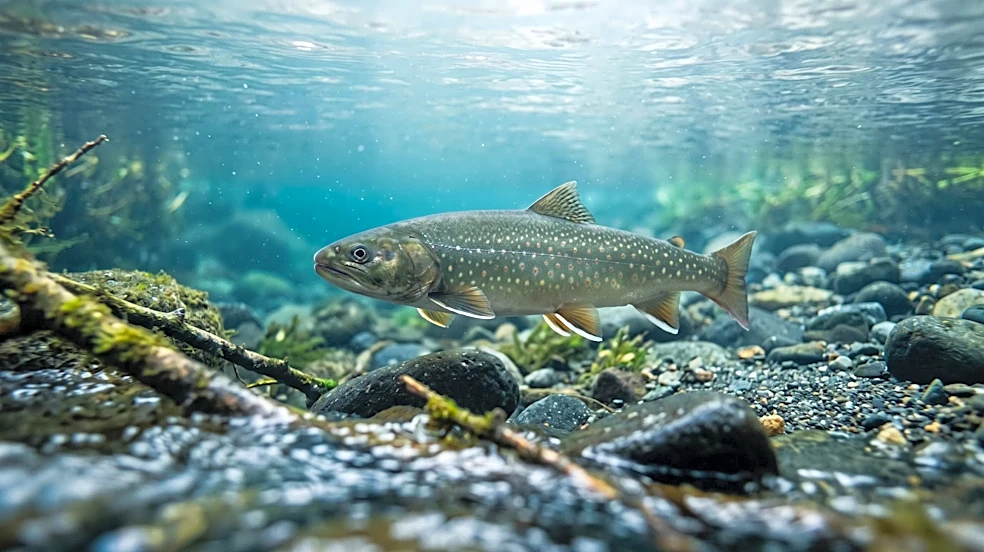
the challenges faced by these native fish and the ongoing conservation work. Biologists Aimee Taylor and Zac Zacavish explain that bull trout require exceptionally cold, clean water and connected river systems to thrive. Historical factors such as logging, mining, dams, and development have fragmented their habitats, leading to population declines. Recovery efforts include moving bull trout above dams to facilitate access to spawning grounds, with tangible results seen in the discovery of offspring from relocated fish. Additionally, juvenile bull trout stranded in drying river pools are rescued, with some moved upstream and others raised in captivity before release to improve their survival chances. These organized conservation activities demand expertise, coordination, and patience, offering hope for restoring ecological connections.
Why It's Important?
The conservation efforts for bull trout are crucial for maintaining biodiversity and ecological balance in U.S. river systems, particularly in the Pacific Northwest. Bull trout are indicator species, meaning their health reflects the overall health of their aquatic environments. Their decline signals broader environmental degradation that can impact other species and ecosystem services, such as water quality. The involvement of federal agencies like the U.S. Fish and Wildlife Service, alongside local and tribal partners, underscores a collaborative approach to environmental stewardship. Successful recovery programs can serve as models for other endangered species, demonstrating effective strategies for habitat restoration and species reintroduction. The film also emphasizes the importance of public awareness and responsible angling practices, highlighting how individual actions and community involvement are vital for long-term conservation success and the preservation of natural heritage.
What's Next?
Continued efforts will focus on monitoring bull trout populations and the effectiveness of current recovery strategies, such as fish relocation and habitat restoration. Biologists will likely expand their research to identify additional critical habitats and potential threats, adapting conservation plans as new data emerges. Public engagement campaigns, like those inspired by the film, are expected to continue, encouraging anglers and local communities to participate in stewardship activities and adhere to regulations. There will also be ongoing collaboration between government agencies, non-profit organizations, and tribal communities to ensure a comprehensive and culturally sensitive approach to conservation. Future legislative or policy changes might be considered to further protect bull trout habitats and mitigate the impacts of development, ensuring the long-term viability of these recovery programs.
Beyond the Headlines
The story of bull trout recovery extends beyond immediate conservation, touching upon the ethical responsibility of humans to protect endangered species and restore damaged ecosystems. The film's narrative, which includes an angler's personal journey of recovery intertwined with his passion for bull trout, highlights the profound connection between human well-being and the natural world. This suggests a deeper cultural implication where environmental conservation can foster personal healing and community engagement. The historical context of blaming bull trout for salmon declines, rather than addressing broader environmental changes, serves as a cautionary tale about ecological scapegoating and the need for holistic understanding in conservation. Ultimately, the success of these efforts could redefine how society values and interacts with its natural resources, promoting a more integrated approach to environmental and social health.