

What's Happening?
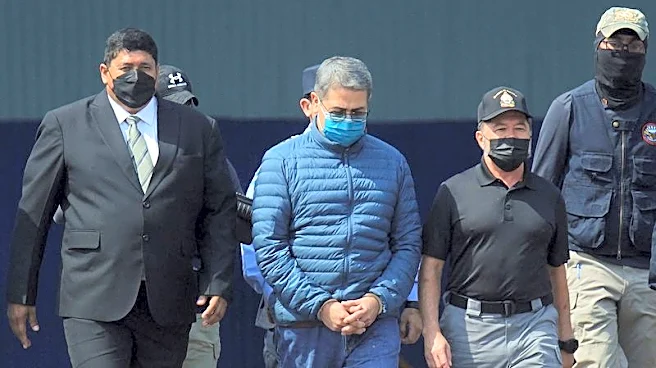
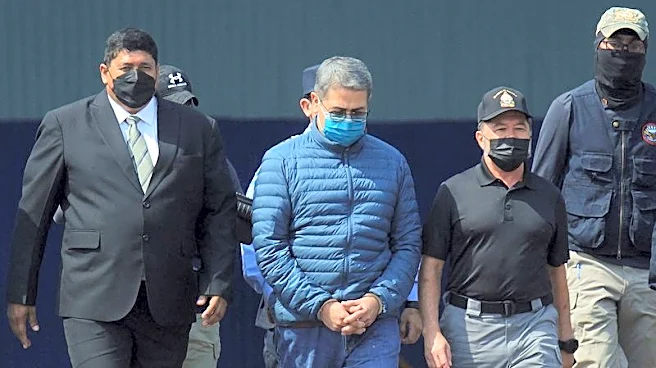
Ernesto Ruffo Appel, a former governor of Baja California, has been arrested, raising questions about the motives behind the Mexican justice system's actions. Ruffo, now part of the political party Somos México, faces charges related to fuel smuggling.
His arrest comes amid allegations of selective justice, as other politicians with similar accusations remain free. The timing of the arrest, following leaked audios of a current governor offering cooperation with U.S. authorities, suggests potential political motivations. The case has sparked reactions from opposition parties, who claim it is a political maneuver to silence dissent.
Why It's Important?
The arrest of a high-profile political figure like Ruffo highlights concerns about the impartiality of Mexico's justice system. It raises questions about whether legal actions are being used as tools for political gain, particularly in the context of upcoming elections. This situation could impact public perception of the government's commitment to justice and transparency. It also underscores the challenges of addressing corruption and organized crime within the political sphere, which are critical for maintaining democratic integrity and international relations, especially with the United States.
What's Next?
As the case unfolds, it may lead to increased scrutiny of the Mexican justice system and its handling of political cases. There could be calls for reforms to ensure fairness and prevent the misuse of legal processes for political purposes. The situation may also influence electoral dynamics, as parties and candidates navigate the implications of the arrest. Additionally, the case could affect Mexico's relationship with the U.S., particularly in terms of cooperation on law enforcement and anti-corruption efforts.
Beyond the Headlines
The arrest of Ernesto Ruffo and the surrounding controversy reflect deeper issues within Mexico's political and legal systems. It highlights the potential for legal processes to be influenced by political agendas, raising ethical concerns about the separation of powers and the rule of law. The case also underscores the need for systemic reforms to address corruption and ensure accountability, which are essential for building public trust and fostering a stable political environment.