








What's Happening?
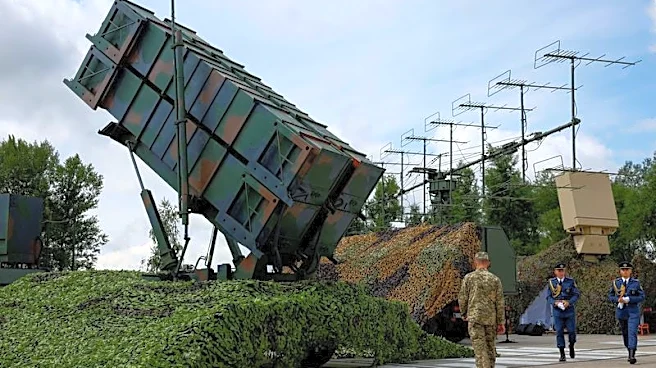
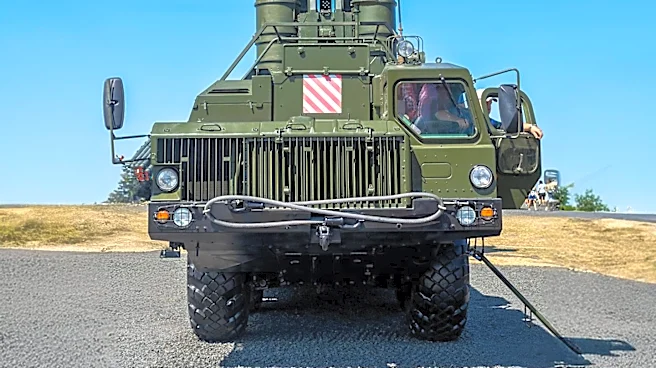
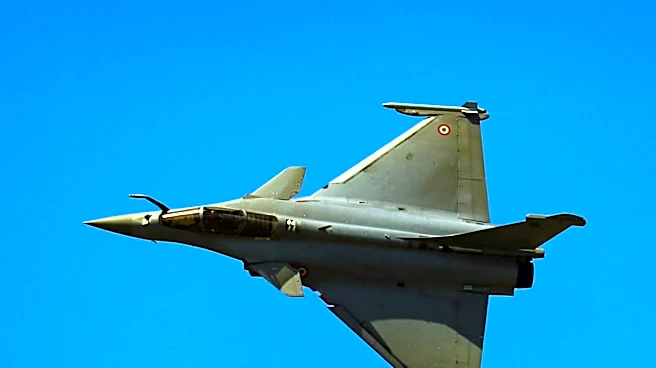
The Stockholm International Peace Research Institute (SIPRI) has reported a significant increase in arms imports by European countries, marking a 210% rise over the past five years. This surge has positioned Europe as the largest market for arms imports,
accounting for 33% of global military supply. The increase is attributed to the ongoing Ukraine crisis and extensive rearmament activities by NATO countries. Despite efforts to expand domestic production, European NATO members have seen a 143% increase in arms imports, with the United States remaining the primary supplier, providing 58% of these imports. The U.S. has also seen a 27% increase in its arms exports over the last five years, solidifying its leading position in the global arms market.
Why It's Important?
The rise in arms imports by European countries underscores a shift in global military dynamics, with Europe becoming a central player in the arms market for the first time since the 1960s. This development reflects heightened security concerns in the region, particularly due to the Ukraine crisis, and the strategic importance of NATO's rearmament efforts. The U.S.'s role as a major arms supplier to Europe highlights its influence in shaping the continent's defense capabilities. This trend could have significant implications for global security, as increased military capabilities in Europe may alter the balance of power and influence international relations.
What's Next?
As Europe continues to increase its arms imports, further developments in the region's security landscape are anticipated. NATO countries are likely to continue their rearmament efforts, potentially leading to increased military spending and further reliance on U.S. arms. The ongoing Ukraine crisis will remain a critical factor influencing these dynamics. Additionally, the U.S. may seek to strengthen its position as a key arms supplier, potentially impacting its diplomatic relations with European countries and other global powers.