



What's Happening?
Congressman Juan Vargas (CA-52) has played a key role in securing over $950,000 in federal funding for a significant water infrastructure upgrade project in National City. This funding, part of the FY 2024 federal budget, will support the National City Wells
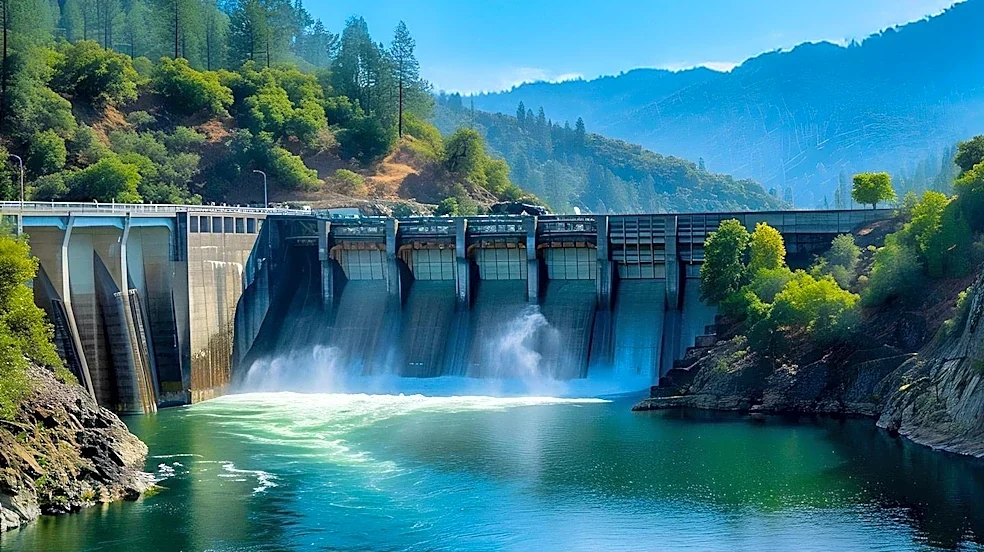
Iron and Manganese Removal System Project, which is nearing completion by Sweetwater Authority. The project aims to improve water quality by removing naturally occurring iron and manganese from groundwater before it enters the distribution system. Historically, Sweetwater Authority managed this issue through distribution-system flushing, but the new system will address the problem at its source. The total cost of the project, encompassing design, pilot testing, construction, and related expenses, is approximately $8.75 million. The federal appropriation secured by Congressman Vargas will help offset these capital costs, providing tangible benefits to residents in the South Bay by minimizing discolored water occurrences and reducing the need for frequent system flushing.
Why It's Important?
This federal funding is crucial for enhancing public health and quality of life for residents in National City and the broader South Bay area. By addressing the issue of iron and manganese in the water supply at the source, the project ensures a more reliable and higher-quality drinking water supply. This proactive investment in water infrastructure reduces the operational burden on Sweetwater Authority, as it minimizes the need for extensive distribution-system flushing, which can be costly and disruptive. Furthermore, it strengthens the ability of Sweetwater Authority to utilize a vital local groundwater resource effectively. The project underscores the importance of federal investment in local infrastructure, demonstrating how such allocations can directly translate into improved essential services for communities, fostering long-term sustainability and public confidence in local utilities.
What's Next?
With the National City Wells Iron and Manganese Removal System Project nearing completion, the immediate next step will be the full operationalization of the new treatment system. Sweetwater Authority will likely monitor the system's performance closely to ensure it effectively reduces iron and manganese levels and minimizes water discoloration events. The successful implementation of this project could serve as a model for other communities facing similar water quality challenges, potentially encouraging further federal and local investments in advanced water treatment technologies. Local residents can expect to experience improved water quality and fewer instances of discolored water, leading to increased satisfaction with their municipal water services. Continued collaboration between federal representatives like Congressman Vargas and local water authorities will be essential for identifying and funding future infrastructure needs.
Beyond the Headlines
Beyond the immediate benefits of cleaner water, this project highlights a broader trend of increasing focus on resilient and sustainable water infrastructure in the U.S., particularly in regions facing environmental challenges or aging systems. The investment in removing naturally occurring minerals reflects a commitment to proactive water management rather than reactive solutions. This approach can lead to long-term cost savings by preventing more severe infrastructure degradation and reducing maintenance requirements. Ethically, ensuring access to high-quality drinking water is a fundamental public service, and federal support for such projects reinforces this principle. Environmentally, optimizing the use of local groundwater resources reduces reliance on external water sources, contributing to regional water security and sustainability in the face of climate change and population growth pressures.