


What's Happening?
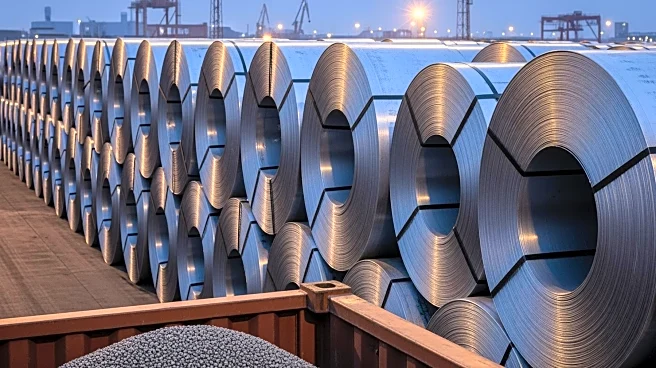
India is set to initiate discussions with Argentina, Indonesia, and Oman to secure increased supplies of raw materials essential for steel production, including coking coal and iron ore. These talks are scheduled to commence next month at the Bharat Steel
2026 conference. As the world's second-largest steel producer, India relies heavily on imports for stainless steel production, with Indonesia being a key supplier due to its vast nickel ore reserves. Additionally, India imports significant quantities of iron ore from Oman and Brazil, having recently expanded cooperation in the mining sector with Brazil. The Indian government aims to ensure stable supplies of critical materials like lithium and cobalt to support its steel production and transition to cleaner energy. The country also plans to diversify its export markets to Asia and the Middle East, countering the effects of the European Union's Carbon Border Adjustment Mechanism (CBAM).
Why It's Important?
The strategic move to secure raw materials is crucial for India's steel industry, which faces challenges due to domestic shortages and geopolitical tensions affecting gas supplies. By diversifying its import sources, India aims to stabilize its steel production and meet growing domestic demand. This initiative is significant for the U.S. as it may influence global steel prices and trade dynamics, potentially affecting American steel exports. Furthermore, India's efforts to diversify export markets could alter trade patterns, impacting U.S. steel producers who compete in these regions. The focus on cleaner energy aligns with global sustainability goals, potentially setting a precedent for other nations to follow.
What's Next?
India's upcoming talks with Argentina, Indonesia, and Oman could lead to new trade agreements, enhancing its raw material supply chain. The outcomes of these discussions may influence global steel market dynamics, affecting prices and availability. Stakeholders in the U.S. steel industry will likely monitor these developments closely, as shifts in India's import and export strategies could impact American steel exports and market competition. Additionally, India's focus on cleaner energy may prompt further international collaborations in sustainable practices.