
What's Happening?
The Mieroszewski Centre and the Ukrainian Institute organized the sixth study visit for Polish journalists to Kyiv from November 2 to 6, 2026. The visit aimed to provide Polish media representatives with firsthand insights into the situation in Ukraine
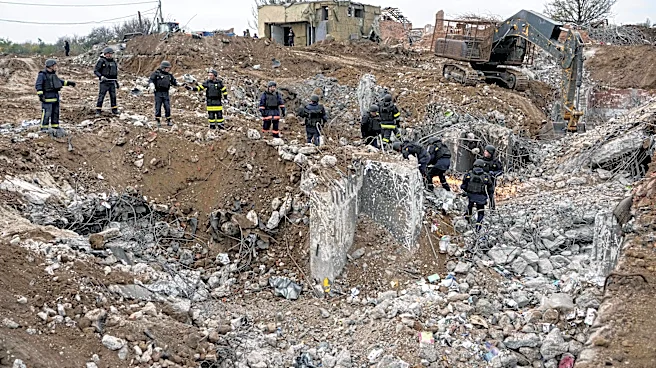
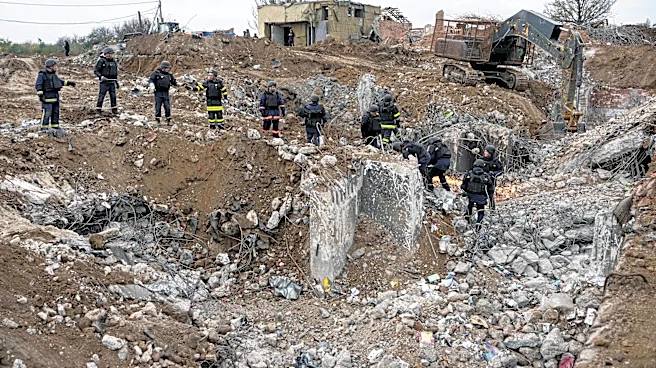
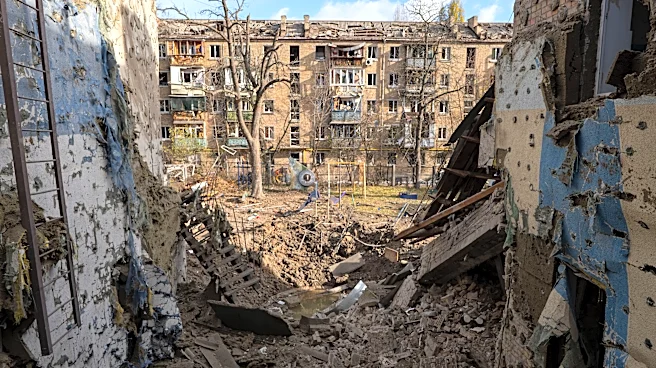
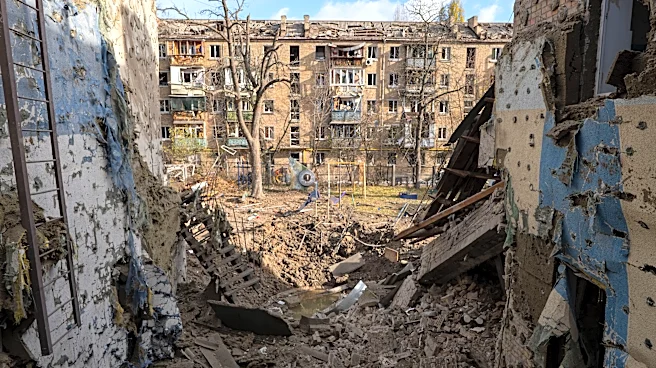
and Ukrainian perspectives on key issues affecting Polish-Ukrainian relations. The program included meetings with Ukrainian government officials, representatives of public institutions, and civil society organizations, as well as visits to towns affected by Russian occupation, such as Irpin, Bucha, and Borodianka. Discussions focused on Ukraine's security situation, Russian attacks on energy infrastructure, humanitarian challenges, and prospects for Polish-Ukrainian cooperation in defense, economic affairs, and foreign policy. History and historical memory, including ongoing search and exhumation efforts and archival cooperation, were also significant topics, addressing challenges arising from differing perceptions of their shared past.
Why It's Important?
This study visit is crucial for fostering dialogue and mutual understanding between Poland and Ukraine, particularly given the complexities of their shared history and the ongoing conflict in Ukraine. By exposing Polish journalists to Ukrainian perspectives and the realities on the ground, the initiative aims to inform public debate in Poland and counter potential misinformation. Improved understanding among media professionals can lead to more nuanced and accurate reporting, which is vital for maintaining strong bilateral relations and public support for Ukraine. The discussions on security, humanitarian aid, and economic cooperation underscore the strategic importance of the Polish-Ukrainian partnership in the face of Russian aggression. Addressing historical memory, even with differing viewpoints, is essential for building a resilient and forward-looking relationship, impacting regional stability and European security.
What's Next?
The Mieroszewski Centre plans to share materials produced by the participating journalists as they are published, which will disseminate Ukrainian perspectives more widely within Poland. This increased media coverage and informed public discourse could contribute to a more robust and unified Polish-Ukrainian stance on critical issues. Continued dialogue and exchanges between Polish and Ukrainian opinion leaders are expected, potentially leading to further collaborative initiatives. The insights gained from this visit may also influence policy discussions in Poland regarding support for Ukraine, particularly concerning defense, economic aid, and humanitarian assistance. The ongoing efforts to address historical differences through dialogue and cooperation will be vital for strengthening the long-term strategic partnership between the two nations.
Beyond the Headlines
The study visit highlights the critical role of media and civil society in shaping international relations, especially during times of conflict. Beyond official diplomatic channels, direct engagement between journalists and local communities provides a human dimension to geopolitical events, fostering empathy and challenging preconceived notions. The focus on historical memory, alongside contemporary security concerns, illustrates that past grievances can significantly influence present-day alliances and future cooperation. This initiative serves as a model for how countries can navigate complex bilateral relationships by promoting informed public discourse and direct cultural exchange. The experiences shared by war veterans and residents of occupied towns offer powerful narratives that can transcend political rhetoric, emphasizing the human cost of conflict and the importance of international solidarity.