









What's Happening?
Starting July 1, a new federal initiative called the Medicare GLP-1 Bridge program will offer millions of Medicare-qualifying adults access to popular weight-loss medications at significantly reduced prices. This temporary program aims to provide medications such
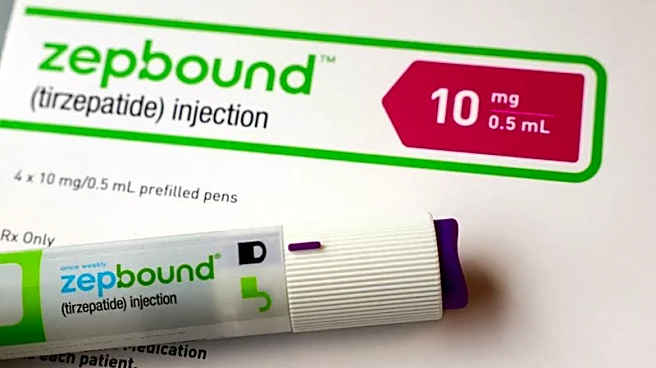
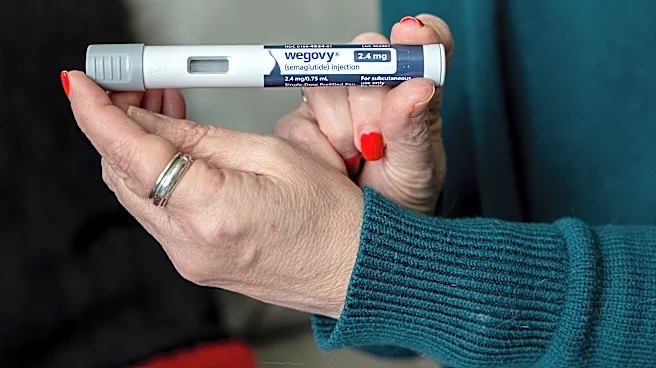
as semaglutide (Wegovy), tirzepatide (Zepbound), and orforglipron (Foundayo) for $50 per month to eligible participants. To qualify, individuals must be 18 or older, enrolled in Medicare Part D, and meet specific health criteria, including a BMI of 35 or higher or a BMI between 27 and 34.9 with obesity-related health complications. The program is a pilot test by the US Centers for Medicare and Medicaid Services to evaluate whether these medications can improve health outcomes and reduce costs associated with obesity-related diseases.
Why It's Important?
The introduction of the Medicare GLP-1 Bridge program is significant as it addresses the growing issue of obesity among older adults, which has doubled since the late 20th century. Obesity is a major contributor to various age-related diseases, including heart disease, diabetes, and arthritis. By making weight-loss medications more accessible, the program could potentially improve health outcomes for millions of seniors, reducing the prevalence of these conditions. Additionally, the program could lead to cost savings for Medicare by decreasing the need for treatments related to obesity-driven diseases. However, the high cost of these medications has been a barrier, especially for seniors on fixed incomes, making this program a crucial step in increasing accessibility.
What's Next?
The Medicare GLP-1 Bridge program will run through December 2027, during which time its effectiveness and impact on health outcomes and costs will be evaluated. If successful, it could lead to permanent changes in Medicare coverage policies regarding weight-loss medications. Medical experts emphasize the importance of monitoring and managing potential side effects, particularly in older adults, and recommend that participants engage in resistance exercises to maintain muscle mass. The program's success will depend on participation rates and the ability to manage side effects effectively, which could influence future healthcare policies and the broader adoption of weight-loss medications.
Beyond the Headlines
The program raises ethical and medical considerations, such as the balance between accessibility and the potential over-reliance on medications for weight management. There is also a need to address the root causes of obesity through lifestyle changes and preventive measures. The initiative highlights the ongoing debate about the role of pharmaceuticals in managing chronic conditions and the importance of comprehensive healthcare strategies that include both medical and lifestyle interventions.