



What's Happening?
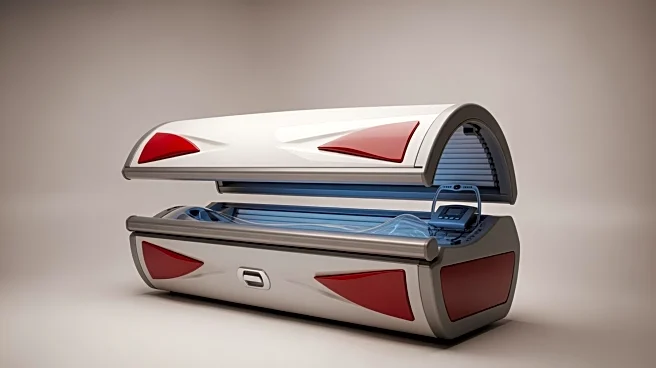
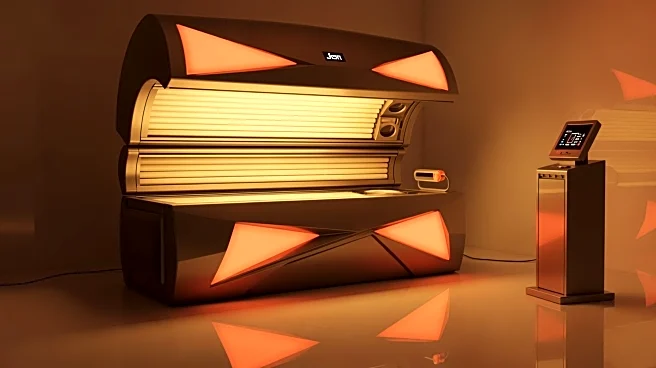
The FDA has withdrawn a proposed rule that would have banned individuals under 18 from using tanning beds. Initially proposed in 2015, the rule aimed to protect minors from the harmful effects of UV radiation, which is linked to skin cancer. The decision
to withdraw the proposal follows over 8,100 public comments, highlighting concerns about UV radiation risks, personal choice, and business compliance burdens. Despite acknowledging the link between tanning beds and skin cancer, the FDA plans to reconsider the best approach to address these issues.
Why It's Important?
The FDA's decision to withdraw the proposed ban raises concerns among health professionals about the potential increase in skin cancer risk among minors. Tanning beds are classified as a group 1 carcinogen, and their use significantly increases the likelihood of developing skin cancer. The withdrawal may send mixed messages to the public about the dangers of tanning beds, potentially undermining public health efforts to reduce skin cancer incidence. Dermatologists and health organizations express disappointment, emphasizing the need for protective measures for young people.
What's Next?
The FDA may explore alternative strategies to regulate tanning bed use and protect public health. Public health advocates and dermatologists are likely to continue lobbying for stricter regulations to prevent skin cancer. Educational campaigns may be intensified to raise awareness about the risks of tanning beds, particularly targeting minors and their parents. The tanning industry may also face increased scrutiny and calls for self-regulation to ensure consumer safety.