







What's Happening?
Latin America is experiencing a significant tourism boom, with international arrivals in South America increasing by 7% and Central America by 5% last year, both exceeding the global average. This surge, however, is leading to overtourism in several destinations,
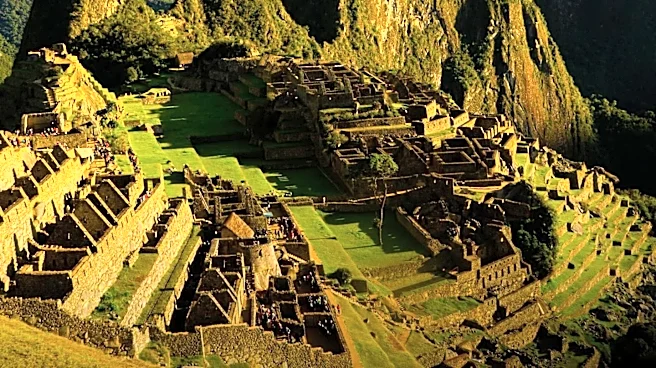
creating environmental and social challenges. For instance, Peru's Machu Picchu, an Inca citadel, attracts up to 5,600 visitors daily, with official watchdogs warning that more tickets are being sold than permitted, potentially endangering its UNESCO World Heritage status. In Ecuador, the Galapagos Islands doubled their entrance fee for foreign visitors to $200 in 2024 to protect their ecosystems, yet pressure for new hotel construction persists. Mexico City's neighborhoods like Roma and Condesa are seeing protests due to rising rents fueled by an influx of tourists and digital nomads. Experts suggest that while change is slow, a greater respect for local people and environments is crucial for sustainable tourism.
Why It's Important?
The rapid growth of tourism in Latin America, while economically beneficial, poses significant threats to the region's cultural heritage, natural environments, and local communities. The potential addition of sites like Machu Picchu to UNESCO's List of World Heritage in Danger highlights the risk of irreversible damage to invaluable historical and ecological treasures. The displacement of local residents due to rising rents, as seen in Mexico City, underscores the social equity issues arising from unchecked tourism development. This situation also raises questions about the distribution of tourism-generated wealth, with concerns that local communities often bear the brunt of negative impacts without fully benefiting financially. The push for sustainable travel, emphasizing community-based tourism and smaller group sizes, reflects a growing recognition that the long-term viability of these destinations depends on balancing economic gains with environmental and social responsibility.
What's Next?
The tourism industry in Latin America is at a crossroads, with a growing emphasis on shifting towards more sustainable and inclusive practices. Organizations like Planeterra are promoting community-based tourism, focusing on smaller group sizes and authentic experiences that connect visitors with local cultures. The UnTours Foundation's Reset Tourism Fund is working to provide accessible financing to local communities, empowering them to manage tourism development on their own terms. There is also a push for 'nature-positive' tourism, which supports conservation efforts like reforestation. The challenge lies in rethinking growth models, ensuring that communities have a say in how tourism develops in their areas, and that the economic benefits are distributed more equitably. The goal is to foster a tourism model where both visitors and locals benefit, and the unique character of destinations is preserved.
Beyond the Headlines
The overtourism phenomenon in Latin America reveals deeper ethical and cultural implications. It highlights the tension between economic development and the preservation of cultural identity and local ways of life. The commodification of heritage sites and local communities can erode authenticity and create a sense of displacement among residents. The protests in Mexico City and the concerns of residents in other affected areas underscore a fundamental question: who truly owns and benefits from these destinations? The shift towards community-based tourism and sustainable practices represents an attempt to re-center the narrative around local empowerment and cultural respect. This movement suggests a broader societal recognition that tourism, when managed responsibly, can be a force for positive change, fostering cross-cultural understanding and economic opportunity without sacrificing the integrity of the places and people it impacts.