
What's Happening?
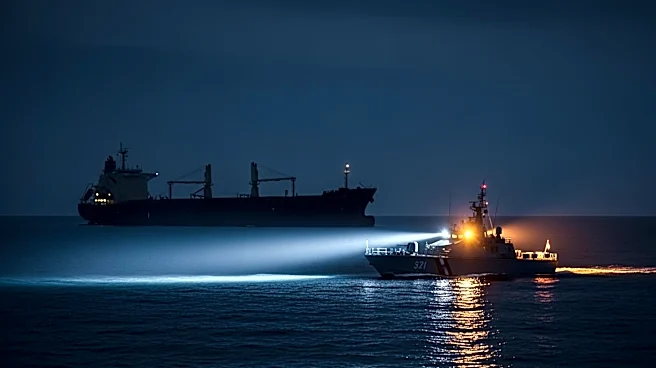
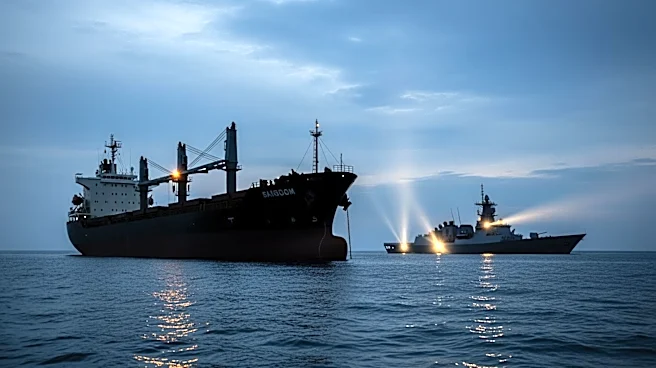
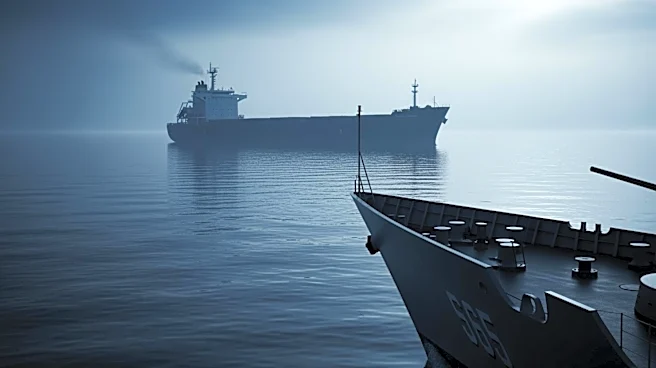
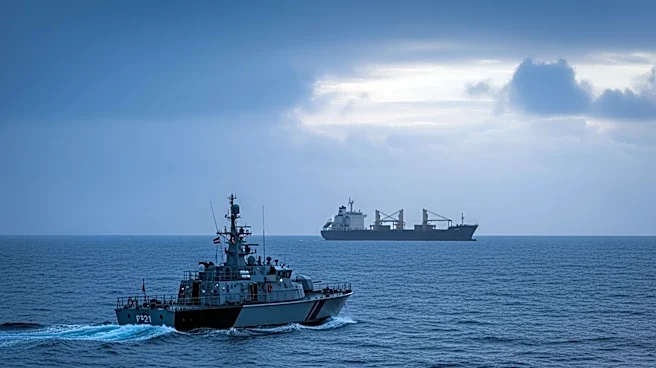
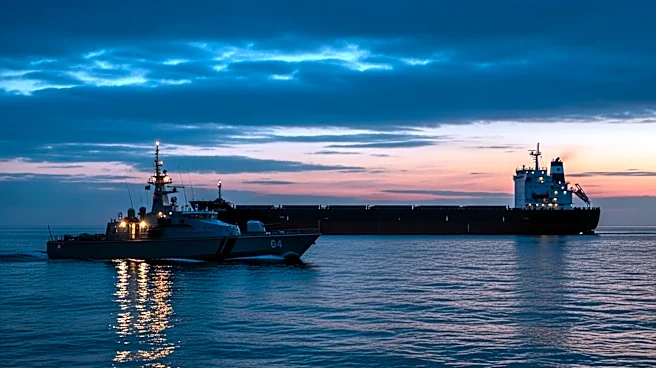
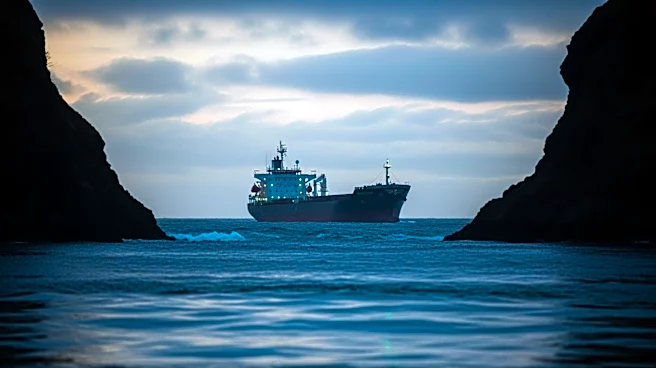
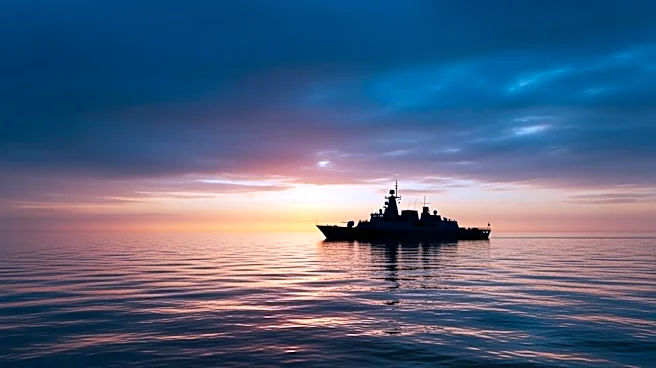
US Marines have taken control of an Iranian-flagged vessel, the Touska, which attempted to breach a US blockade in the Gulf. The operation involved Marines from the USS Tripoli, who rappelled onto the ship after the USS Spruance disabled its propulsion.
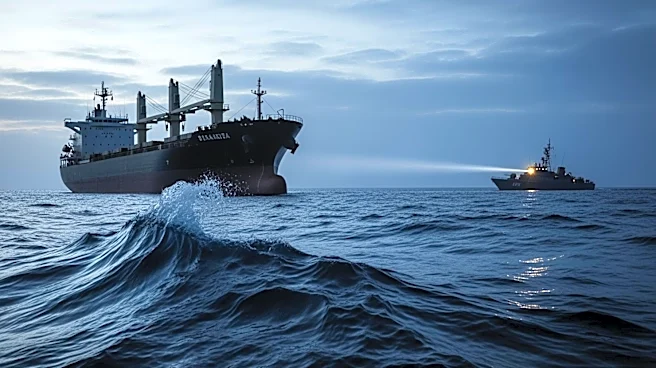
The Touska was intercepted while trying to enter the Arabian Sea, following a six-hour standoff where it ignored repeated warnings from US forces. This marks the first instance of the US seizing an Iranian tanker since the blockade was established. President Trump praised the operation, highlighting the enforcement of sanctions against the vessel due to its history of illegal activities.
Why It's Important?
The seizure of the Iranian vessel underscores escalating tensions between the US and Iran, particularly in the strategically vital Gulf region. The blockade and subsequent enforcement actions could have significant implications for global oil markets, as the Strait of Hormuz is a critical chokepoint for oil shipments. The incident may further strain US-Iran relations and could lead to retaliatory measures from Iran, potentially impacting international diplomatic efforts and regional stability. The blockade and Iran's response have already disrupted shipping routes, contributing to rising fuel prices worldwide.
What's Next?
The US and Iran are likely to face increased diplomatic challenges as the blockade continues. Iran has condemned the seizure as an act of aggression, which may lead to further confrontations or negotiations. The expiration of the cease-fire, as mentioned by President Trump, could result in heightened military activities or diplomatic interventions. Stakeholders, including global oil markets and international diplomatic entities, will be closely monitoring the situation for any developments that could affect regional security and economic stability.