









What's Happening?
A recent report by Concentric Energy Advisors emphasizes the critical role of the U.S. electric grid in sustaining national security and economic prosperity. The report highlights the need for continuous investment in an interconnected and modernized
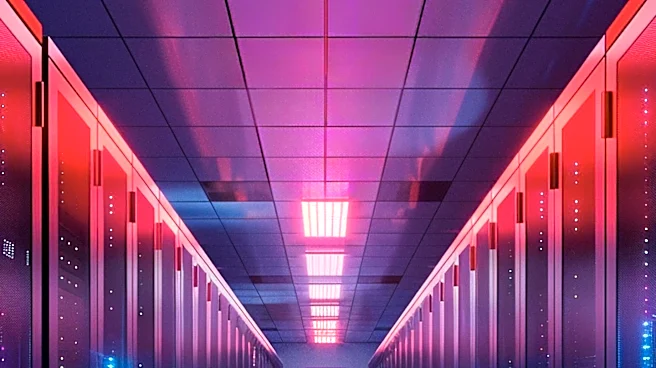
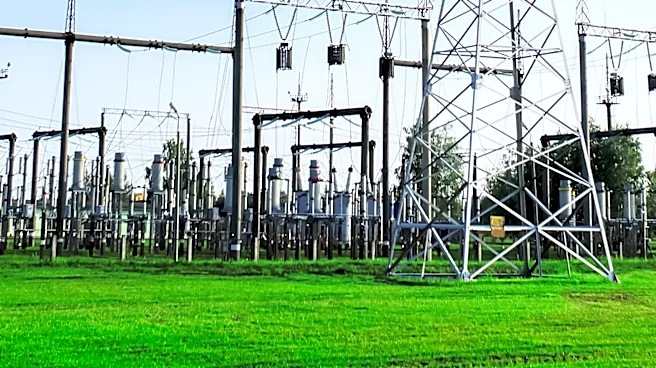
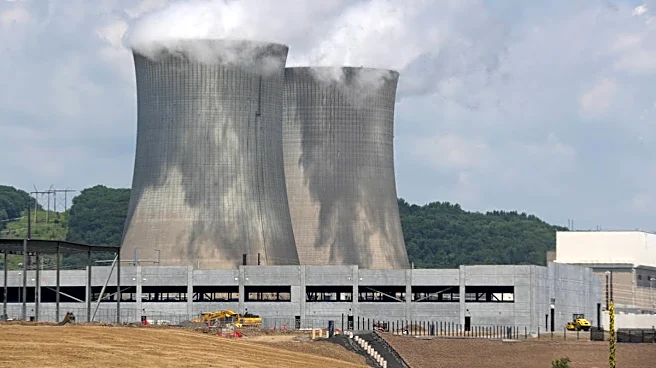
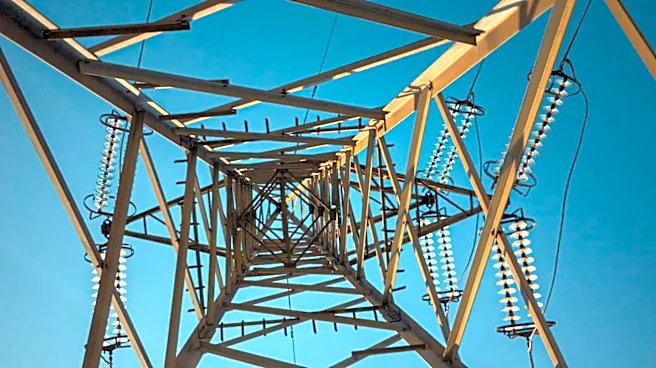
grid to meet the increasing electricity demand driven by technologies such as electric vehicles and data centers. The grid, which includes around 22,000 generators and 624,000 miles of high-voltage transmission lines, is under strain due to the retirement of coal and natural gas plants, extreme weather, and permitting delays. The report underscores the importance of connecting new large-scale electricity demands to the grid to manage costs and maintain reliability.
Why It's Important?
The U.S. electric grid is a strategic national asset that supports economic growth and national security. Its reliability is crucial for essential services like healthcare and defense. The report warns that off-grid alternatives could shift significant costs onto remaining customers, highlighting the economic benefits of a shared grid. Investments in grid modernization are necessary to handle increasing complexity and to keep energy prices reasonable. The grid's role as an economic backbone is vital, as it enables nearly all economic activities and helps avoid costly disruptions.
What's Next?
Utilities are expected to continue investing in grid-enhancing technologies to improve performance and reliability. The report suggests that every dollar invested in transmission infrastructure can save customers significantly in future system costs. As the demand for electricity grows, integrating new technologies and planning for future needs will be essential to maintaining the grid's role as a scalable and reliable platform for power delivery.