
What's Happening?
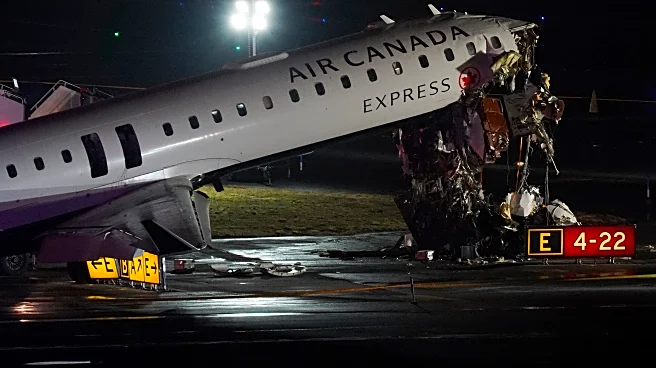
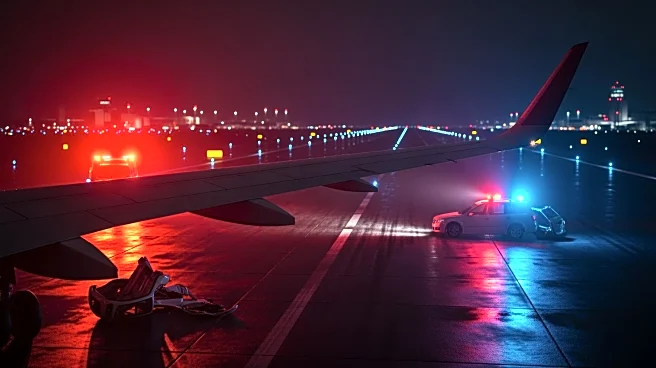
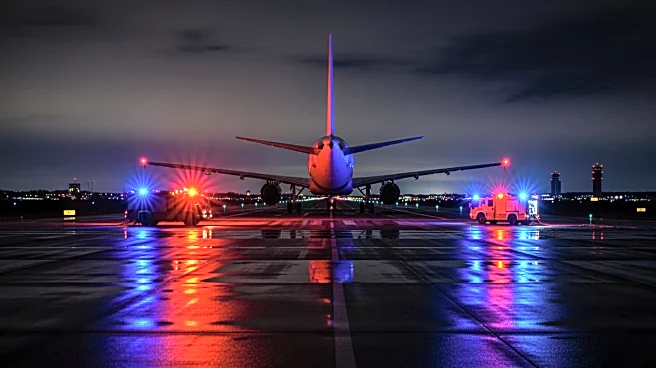
An Air Canada flight attendant, Solange Tremblay, survived a deadly crash at LaGuardia Airport after being ejected from the plane and thrown over 300 feet. The incident occurred when the aircraft collided with a fire truck on Runway 4. Tremblay, who was
found still strapped to her jump seat, suffered multiple injuries, including a broken leg. Remarkably, Tremblay had posted a social media message three years prior, expressing resilience and determination, which her daughter, Sarah Lépine, described as a premonition. The crash resulted in the deaths of both Air Canada pilots and injuries to dozens of passengers, crew members, and two police officers.
Why It's Important?
The survival of Solange Tremblay in such a catastrophic event highlights the unpredictable nature of aviation accidents and the importance of safety protocols. The incident underscores the critical role of emergency response and the resilience of individuals in life-threatening situations. For the aviation industry, this crash may prompt a review of safety measures and emergency procedures, particularly concerning runway operations and aircraft collision avoidance. The emotional and physical recovery of survivors like Tremblay will be closely monitored, as their experiences can provide valuable insights into improving passenger safety and support systems.
What's Next?
In the aftermath of the crash, investigations will likely focus on the circumstances leading to the collision with the fire truck. Authorities may examine air traffic control communications, runway conditions, and the actions of both the flight crew and ground personnel. The findings could lead to changes in airport safety protocols and training programs for emergency responders. Additionally, Air Canada and other airlines may review their safety procedures to prevent similar incidents. Survivors and families of the victims may seek legal recourse, potentially influencing future aviation policies and compensation frameworks.