



What's Happening?
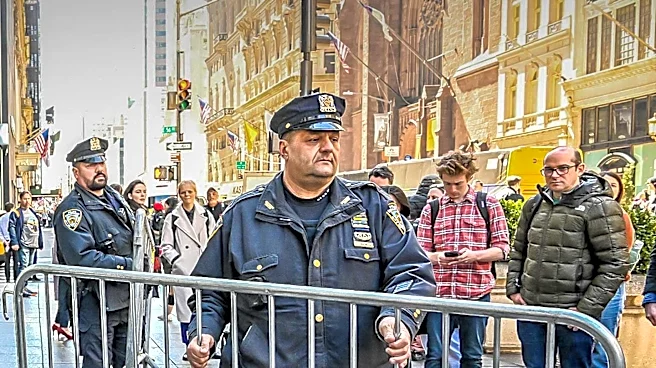
The New York City Council's Committee on Public Safety held an oversight hearing to scrutinize the NYPD's crime data collection methods and resource allocation. This comes as the NYPD has consistently reported significant declines in major crime rates.
NYPD Inspector William Haut and Deputy Commissioner of Legal Matters Michael Gerber testified, but the absence of Police Commissioner Jessica Tisch and other senior police chiefs drew criticism from Council Member Frank Morano. Council members, including Oswald Feliz, Phil Wong, Sandy Nurse, Kamillah Hanks, Joann Ariola, Public Advocate Jumaane Williams, and Tiffany Cabán, raised concerns about the accuracy and completeness of the data. Cabán specifically questioned whether police brutality and excessive force incidents are included in the crime statistics, arguing their exclusion could obscure the full picture of crime. While Gerber stated crimes committed by officers are counted, lawful use of force is not.
Why It's Important?
The City Council's inquiry into NYPD crime statistics is crucial for ensuring transparency and accountability in public safety reporting. Accurate crime data is fundamental for effective policymaking, resource allocation, and building public trust. If the data is perceived as incomplete or misleading, it can undermine public confidence in law enforcement and the city's safety initiatives. The debate over the inclusion of police brutality in crime statistics highlights a broader tension between law enforcement's internal accountability and public perception of justice. Public Advocate Jumaane Williams's comment, "New Yorkers don't feel as safe as they are," underscores a disconnect between official statistics and lived experiences, which can have significant social and political ramifications. This oversight hearing is vital for addressing these discrepancies and ensuring that the NYPD's reporting truly reflects the city's crime landscape.
What's Next?
The City Council's committee will likely continue its oversight of the NYPD's data collection and reporting practices. Further hearings or investigations could be initiated to delve deeper into the concerns raised, particularly regarding the classification of crimes and the inclusion of police misconduct. The NYPD may face pressure to review and potentially revise its data methodologies to address the council's criticisms and improve transparency. This could lead to changes in how crime statistics are compiled and presented to the public. The ongoing dialogue between the City Council and the NYPD will be critical in shaping future public safety strategies and ensuring that resources are allocated effectively to address both reported crime and underlying social issues. The public's perception of safety and trust in the police department will largely depend on the outcomes of these discussions and any subsequent reforms.
Beyond the Headlines
This scrutiny of NYPD crime statistics touches upon deeper societal issues beyond mere numbers. It highlights the complex relationship between official data, public perception, and the lived realities of communities, particularly in areas like the Bronx, where crime patterns are a significant concern. The discussion about socioeconomic factors contributing to crime, acknowledged by both Council Member Cabán and Deputy Commissioner Gerber, points to the need for a holistic approach to public safety that extends beyond policing. It underscores the importance of addressing root causes such as economic disparities and lack of opportunity. The debate also raises ethical questions about what constitutes 'crime' in official statistics and whether the actions of law enforcement officers should be subject to the same statistical scrutiny as civilian offenses. This ongoing dialogue could influence broader criminal justice reform efforts, pushing for a more comprehensive understanding of safety and justice in urban environments.