




What's Happening?
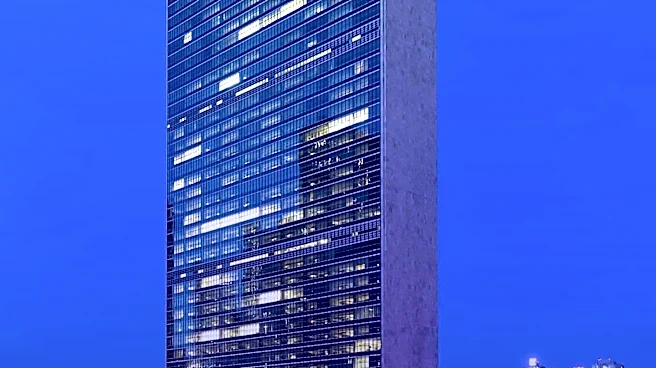
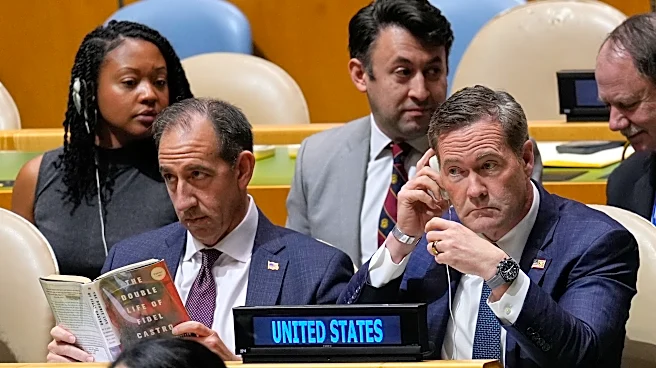
Foreign Policy Talks recently hosted a monthly discussion focusing on the future of the United Nations, particularly in light of the upcoming Secretary-General leadership transition in 2027. The conversation, moderated by Venus Janelle Samonte, a Board
Member of Foreign Policy Talks, featured Jack Huang, Senior Consultant to the United Nations, and Calvin Khoe, Conference Director at the Conference on Indonesian Foreign Policy. Key themes included the political limitations of international organizations, with an emphasis on member states' willingness to cooperate. The discussion also addressed the persistent deadlock surrounding UN Security Council reform, noting that its current structure does not reflect contemporary global power dynamics. Furthermore, the growing influence of private actors in shaping global challenges, such as carbon emissions and Sustainable Development Goals, was highlighted. The rapid development of artificial intelligence and the fragmentation of technology industries were identified as new challenges for international cooperation, testing the UN's ability to establish effective AI governance frameworks.
Why It's Important?
The discussion underscores the critical juncture the United Nations faces as it approaches a significant leadership change. The effectiveness and legitimacy of the UN are under scrutiny, particularly as middle powers increasingly shift financial and political support to more agile multilateral institutions. The inability to reform the UN Security Council, despite broad recognition of its outdated structure, reflects deep-seated political challenges and competing national interests. This has direct implications for global governance, as the UN's capacity to address pressing issues like climate change, technological advancements, and international security is hampered. The growing role of private actors and the complexities introduced by AI and fragmented technology supply chains mean that traditional state-centric approaches to global problem-solving may no longer be sufficient, potentially leading to a less coordinated international response to shared challenges.
What's Next?
The 2027 leadership transition for the UN Secretary-General presents a crucial opportunity for institutional reform. The discussion emphasized that the future of the UN will depend on more than just the incoming leader, requiring a concerted effort to address political deadlock and strengthen cooperation with regional institutions. The UN's ability to adapt to emerging global challenges, including establishing effective AI governance frameworks and preventing technological competition from exacerbating global divisions, will be a significant test of its relevance. Stakeholders, including member states, private actors, and regional organizations, will need to engage in meaningful dialogue and compromise to ensure the UN remains capable of delivering effective, representative, and accountable global governance in an evolving international order.
Beyond the Headlines
The challenges discussed at the Foreign Policy Talks event point to a broader shift in the landscape of global governance. The increasing influence of private actors and the rapid pace of technological change, particularly in AI, suggest that the traditional model of international cooperation, largely centered around nation-states, may be becoming obsolete. The UN's struggle to adapt raises fundamental questions about the future of multilateralism and the mechanisms through which global challenges will be addressed. The ethical and legal implications of AI governance, for instance, extend beyond national borders and require a coordinated international response that the current UN structure may not be equipped to provide. This could lead to a more fragmented and less equitable global order if these issues are not effectively managed.