






What's Happening?
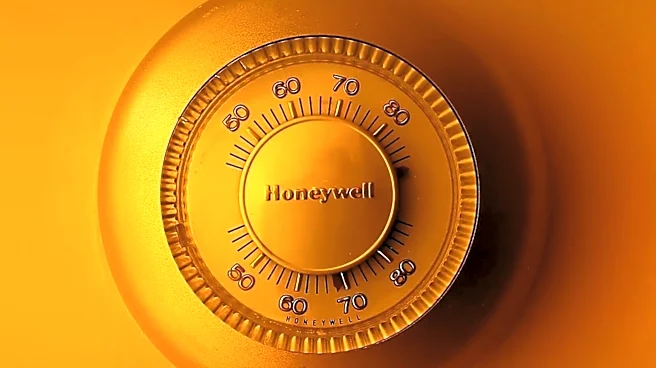
New York Mayor Zohran Mamdani has advised residents to set their thermostats to 78 degrees Fahrenheit to conserve energy during a record-breaking heatwave. This recommendation aims to prevent strain on the electric grid, which is working overtime to keep
the city cool. The suggestion has sparked political controversy, with critics mocking the mayor's advice as impractical, especially for vulnerable populations. The Department of Energy's removal of web pages that previously recommended similar energy-saving measures has added to the political tension. Historically, the 78-degree guideline has been endorsed by organizations like Energy Star and was first mandated by President Jimmy Carter during an energy crisis in 1979.
Why It's Important?
The debate over thermostat settings highlights the broader issue of energy conservation during extreme weather conditions. As climate change leads to more frequent and severe heatwaves, managing energy consumption becomes crucial to prevent blackouts and protect public health. The political controversy underscores the challenges of implementing energy-saving measures that balance comfort and safety. The situation also reflects the ongoing tension between government recommendations and public acceptance, particularly when such measures are perceived as inconvenient or insufficiently justified.
What's Next?
The political fallout from the thermostat recommendation may lead to further discussions on energy policy and grid management. Stakeholders, including government agencies and energy providers, may need to enhance communication strategies to gain public support for energy conservation measures. Additionally, the controversy could prompt a review of the Department of Energy's public information practices, especially regarding the removal of energy-saving guidelines from its website.