






What's Happening?
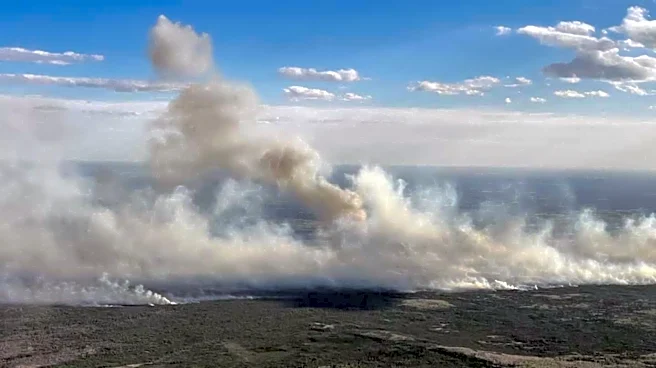
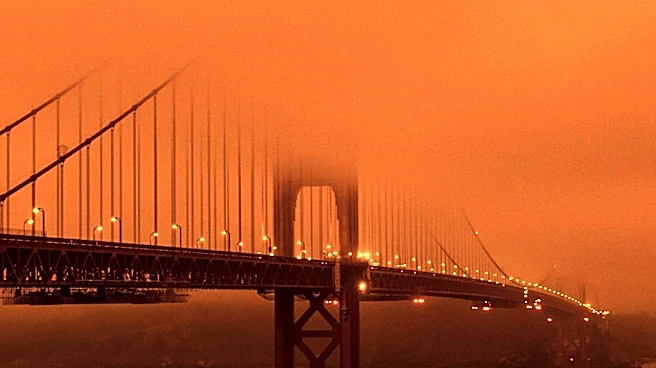
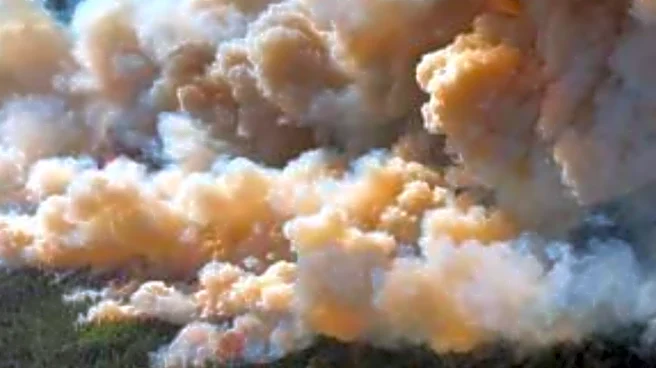
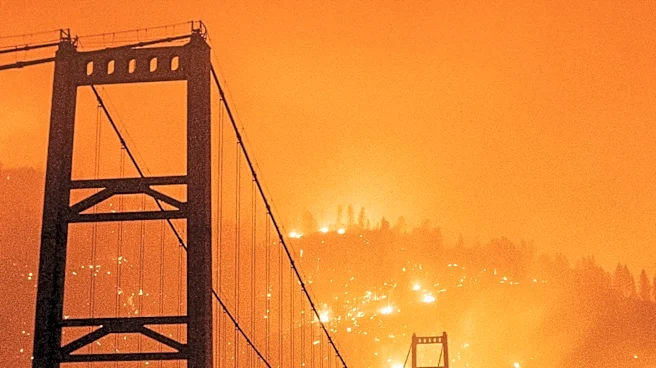
Smoke from wildfires in south-central Canada has spread across the United States, leading to air quality alerts in over 20 states. The smoke has resulted in unhealthy air conditions, particularly affecting areas like Pennsylvania, New York, Ohio, and
Michigan. In New York City, officials have extended heat emergency plans and opened cooling centers to help residents cope with the combined effects of high temperatures and poor air quality. The situation has prompted authorities to advise residents, especially those with health vulnerabilities, to stay indoors and limit outdoor activities.
Why It's Important?
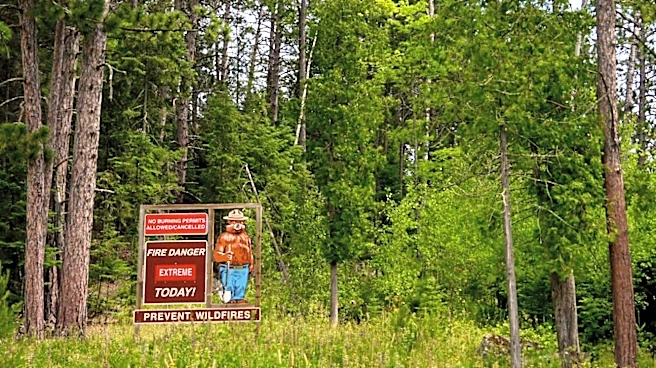
The widespread air quality deterioration poses significant health risks to millions of Americans, particularly those with respiratory conditions, the elderly, and children. The situation highlights the interconnectedness of environmental issues across borders, as Canadian wildfires impact air quality in the US. This event underscores the need for robust emergency response plans and public health advisories to mitigate the effects of such environmental crises. It also raises awareness about the broader implications of climate change, which is expected to increase the frequency and intensity of wildfires.
What's Next?
Authorities are closely monitoring air quality levels and have issued advisories for residents to take precautions. The situation is expected to persist, with forecasts indicating that smoky conditions may continue into the weekend. In response, officials are distributing masks and providing resources to help residents protect themselves. The ongoing situation may prompt discussions on improving cross-border collaboration in managing environmental crises and enhancing public health infrastructure to better respond to such events.