
What's Happening?
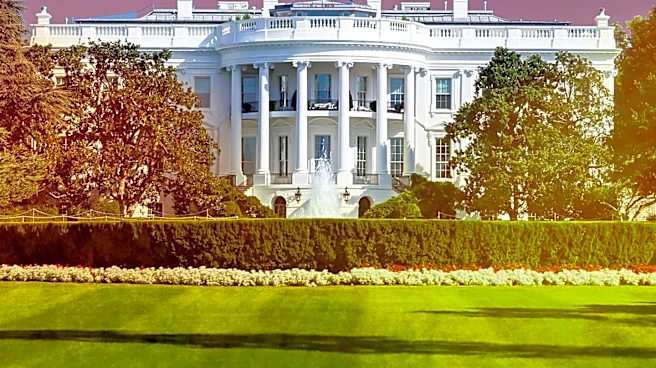
Since early 2025, the Trump administration has implemented substantial tariffs on Brazilian goods, including a 10% tariff as part of country-specific reciprocal tariffs. These actions are part of broader
trade measures taken by the administration, which also include sanctioning a Brazilian Supreme Court justice under the Global Magnitsky Act and initiating a Section 301 investigation into Brazil for alleged unfair trade practices, specifically scrutinizing the country's Pix payment system. Additionally, on May 28, 2026, the United States announced intentions to designate two Brazilian criminal groups as Foreign Terrorist Organizations. These measures have contributed to a significant shift in Brazil's trade relations, with the U.S. share of Brazilian exports falling to its lowest level since 1997 in the first half of 2026, while China has expanded its lead as Brazil's primary trading partner. Brazil formally initiated international trade consultations with the WTO on July 30, challenging the U.S.'s use of Section 301 to impose what it considers excessive tariffs. Furthermore, on August 4, the Trump administration revoked the visa of Brazil's ambassador to the U.S., escalating diplomatic tensions.
Why It's Important?
These actions by the Trump administration carry significant geopolitical and economic implications, particularly for Brazil and the broader Latin American region. The imposition of tariffs and other punitive measures is pushing Brazil economically and strategically closer to Beijing, potentially altering the balance of future U.S.-China rivalry in Latin America. The decline in the U.S. share of Brazilian exports and China's growing dominance as Brazil's top trading partner indicate a reorientation of trade flows and influence. This shift could weaken U.S. economic leverage in the region and strengthen China's position. The diplomatic disputes, including the revocation of the ambassador's visa, further strain relations between two historically significant partners. The outcome of Brazil's upcoming election on October 4 is therefore imbued with significant geopolitical weight, as it could determine the future trajectory of U.S.-China competition in the region and Brazil's alignment.
What's Next?
The ongoing international trade consultations initiated by Brazil with the WTO regarding the U.S.'s Section 301 tariffs will be a key development to watch. These consultations could lead to further legal challenges and potentially influence future trade policies. The diplomatic dispute, exacerbated by the visa revocation, suggests continued strained relations between the U.S. and Brazil, at least in the short term. The upcoming Brazilian election on October 4 will be crucial, as its outcome could significantly impact Brazil's foreign policy and trade alignment, potentially solidifying its economic and strategic pivot towards China or leading to a re-evaluation of its international partnerships. The U.S. may continue to employ various strategies, including sanctions and trade investigations, to counter what it perceives as unfair trade practices or to influence geopolitical alignments in Latin America.
Beyond the Headlines
The Trump administration's strategy in Latin America, characterized by tariffs, sanctions, and diplomatic pressure, appears to be an attempt to exert influence and counter the growing presence of China. However, this approach risks inadvertently pushing countries like Brazil further into China's economic and strategic orbit. The use of trade measures and diplomatic tools as a 'wedge strategy' to prevent or weaken alliances, as described by historian Niall Ferguson, highlights a broader shift in international relations. The long-term implications could include a more multipolar global trade system, where traditional alliances are re-evaluated based on economic incentives and perceived national interests. The scrutiny of Brazil's Pix payment system also touches upon the broader theme of digital sovereignty and the control of financial infrastructure in an increasingly digital world, raising questions about data privacy, financial security, and the influence of foreign powers over national economic systems.