






What's Happening?
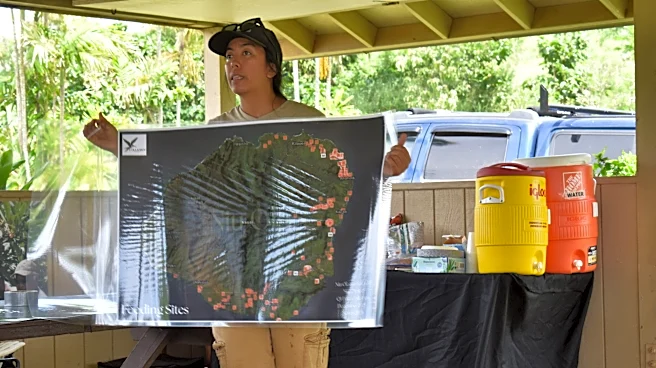
Moloka'i is facing an emergency response situation following the detection of Coconut rhinoceros beetles (CRB), which pose a significant threat to local agriculture and ecosystems. Lori Buchanan, coordinator of the Moloka'i subcommittee of the Maui Invasive
Species Committee (MoMISC), is leading efforts to address the infestation. The beetles, first detected on Moloka'i in early April, are known for their destructive impact on palms and other plants. MoMISC has increased its monitoring efforts, deploying additional traps and collaborating with state and local agencies to prevent the beetles from establishing breeding sites. The community is urged to report sightings to aid in early detection and control measures.
Why It's Important?
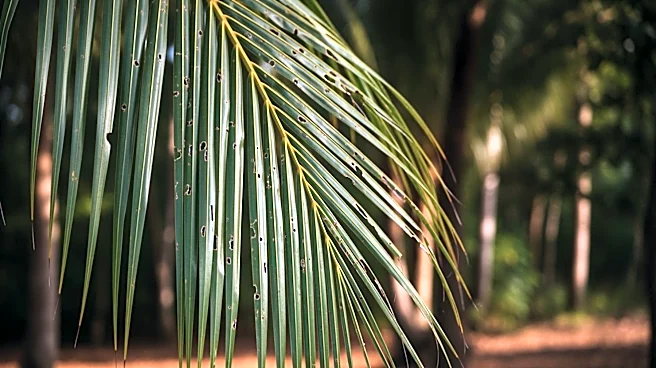
The presence of CRB on Moloka'i threatens the island's subsistence lifestyle and agricultural integrity, as the beetles can devastate coconut palms and other vital crops. The situation highlights the broader issue of invasive species management in Hawaii, where unique ecosystems are vulnerable to external threats. Effective response and containment are crucial to prevent long-term ecological damage and economic losses. The mobilization of resources and community involvement are essential in safeguarding Moloka'i's natural resources and maintaining the island's agricultural productivity.
What's Next?
MoMISC plans to expand its crew and infrastructure to enhance its capacity to tackle the CRB threat. The team will continue to monitor traps and collaborate with agencies like the state Department of Agriculture and Biosecurity to identify and eliminate breeding sites. Community engagement and reporting are critical components of the response strategy, with residents encouraged to check for larvae and report any findings. The ongoing efforts aim to prevent the establishment of CRB populations and protect Moloka'i's agricultural and ecological health.
Beyond the Headlines
The CRB emergency response on Moloka'i underscores the importance of proactive invasive species management and the challenges faced by small communities in addressing environmental threats. The situation also highlights the need for robust infrastructure and support systems to respond effectively to such emergencies. The collaboration between local agencies and the community serves as a model for addressing invasive species issues, emphasizing the role of early detection and public awareness in preventing ecological damage.