







What's Happening?
Indoor air quality (IAQ) is a significant concern for residential buildings, particularly during winter months when ventilation is often reduced. Key pollutants include formaldehyde, airborne particles from cooking, and gases from heating appliances.
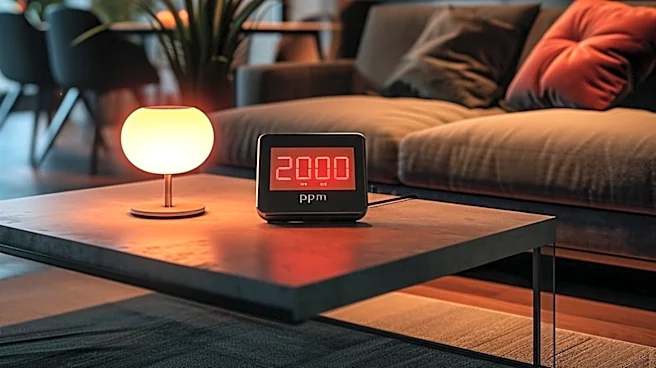
The U.S. Environmental Protection Agency (EPA) advocates for a three-pronged approach to IAQ management: controlling pollution sources, improving ventilation with cleaner outdoor air, and utilizing air filtration when appropriate. During winter, homes tend to have less fresh air circulation due to closed windows, allowing pollutants from daily activities like cooking, cleaning, and burning candles to accumulate. Heating systems can also recirculate indoor air, further trapping contaminants. Additionally, winter conditions can lead to fluctuating humidity levels, with some areas becoming excessively dry and others experiencing condensation, both of which can impact IAQ. Effective IAQ monitoring involves sensors for temperature, humidity, carbon dioxide (CO2), and particulate matter (PM2.5) to identify factors affecting health, comfort, and building performance. Air purifiers, especially those with HEPA filters, can help reduce airborne particles like dust, pet dander, and pollen, but they are not a substitute for proper ventilation or source control.
Why It's Important?
Maintaining good indoor air quality is crucial for public health, as poor IAQ can contribute to respiratory irritation and other health issues. The EPA's recommendations highlight the importance of proactive measures to mitigate exposure to indoor pollutants. For homeowners, understanding and implementing these strategies can lead to a healthier living environment and potentially reduce energy costs associated with inefficient heating and ventilation. Businesses, particularly property managers and commercial clients, also face challenges related to IAQ, including tenant complaints and code compliance. Accurate IAQ testing provides data to address these concerns, turning vague complaints into measurable readouts that can inform actionable solutions. The emphasis on source control, such as using kitchen exhaust fans and avoiding certain household products, underscores a shift towards preventing pollution rather than solely relying on filtration. This approach can lead to more sustainable and cost-effective long-term solutions for improving indoor environments across the U.S.
What's Next?
The ongoing focus on indoor air quality suggests a continued push for public awareness and the adoption of best practices in residential and commercial settings. Homeowners are encouraged to regularly check and maintain HVAC filters, with the EPA recommending MERV 13 rated filters or the highest efficiency rating a system can safely accommodate. The use of carbon monoxide alarms is critical for homes with fuel-burning appliances, as standard air purifiers do not detect this odorless, colorless gas. The increasing availability of smart home technology, including indoor air quality monitors, will likely empower individuals to track environmental conditions and make informed decisions about ventilation and filtration. These devices can help identify patterns of pollution and trigger automated responses from compatible air purifiers. However, consumers will need to be discerning, as the accuracy of these monitors can vary, and they are not a substitute for essential safety devices like carbon monoxide alarms. The integration of IAQ considerations into building design and maintenance will also likely expand, particularly in commercial and multi-tenant properties.
Beyond the Headlines
The discussion around indoor air quality extends beyond immediate health concerns to broader implications for building science, consumer behavior, and regulatory frameworks. The emphasis on source control highlights the need for manufacturers to develop and promote products with lower emissions of volatile organic compounds (VOCs) and other pollutants. The recommendation for proper ventilation, including the use of heat recovery ventilators (HRVs), points to a growing understanding of energy efficiency alongside air quality. This could drive innovation in HVAC systems that balance fresh air intake with minimal heat loss. Ethically, the responsibility for good IAQ is shared between individuals, who can adopt better habits, and industries, which can provide safer products and more effective solutions. The rise of IAQ monitoring also raises questions about data privacy and how personal environmental data might be used. Culturally, there's a shift towards viewing indoor spaces not just as shelters but as active environments that significantly impact well-being, potentially leading to more conscious choices in home design, product selection, and daily routines.