





What's Happening?
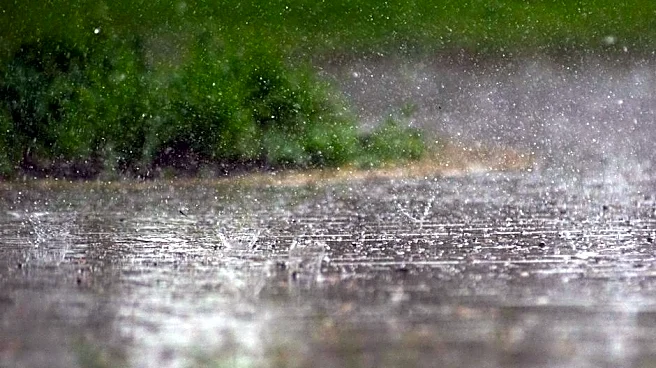
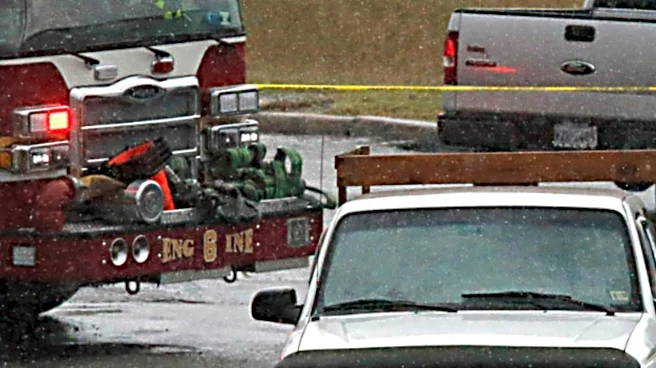
The Oklahoma City Fire Department (OKCFD) has issued a public caution following a surge in weather-related emergency calls on Wednesday due to heavy rainfall. The department reported responding to five water assists, 14 power line calls, 35 vehicle accidents,
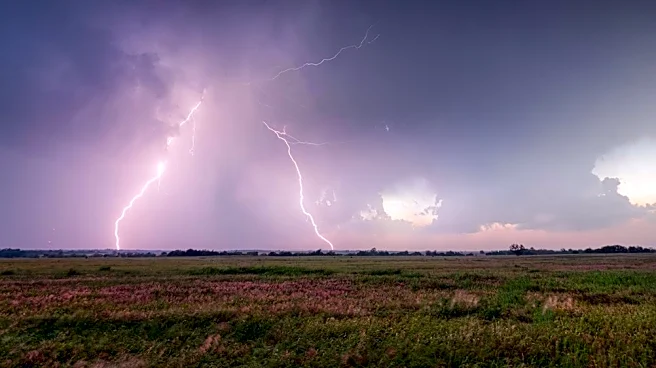
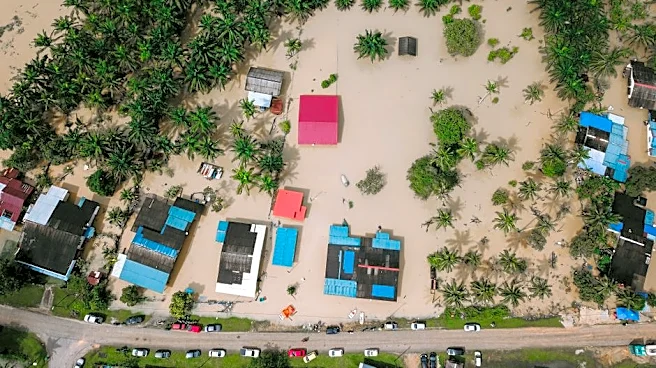
and two lightning strikes. Additionally, crews investigated a possible drowning, though the search was called off after first responders could not confirm anyone was in the water. A flood watch remains in effect for several counties across Oklahoma, including the Oklahoma City metropolitan area, until 1 p.m. on Thursday. Authorities emphasize the dangers of floodwater, warning that even shallow appearances can conceal significant risks like damaged or washed-away pavement. Residents are advised against driving through flooded roadways or around barricades and to keep children away from moving water in creeks and drainage channels. The OKCFD also urged caution around downed power lines, advising that they should always be assumed to be energized.
Why It's Important?
The significant number of emergency calls in Oklahoma City highlights the immediate and tangible impact of severe weather events on urban infrastructure and public safety. The 35 vehicle accidents reported underscore the direct threat to commuters and the potential for traffic disruptions, injuries, and property damage. The 14 power line calls indicate widespread power outages, affecting homes and businesses, and potentially disrupting essential services. The flood watch and the OKCFD's warnings about driving through floodwaters are critical for preventing further incidents, as flash floods can quickly turn roadways into hazardous zones, leading to stranded vehicles and even fatalities. This situation also places a considerable strain on emergency services, diverting resources and personnel to manage multiple concurrent crises, which can impact response times for other emergencies. The ongoing weather patterns necessitate heightened public awareness and adherence to safety guidelines to mitigate risks and protect lives and property.
What's Next?
With a flood watch remaining in effect for the Oklahoma City metro area until Thursday afternoon, residents should anticipate continued heavy rainfall and potential flooding. Emergency services, including the OKCFD, will likely remain on high alert, prepared to respond to further weather-related incidents. The department's ongoing advisories will continue to emphasize safety precautions, such as avoiding flooded roads and downed power lines. Local authorities will monitor weather conditions closely, and additional warnings or road closures may be issued as needed. The community should stay informed through local news channels and official weather alerts. Post-event, there will likely be assessments of infrastructure damage, particularly to roads and power grids, and efforts to restore normalcy. The frequency of such weather events may also prompt discussions on long-term urban planning and infrastructure resilience to better withstand future heavy rainfall.
Beyond the Headlines
The recurring nature of severe weather events, as evidenced by the situation in Oklahoma City, points to broader challenges in urban resilience and climate adaptation. Beyond the immediate dangers, frequent flooding and storm damage can lead to increased insurance premiums, economic losses for businesses, and long-term psychological impacts on affected communities. The strain on emergency services during such events also raises questions about resource allocation and the need for enhanced preparedness strategies. Furthermore, the emphasis on individual responsibility, such as not driving through floodwaters, underscores a societal reliance on public cooperation in mitigating disaster impacts. This event could also catalyze discussions on improving early warning systems, investing in flood control infrastructure, and promoting public education campaigns to foster a more resilient community in the face of evolving weather patterns.