




What's Happening?
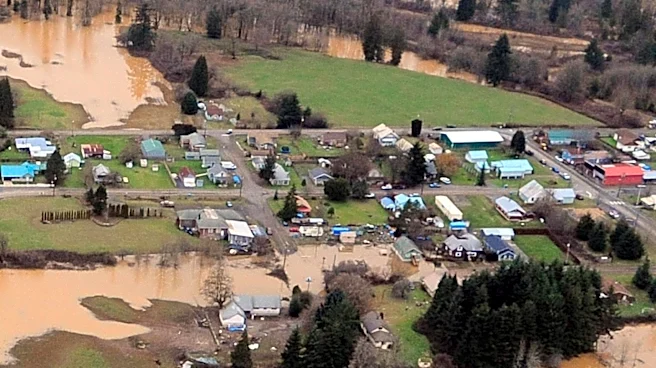
The Skagit watershed is experiencing a significant increase in flood risk, primarily driven by a combination of climate change factors. According to the Skagit Climate Science Consortium, these factors include declining snowpack, heavier precipitation,
rising sea levels, and increased sediment load. A comprehensive study on climate change and flooding for the Skagit River estimates that what is currently considered a 100-year flood at Mount Vernon could increase by an average of 49% by the 2080s. This means that a 100-year flood event could occur four to five times more often by the 2040s, effectively becoming a 20-to-25-year event. The study also highlights that warmer storm events, like those in 1921 and 1995, are primarily affected by increased precipitation intensity, while colder events, such as those in 1983, 1986, and 2006, are dramatically impacted by the shift from snow to rain, leading to significantly increased flows during flood events. Even with potential adjustments in dam operations, the 100-year event is still projected to increase by 42%, indicating that a substantial portion of floodwaters originates from areas not influenced by the dams.
Why It's Important?
The escalating flood risk in the Skagit watershed has profound implications for local communities, infrastructure, and the regional economy. Increased frequency and intensity of flooding can lead to significant property damage, displacement of residents, and disruptions to transportation and essential services. For agricultural sectors, which are vital to the region, more frequent floods can devastate crops and farmland, leading to economic losses. The need for enhanced emergency response and long-term flood mitigation strategies becomes critical, requiring substantial investment in infrastructure improvements like updated levee systems and improved drainage. Furthermore, the changing nature of flood events, with more rain and less snow, challenges existing flood management models and necessitates a re-evaluation of current planning and emergency protocols. The increased sediment load also impacts river ecosystems and navigation, potentially affecting industries reliant on the river. This situation underscores the broader national challenge of adapting to climate change impacts on water resources and natural hazards.
What's Next?
In response to the increasing flood risk, the Skagit watershed will likely see a greater emphasis on developing and implementing new flood models and updated emergency response plans. Local authorities and environmental agencies will need to collaborate on infrastructure projects designed to withstand more frequent and intense flood events, potentially including upgrades to existing dams and levee systems, as well as nature-based solutions for flood attenuation. There will be a continued need for scientific research to refine flood projections and understand the specific impacts of climate change on different types of storm events. Public awareness campaigns and community preparedness programs will also become more crucial to ensure residents are informed and ready for potential flooding. Policy discussions may arise regarding land use planning in flood-prone areas and funding mechanisms for climate adaptation initiatives. The ongoing monitoring of snowpack levels, precipitation patterns, and sea level rise will be essential for informing future strategies and adjustments to flood management practices.
Beyond the Headlines
The situation in the Skagit watershed reflects a broader national and global challenge where communities must confront the tangible effects of climate change. Beyond immediate infrastructure concerns, there are deeper ethical and social justice implications. Vulnerable populations, often residing in low-lying or less affluent areas, may bear a disproportionate burden of flood impacts, raising questions about equitable resource allocation for protection and recovery. The long-term shifts in precipitation patterns and snowmelt also highlight the interconnectedness of climate systems and local hydrology, emphasizing the need for integrated water resource management that considers both flood control and water supply for agriculture and human consumption. This scenario also prompts a re-evaluation of traditional engineering solutions versus more holistic, ecosystem-based approaches to flood management, such as wetland restoration and floodplain reconnection, which can offer co-benefits for biodiversity and water quality. The economic costs of inaction, including repeated disaster relief and rebuilding efforts, will likely far outweigh the proactive investments in climate resilience, making this a critical case study for sustainable development in a changing climate.