







What's Happening?
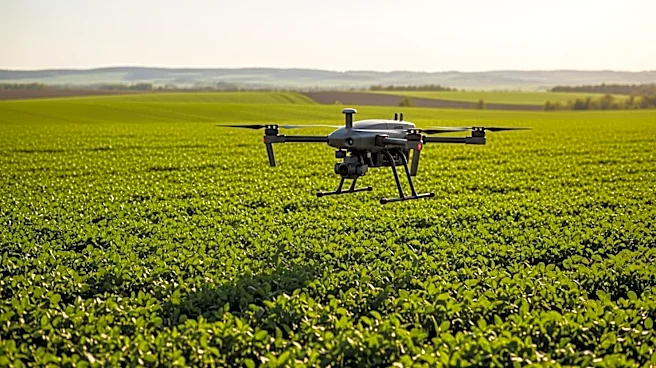
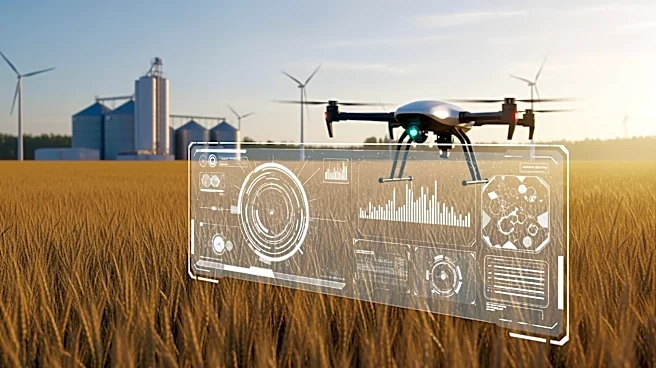
India is advancing towards a goal of universal insurance coverage in agriculture and allied sectors by 2047, leveraging technology to manage climate risks. The initiative involves using digital and space infrastructure, such as satellite missions, drones,
and IoT sensors, to provide real-time data and automate underwriting processes. This approach aims to protect farmers, herders, and rural entrepreneurs from natural calamities and climate volatility, enhancing stability and sustainable growth in rural areas. The integration of technology in insurance is expected to transform risk management into a scalable and resilient system.
Why It's Important?
The integration of technology in agriculture insurance is crucial for managing the increasing climate risks that threaten the livelihoods of millions in India. By providing a scalable and efficient risk management system, this initiative not only protects against losses but also fosters innovation and sustainable growth in rural areas. The success of this model could serve as a blueprint for other developing countries facing similar challenges, potentially leading to widespread adoption of technology-driven insurance solutions globally.
What's Next?
As India progresses towards its 2047 goal, the focus will be on scaling up successful pilot projects and integrating them into a cohesive national strategy. This will involve collaboration between government agencies, technology providers, and insurance companies to ensure the seamless implementation of technology-driven insurance solutions. The initiative's success will depend on building public confidence and institutional experience, paving the way for India to lead in mainstreaming parametric risk transfer.
Beyond the Headlines
The shift towards technology-driven insurance in agriculture highlights the broader trend of digital transformation in traditional sectors. This development raises important questions about data privacy, the role of technology in decision-making, and the potential for technology to disrupt existing insurance models. As these issues are addressed, the initiative could lead to significant changes in how risk is managed in agriculture, with implications for policy, regulation, and industry practices.