
What's Happening?
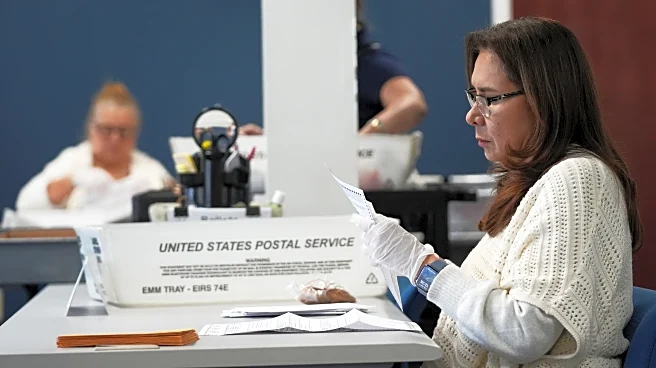
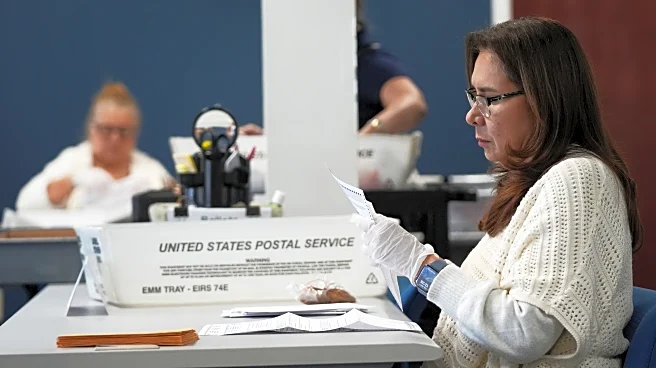
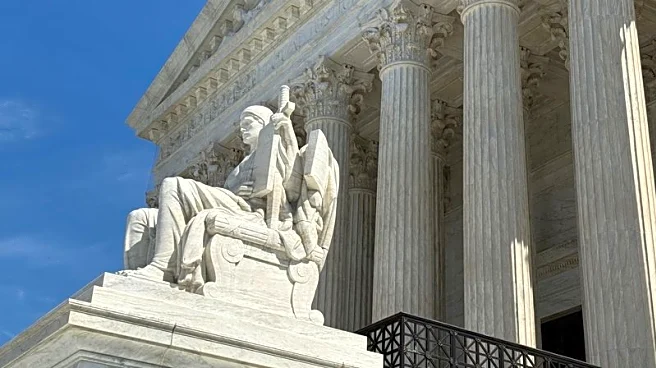
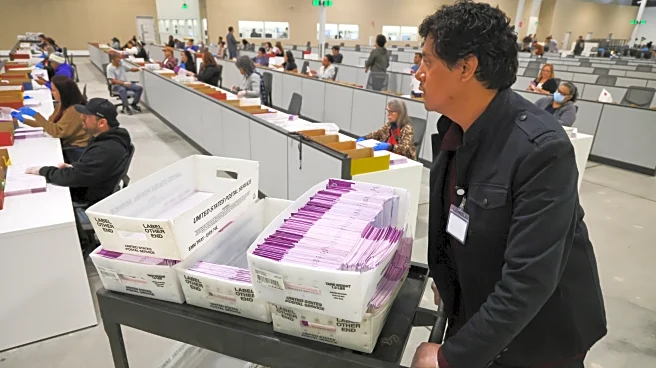
The Supreme Court is reviewing a case concerning Mississippi's law that permits counting mail-in ballots received after Election Day, provided they are postmarked by that day. The case, initiated by the Republican National Committee, challenges the legality
of such grace periods, which are also present in 14 other states and Washington D.C. The court's conservative majority seems poised to rule against these provisions, potentially affecting the upcoming midterm elections. The decision could reshape how mail-in ballots are handled, impacting voter turnout and election outcomes in states with similar laws.
Why It's Important?
This case is pivotal as it addresses the broader issue of election integrity and the balance between preventing fraud and ensuring voter access. A ruling against the grace periods could lead to significant changes in how elections are conducted, particularly in states that have relied on these provisions to accommodate voters. The decision could also influence public confidence in the electoral process, as changes to mail-in voting rules might be perceived as disenfranchising certain voter groups. The case underscores ongoing tensions between state and federal election laws and the role of the judiciary in shaping electoral policy.
What's Next?
The Supreme Court is expected to deliver its decision by June or July, just months before the November midterms. If the court rules against the grace periods, states will need to rapidly adjust their election procedures and inform voters of the new rules. This could lead to logistical challenges and potential voter confusion. The ruling may also prompt further legal and legislative actions as states seek to comply with the court's decision while maintaining voter access.