

What's Happening?
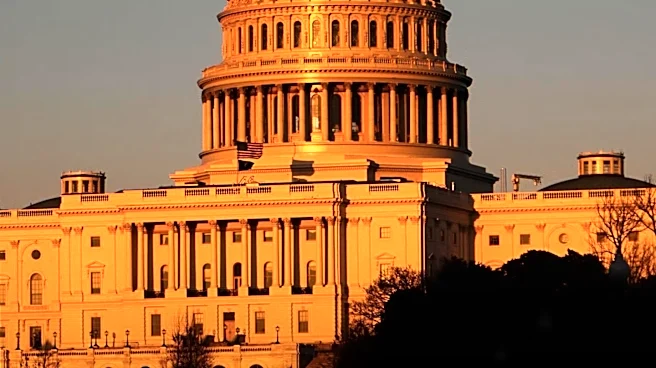
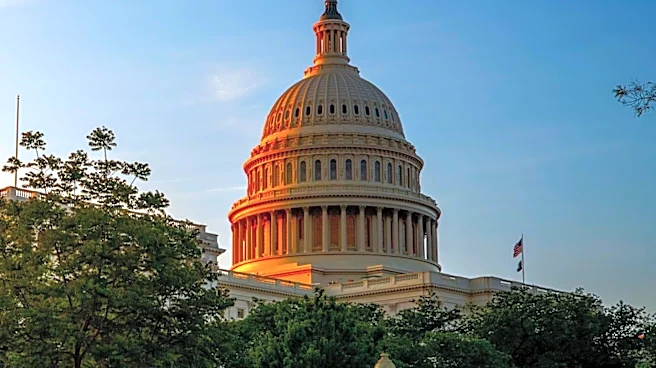
Reps. Bruce Westerman (R-AR) and Marie Gluesenkamp Perez (D-WA) have introduced the Veterans Owner-Builders’ Rights Act, a bipartisan bill aimed at expanding VA home loan access for rural veterans. The proposed legislation seeks to establish a five-year
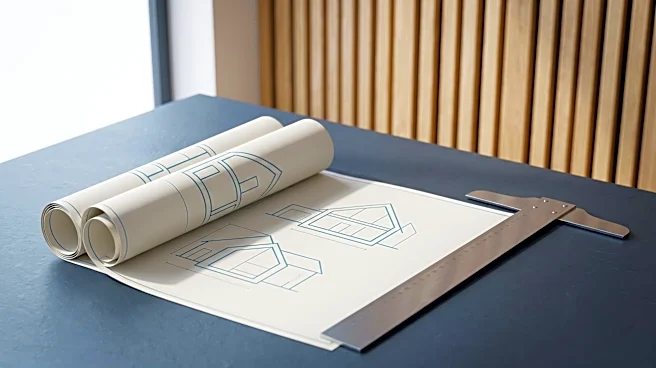
pilot program under the Department of Veterans Affairs (VA) that would provide direct housing loans to veterans in rural areas for the construction of new homes. This initiative is designed to allow veterans with relevant skills to utilize their VA home loan benefits to build their own residences, addressing a current limitation where only about 30% of veterans use these loans. The bill also includes provisions for providing blueprints with American wood sourcing requirements, streamlining the permitting process by requiring permits within 45 days and covering associated fees, and offering technical assistance for construction and permit applications. Additionally, it includes a safeguard against home-flipping by requiring veterans to reside in the home for at least two years or face accelerated loan repayment.
Why It's Important?
This legislation is significant for several reasons, particularly in addressing the ongoing shortage of starter homes across the U.S., especially in rural communities where housing demand often outpaces construction. By enabling veterans to build their own homes, the bill creates a new pathway to homeownership, leveraging the skills many veterans already possess. This not only empowers veterans to build wealth and establish community ties but also contributes to increasing the overall housing supply. The focus on domestic wood sourcing within the bill could bolster the American timber industry and support rural economies. Furthermore, by streamlining permitting and providing technical assistance, the act aims to remove common barriers that prevent veterans from utilizing their earned benefits for self-built housing. This could lead to greater financial independence for veterans and stimulate local construction sectors.
What's Next?
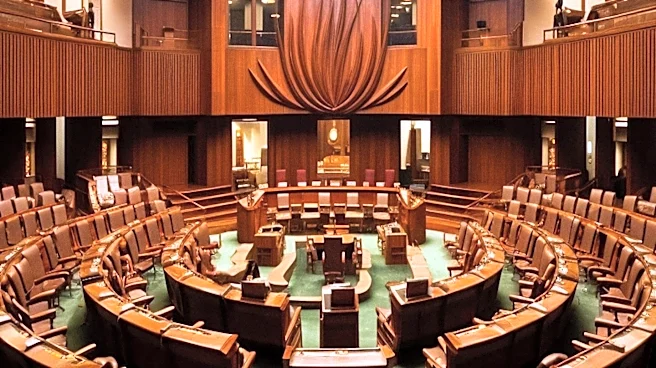
The Veterans Owner-Builders’ Rights Act will now proceed through the legislative process in Congress. Its bipartisan introduction by Reps. Westerman and Gluesenkamp Perez suggests potential for broader support, though its passage will depend on committee reviews, debates, and votes in both the House and Senate. If enacted, the Department of Veterans Affairs would be tasked with establishing and implementing the five-year pilot program, including developing the direct home loan framework, technical assistance programs, and ensuring compliance with domestic sourcing and anti-flipping provisions. Veterans in rural areas, as well as the construction and timber industries, will be closely watching its progress, as successful implementation could lead to a new model for veteran homeownership and rural development.
Beyond the Headlines
Beyond its immediate impact on veteran homeownership and housing supply, this bill touches upon deeper societal and economic implications. It highlights a recognition of the untapped potential within the veteran community, particularly their trade skills, which are often underutilized in civilian life. By facilitating self-built homes, the legislation could foster a sense of empowerment and self-reliance among veterans, contributing to their post-service integration and well-being. Ethically, it addresses a perceived gap in VA benefits, ensuring that those who served have more flexible and practical options for housing. Economically, it could decentralize construction efforts, potentially leading to more localized economic growth in rural areas and reducing reliance on large-scale developers. The emphasis on domestic wood sourcing also aligns with broader national interests in supporting local industries and supply chain resilience.