




What's Happening?
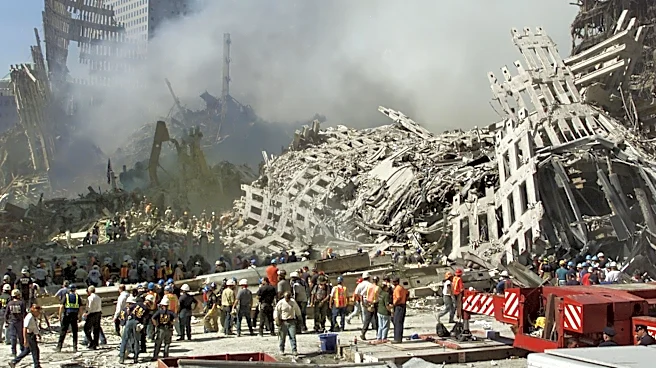
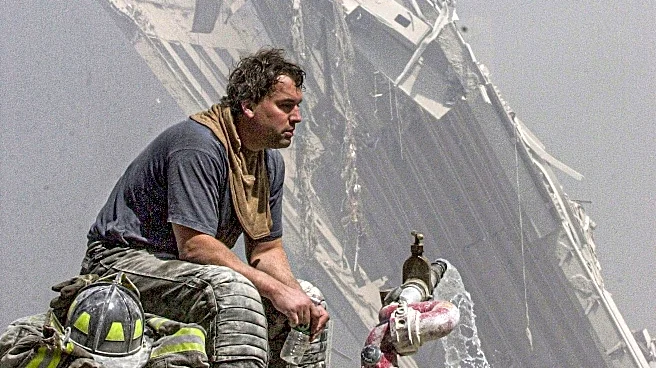
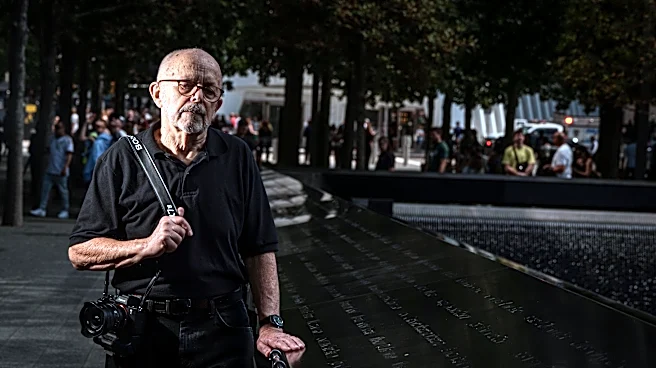
As the 25th anniversary of the September 11th attacks approaches, health experts are issuing warnings about a continued rise in cancer cases linked to exposure to toxic dust at Ground Zero. Frank Kotnik, a retired New York City Department of Transportation
employee who worked extensively in the aftermath, was diagnosed with bladder cancer over two decades later. Similarly, Felicia Ivey-Toure, a mental health counselor who worked near Ground Zero, was diagnosed with thyroid cancer years after the event. Northwell Health's World Trade Center Cancer Program has recorded 811 new cancer cases in the past 42 months, marking a 75% increase from three years prior. The World Trade Center Health Program currently enrolls 145,000 patients, with over 57,000 having battled cancer, primarily prostate, skin, breast, and urinary tract cancers.
Why It's Important?
The ongoing increase in 9/11-linked cancer cases underscores the profound and long-lasting health consequences for first responders, recovery workers, and residents exposed to the toxic environment at Ground Zero. This trend highlights the critical need for sustained medical monitoring and support for those affected, many of whom are only now experiencing the onset of severe illnesses decades after exposure. The significant rise in new diagnoses places a continuous burden on healthcare systems and specialized programs like the World Trade Center Health Program. It also serves as a stark reminder of the long-term public health implications of environmental disasters and the importance of comprehensive, extended care for affected populations, influencing policy decisions regarding disaster response and long-term health provisions.
What's Next?
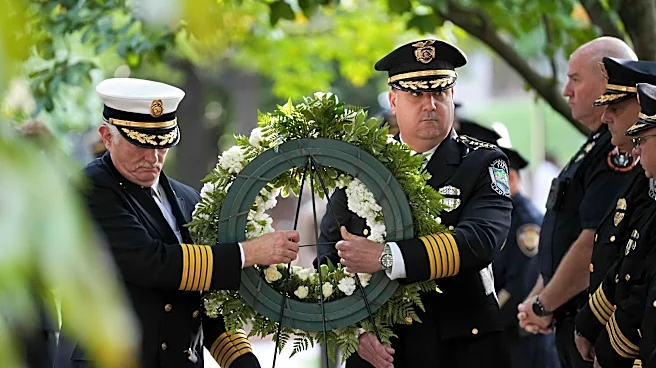
Health experts are urging individuals with potential exposure histories to remain vigilant about their health and prioritize ongoing screenings and monitoring. Dr. Craig Devoe of the Northwell Cancer Institute emphasized the importance of regular screening and reporting persistent new symptoms. The World Trade Center Health Program will continue to provide care and monitor the health of its enrolled patients, anticipating that the risk of cancer may continue to rise in the years ahead. The approaching 25th anniversary will likely bring renewed attention to the health crisis, potentially leading to further advocacy for funding, research, and support services for the affected community. The focus will remain on early detection and comprehensive treatment to manage the long-term health impacts.
Beyond the Headlines
The enduring health crisis stemming from the 9/11 attacks raises significant ethical and legal questions regarding governmental responsibility for long-term care and compensation for those affected by environmental toxins. The delayed onset of many cancers highlights the challenges in establishing direct causation and ensuring adequate support for victims decades after an event. This situation also underscores the broader societal responsibility to protect individuals involved in disaster response and recovery, and to provide comprehensive health monitoring for populations exposed to hazardous environments. The ongoing struggle of 9/11 survivors and responders serves as a powerful case study for future disaster preparedness and public health policy, emphasizing the need for proactive, long-term health surveillance and robust support systems for those who sacrifice their health in service.