




What's Happening?
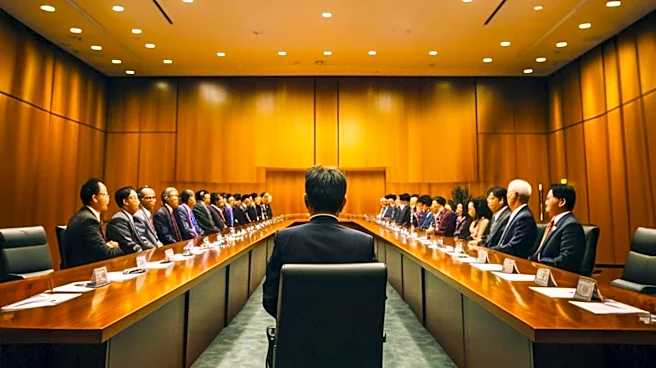
Prime Minister Brigadier (Ret’d) Mark Phillips of Guyana has called for urgent and deeper partnerships among governments in Latin America and the Caribbean for long-term energy planning. Speaking at the 11th Latin American and Caribbean Energy Organization
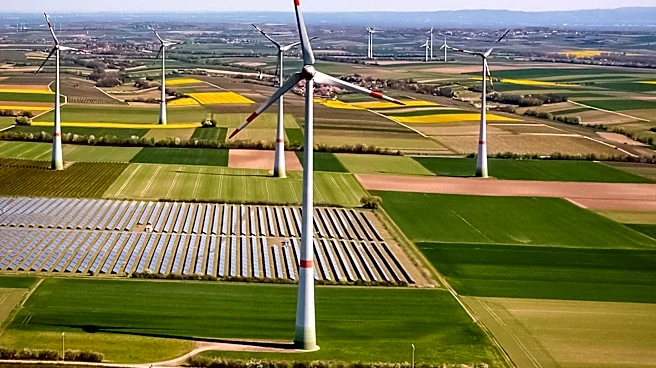
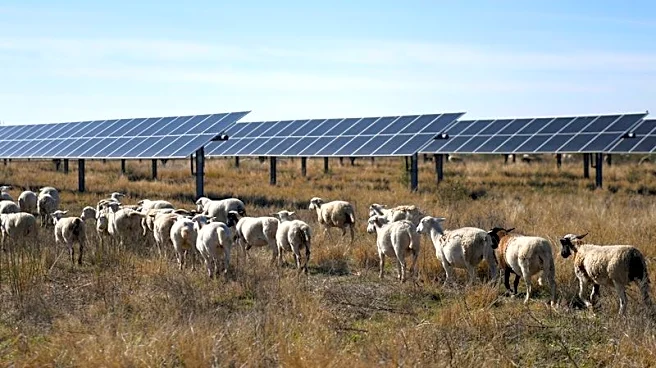
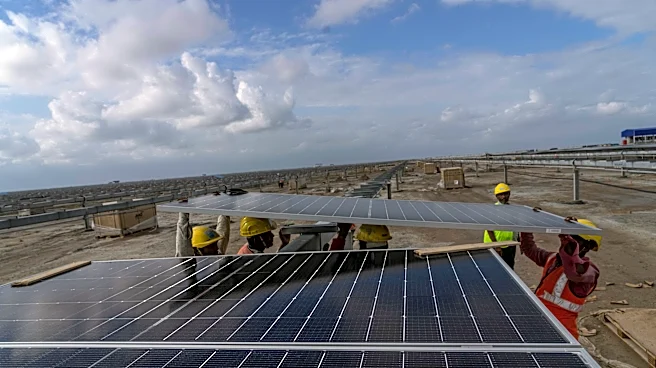
(OLADE) Energy Week in Santo Domingo, Prime Minister Phillips emphasized the critical need to engineer power grids capable of withstanding surging consumer demand, climate vulnerabilities, and rapid technological shifts. He highlighted that accelerated industrial activity, urbanization, and digital transformation will place unprecedented strain on regional power infrastructure in the coming decades. Phillips urged regional energy ministers to move beyond short-term generation shortages and focus on designing robust, low-carbon systems for the next 20 to 50 years. He stressed that the energy system of the future must be more diversified, resilient, efficient, digital, and increasingly low-carbon. Phillips also showcased Guyana's domestic achievements under its Low Carbon Development Strategy (LCDS 2030), including a G$37.717 billion investment in renewable energy projects between 2020 and 2026, which led to a 623% surge in national installed renewable energy capacity.
Why It's Important?
This call for enhanced regional energy collaboration is significant for the U.S. due to its implications for regional stability, economic development, and climate change mitigation. A modernized and resilient energy grid in Latin America and the Caribbean can reduce energy dependency, foster economic growth, and create a more stable geopolitical environment, which directly benefits U.S. interests. The emphasis on low-carbon systems aligns with global climate goals, potentially reducing overall carbon emissions that contribute to climate change, an issue of increasing concern for the U.S. Furthermore, the substantial investments required for grid modernization and renewable energy projects could open avenues for U.S. companies in technology, infrastructure, and finance. Conversely, a failure to address these energy challenges could lead to increased energy insecurity, economic stagnation, and potential social unrest in the region, which could have spillover effects on the U.S., including increased migration pressures and humanitarian concerns.
What's Next?
Prime Minister Phillips reaffirmed Guyana’s commitment to multilateral integration through OLADE, advocating for innovative financing mechanisms from multilateral lenders to support tailored solutions for Caribbean small island developing states (SIDS) and low-lying coastal territories. He also called for investments in climate-hardened power infrastructure and feasibility studies for cross-border electrical interconnections to share reserve margins. The immediate next steps involve regional energy ministers and governments engaging in deeper discussions and planning to implement these long-term strategies. This includes developing concrete projects for grid modernization, expanding renewable energy capacity, and securing the necessary financing. The focus will be on harmonizing economic growth and industrialization with environmental stewardship and equitable social development across the region. The success of these efforts will likely depend on sustained political will and effective coordination among diverse national interests.
Beyond the Headlines
The push for long-term, collaborative energy planning in Latin America and the Caribbean highlights a critical shift from reactive energy management to proactive, strategic foresight. This approach acknowledges the interconnectedness of energy security, climate resilience, and economic prosperity. The call for innovative financing mechanisms also points to the evolving landscape of development aid and investment, where traditional models are being supplemented by more tailored and risk-sharing approaches. Ethically, this regional collaboration can ensure that smaller, more vulnerable nations are not left behind in the global energy transition, promoting energy equity. The integration of diverse energy sources and the development of smart grids also represent a technological leap that could position the region as a leader in sustainable energy practices, offering valuable lessons for other developing regions facing similar challenges.